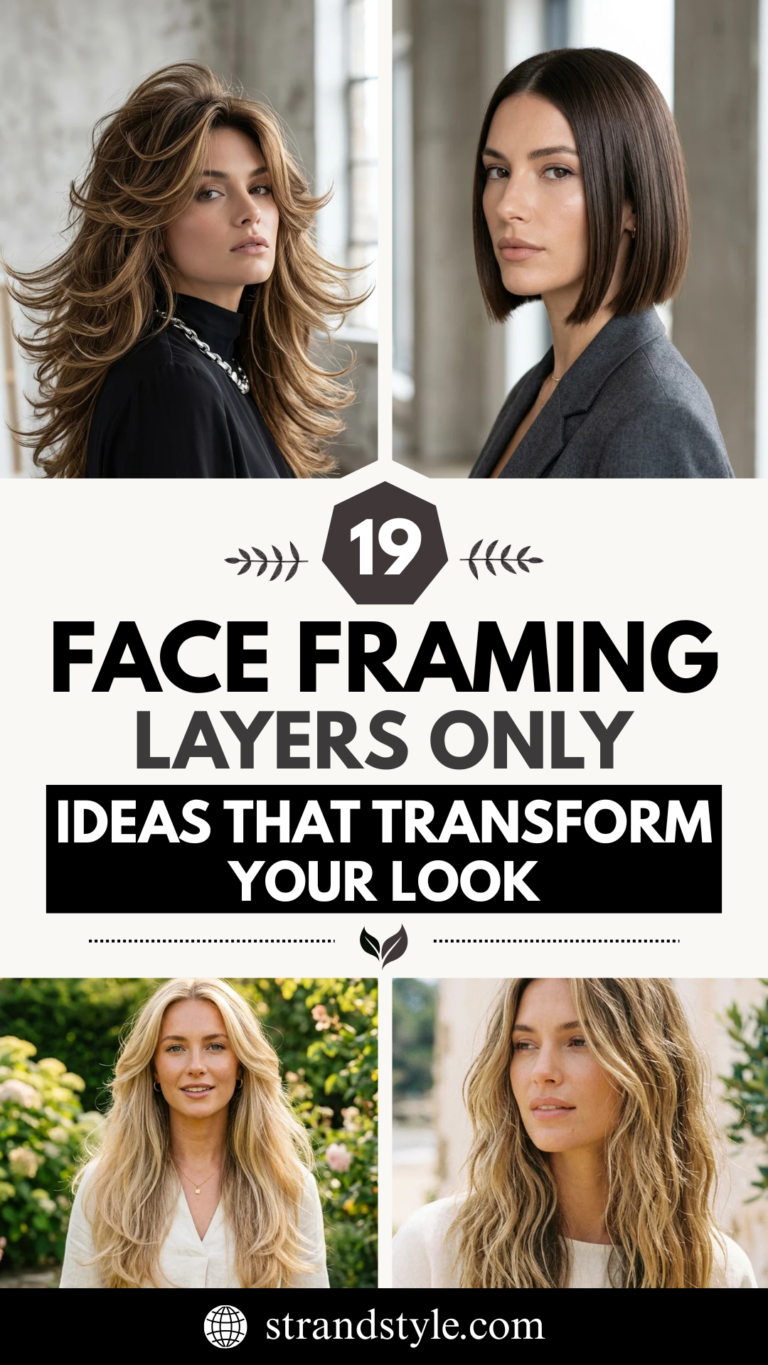
Changing your hairstyle doesn’t always require a dramatic chop or a complete overhaul of your length. Sometimes, the most transformative changes are the most strategic ones. Face-framing layers—often called “the facelift of haircuts”—are designed to accentuate your best features, soften your jawline, and bring light to your eyes without sacrificing the hair you’ve spent years growing out.
Whether you have pin-straight tresses or bouncy curls, these layers act as a custom-tailored frame for your face. Here are 19 face-framing layer ideas that will completely refresh your aesthetic.
1. Ghost Layers
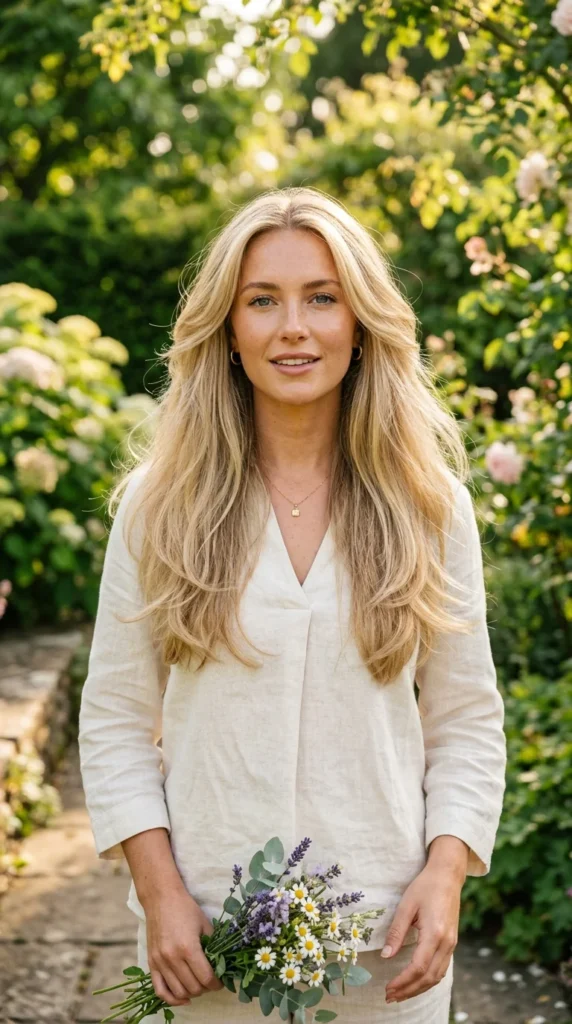
Ghost layers are the ultimate “secret” haircut. This technique involves cutting shorter pieces underneath the top layer of hair. These layers are only visible when you move, providing a subtle lift and a soft frame around the eyes. It’s perfect for someone who wants to keep their hair looking one-length while reaping the benefits of added volume and facial contouring.
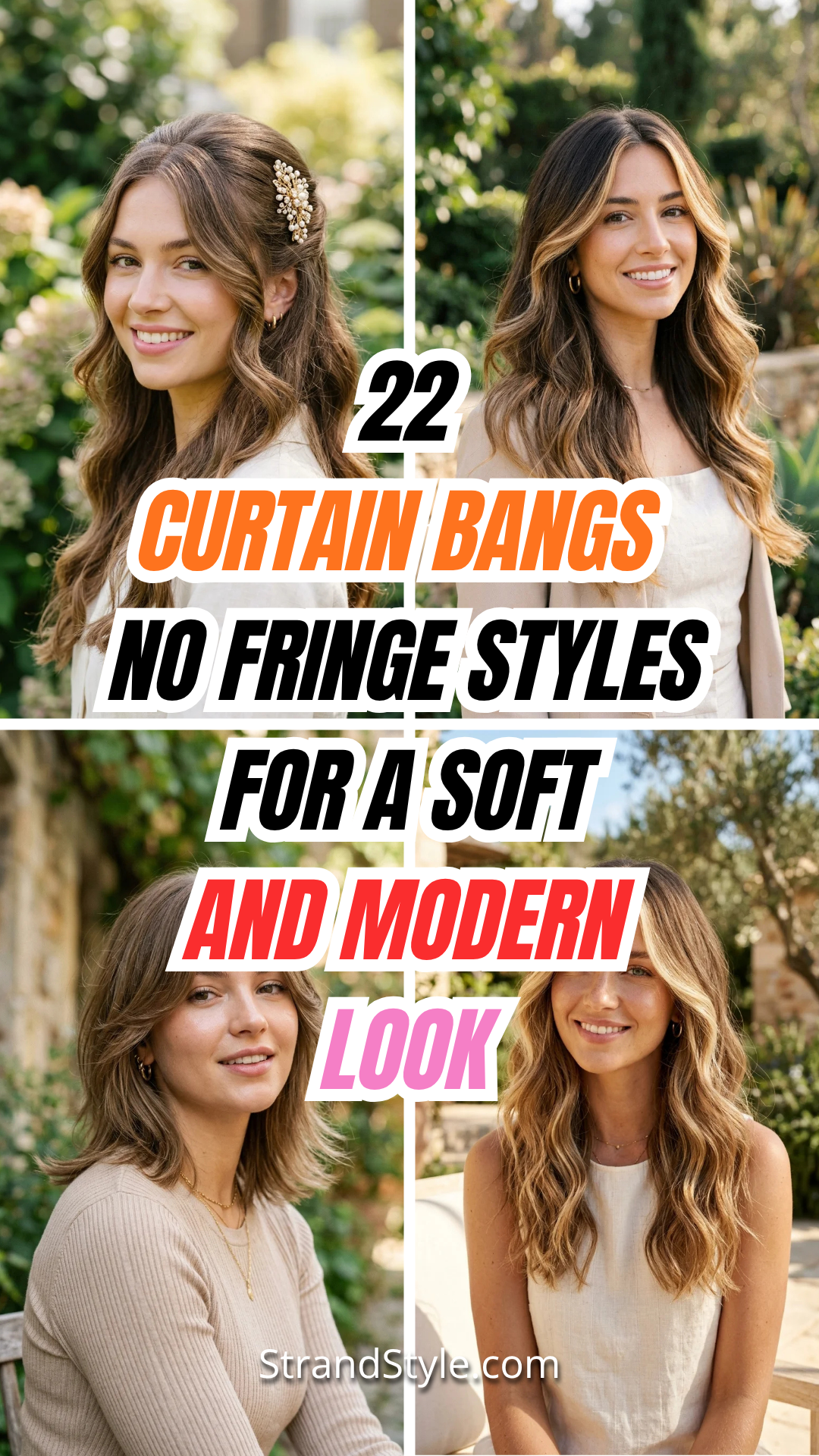
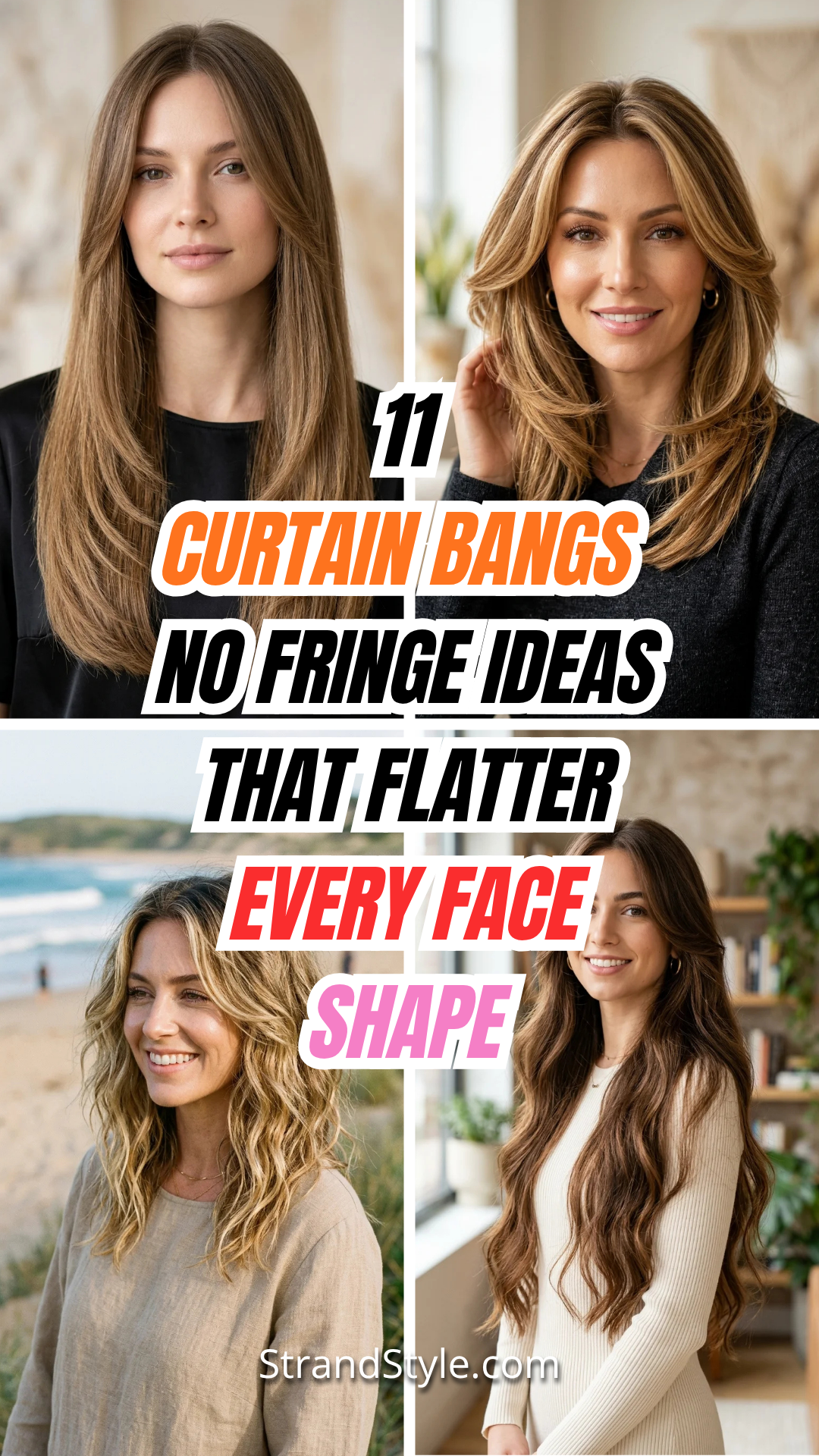
2. Curtain Bangs
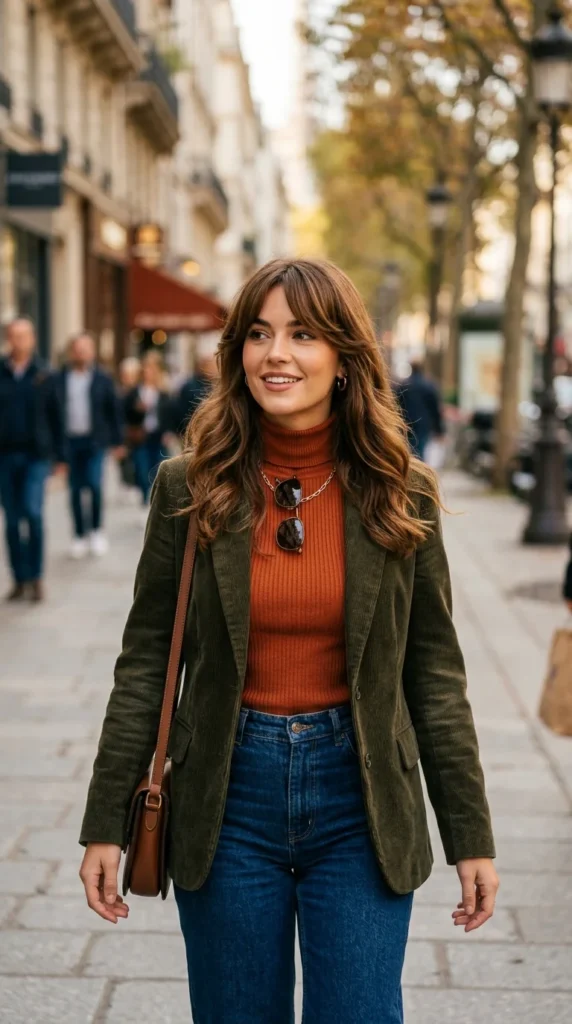
The gold standard of face-framing, curtain bangs are incredibly versatile. By parting the fringe down the middle and tapering the ends toward the ears, you create an “X” shape that draws attention directly to your eyes and cheekbones. They grow out beautifully and require minimal maintenance compared to blunt bangs.
3. Butterfly Cut
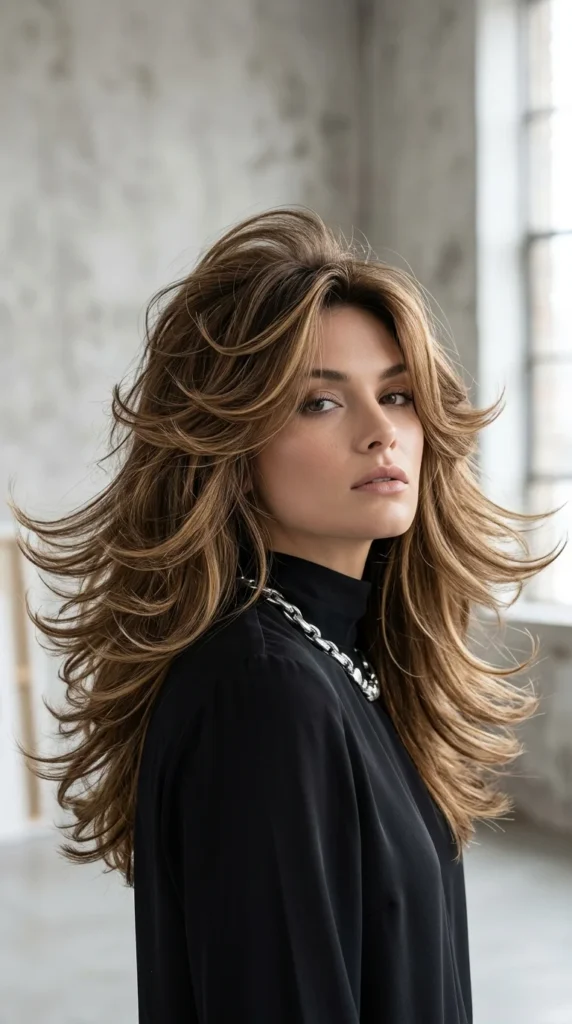
The butterfly cut is all about maximum volume and drama. By combining short, face-framing layers that hit around the chin with longer layers throughout the rest of the hair, you get the illusion of a shorter style from the front while maintaining your length in the back. It’s a multi-dimensional look that breathes life into flat hair.
4. Chin-Length Taper
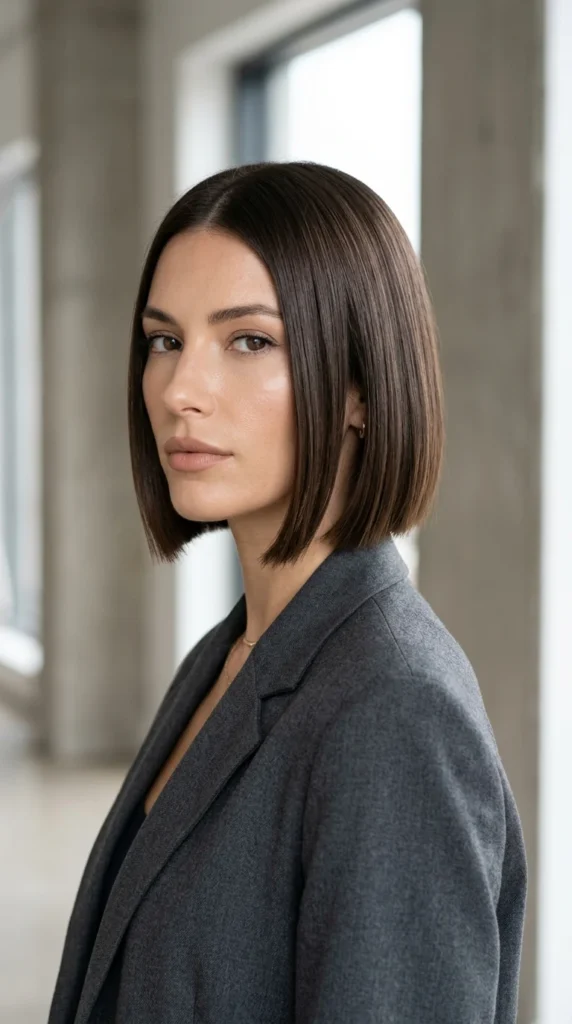
If you have a heart or oval-shaped face, a chin-length taper is a game-changer. These layers start exactly at the chin, helping to ground the face and provide a structured “corner” to your look. It’s a chic, polished way to add intentionality to long hair.
5. The ‘Rachel’
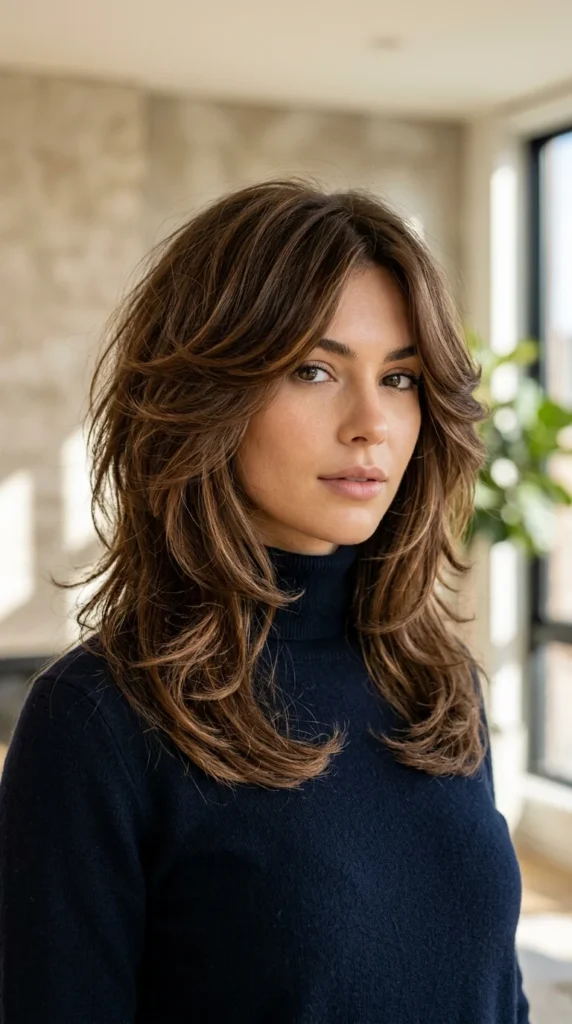
Inspired by the 90s, this look features heavy, choppy layers that curve inward toward the face. It’s designed to “hug” your features. Modern versions use softer blending techniques, but the goal remains the same: to create a bouncy, voluminous frame that makes your face pop.
6. Feathered Ends
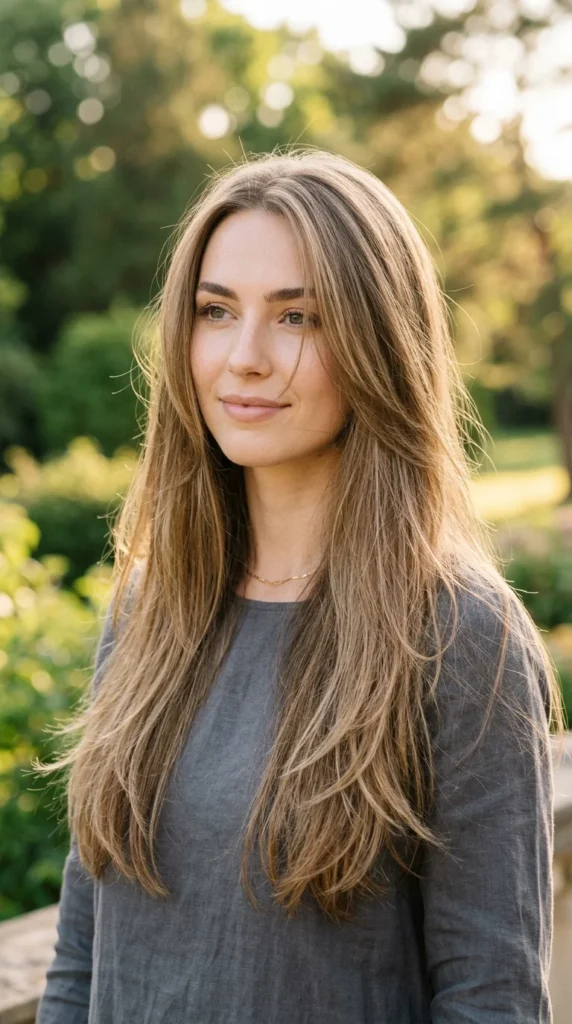
For those who prefer a soft, ethereal vibe, feathered layers are the way to go. Instead of blunt cuts, the stylist uses shears to create “wispy” ends that flick outward or inward. This technique lightens the hair around the face, making it feel airy and romantic rather than heavy and blocky.
7. Tapered Bob
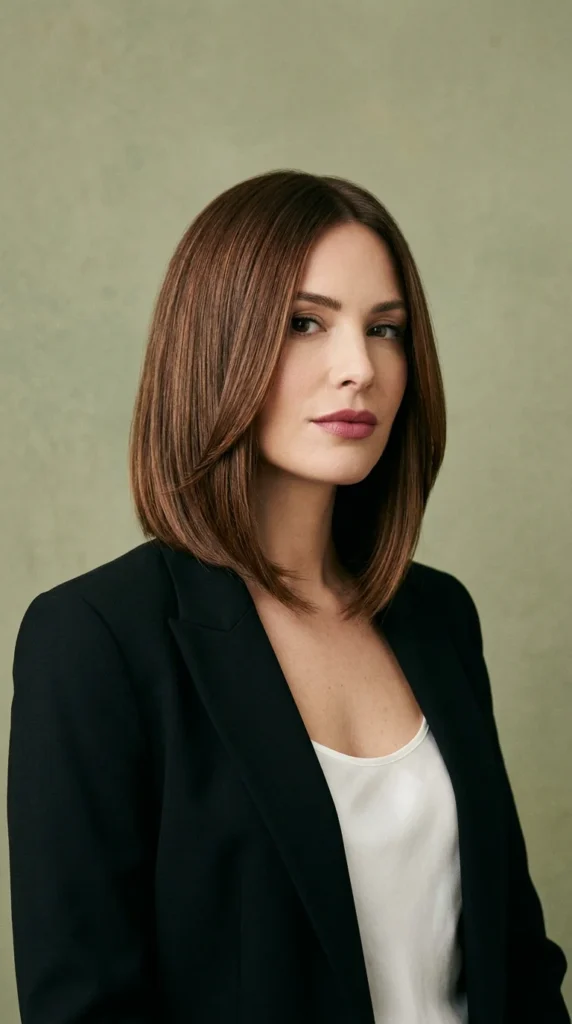
Even shorter hair benefits from face-framing. A tapered bob focuses the shortest layers near the nape of the neck and allows longer, textured pieces to fall forward. These “front-heavy” layers frame the jawline and give the bob a contemporary, edgy feel.
8. Wispy Fringe
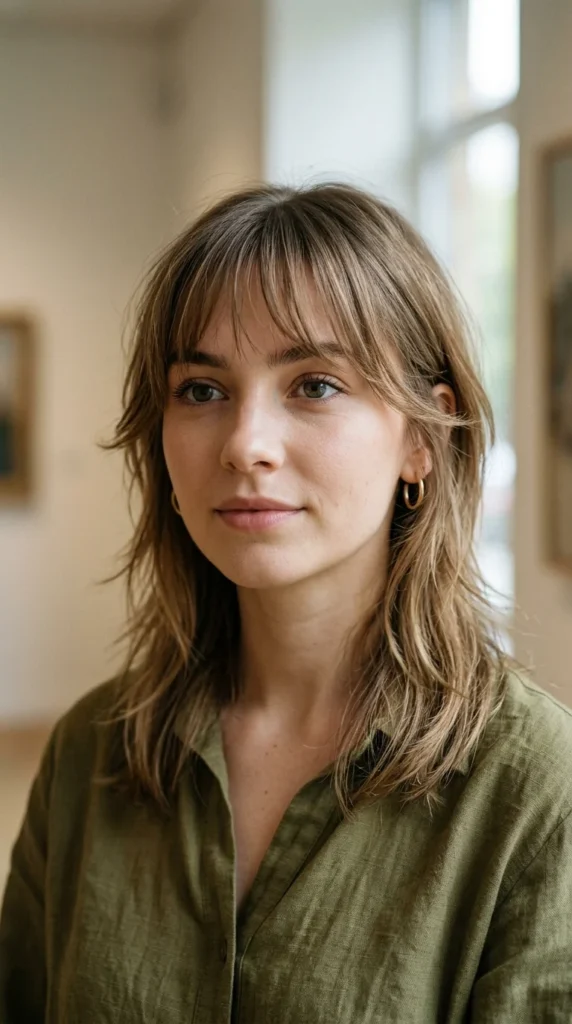
A wispy fringe is less about the weight of the hair and more about the light. These thin layers allow your forehead to peek through while the longer side pieces blend into your length. It’s a fantastic way to soften a high forehead and add a touch of whimsy to your style.
9. C-Cut Layers
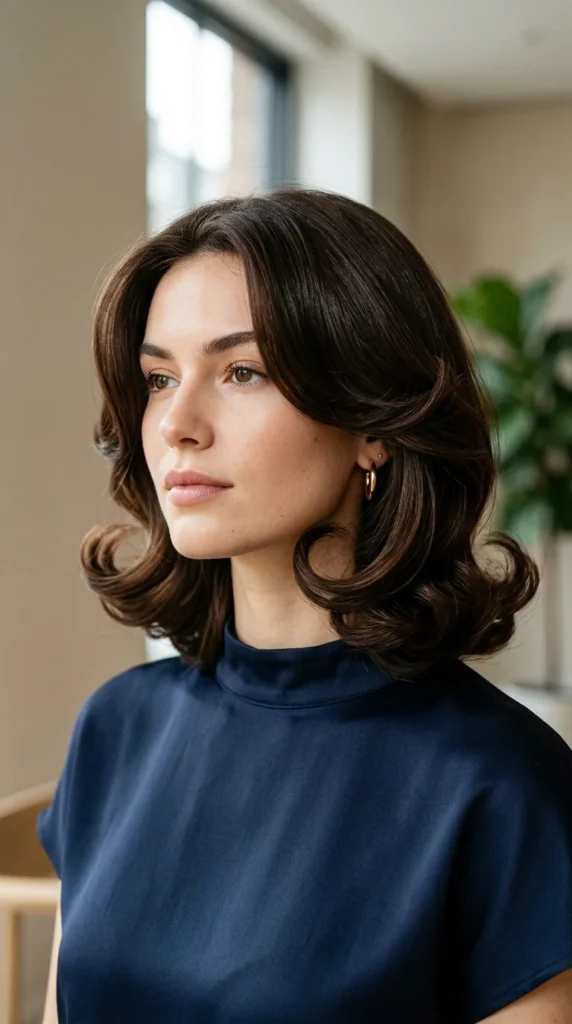
The C-cut is characterized by layers that curve inward toward the face, mimicking the shape of the letter C. This style is incredibly flattering for square or rectangular face shapes, as the rounded layers help to soften sharp angles and create a more balanced, oval appearance.
10. Graduated Layers
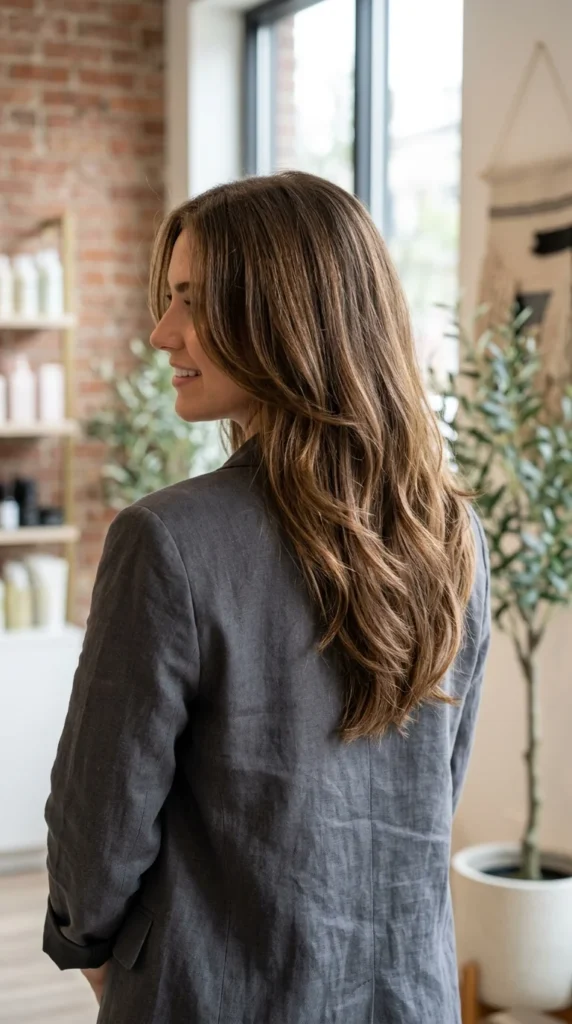
Graduated layers offer a symmetrical and organized look. The layers start slightly below the chin and get progressively longer as they move toward the back. This provides a “staircase” effect that adds movement and prevents the hair from looking “triangular” at the bottom.
11. Asymmetrical Frame
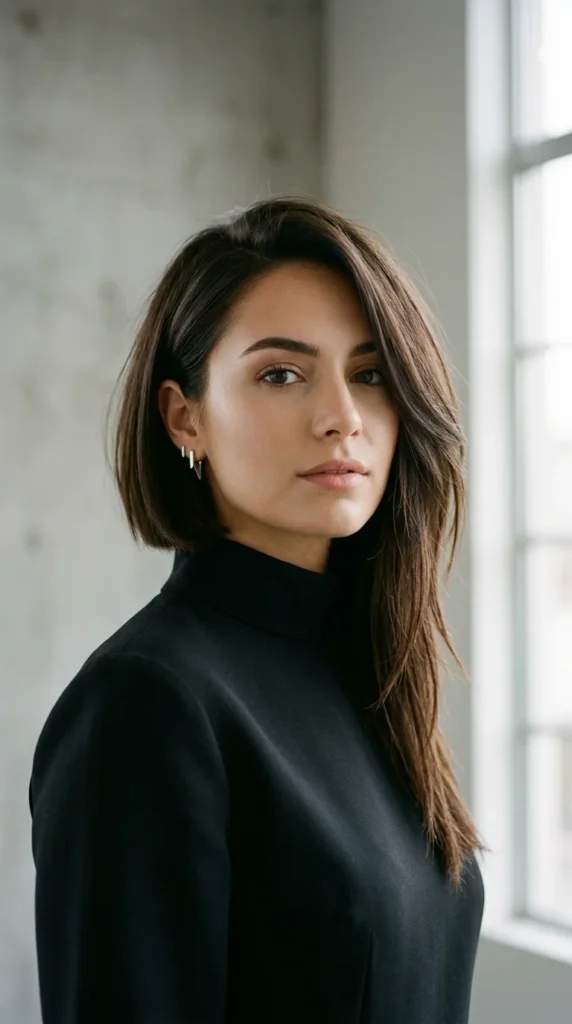
For the bold at heart, an asymmetrical frame breaks all the rules of symmetry. One side may feature layers that hit the cheekbone, while the other side cascades down to the collarbone. It’s a high-fashion look that adds an immediate sense of “cool” to any outfit.
12. Blunt Perimeter
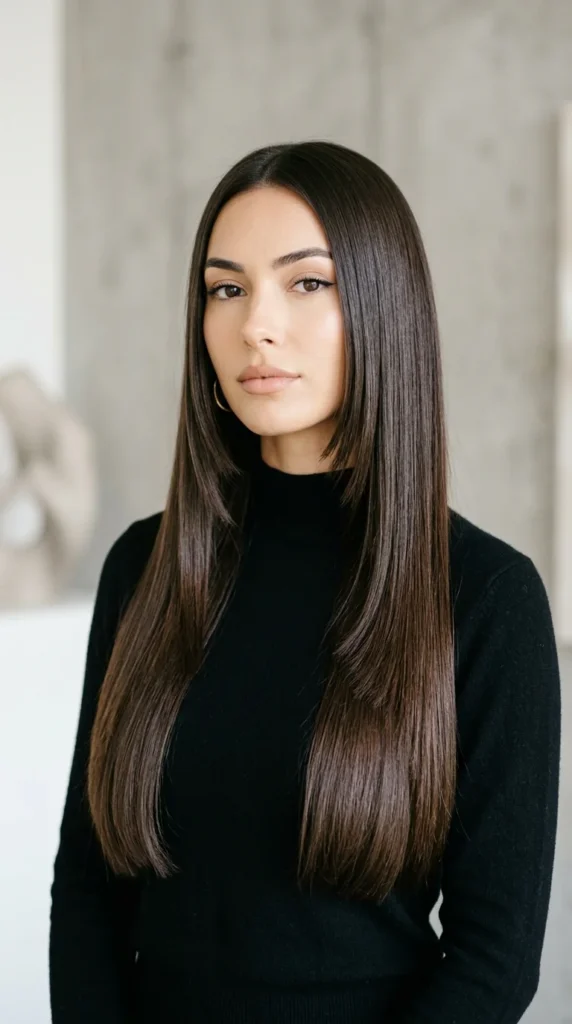
While most layers are textured, blunt face-framing layers provide a sharp, high-contrast look. By cutting a straight line across the front sections (usually around the jaw or collarbone), you create a striking frame that acts like a spotlight for your facial features.
13. Bohemian Waves
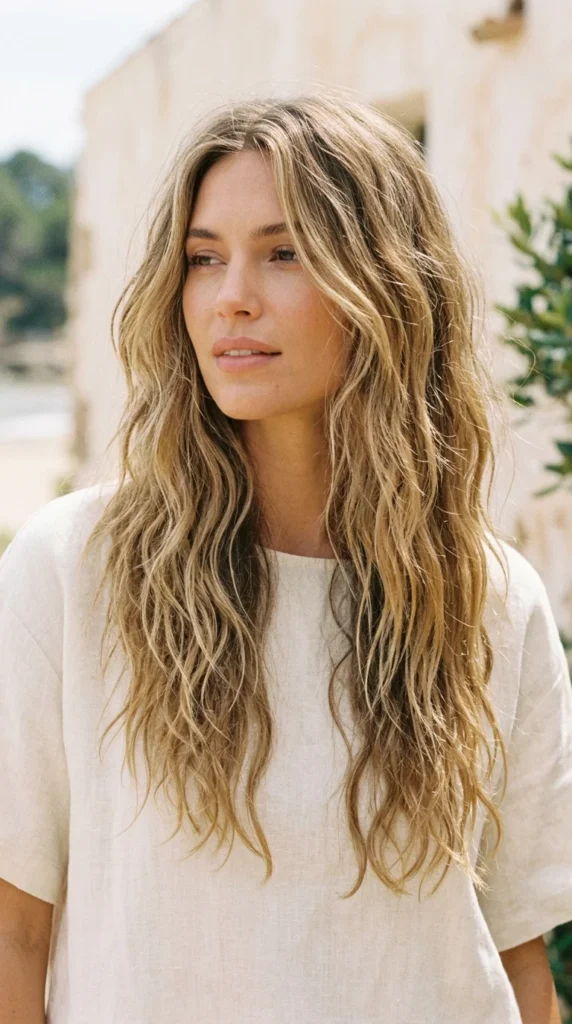
The boho look is all about “undone” elegance. The layers here are longer and start around the shoulders, designed to blend with natural waves. This style is perfect for those who want a low-maintenance look that thrives on texture and sea-salt spray.
14. Sharp Pixie
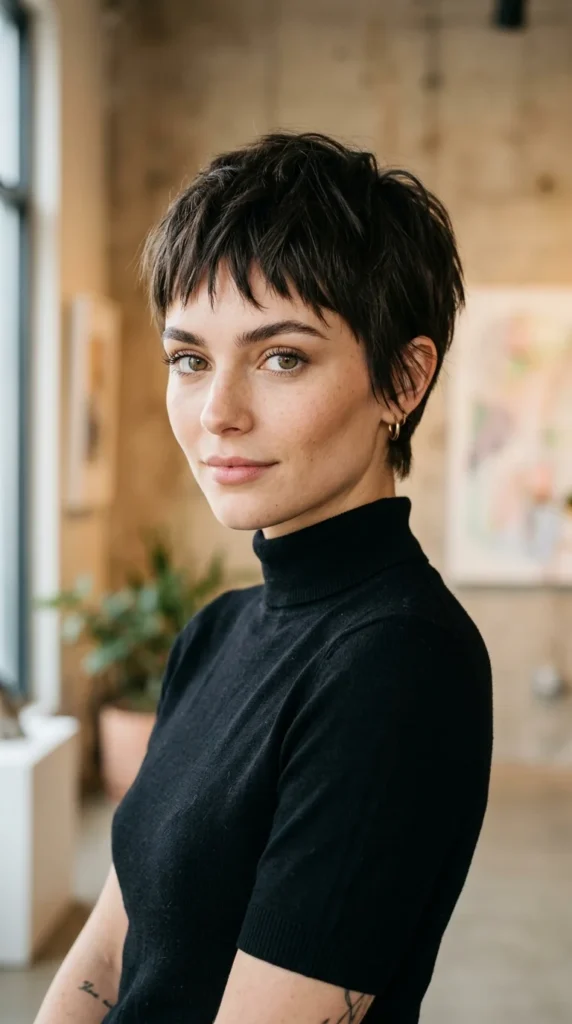
Face-framing isn’t just for long hair. In a pixie cut, the “frame” consists of micro-layers around the ears and the hairline. By tapering these sections, you can emphasize the height of your cheekbones and the delicate curve of your neck.
15. Middle Part Symmetry
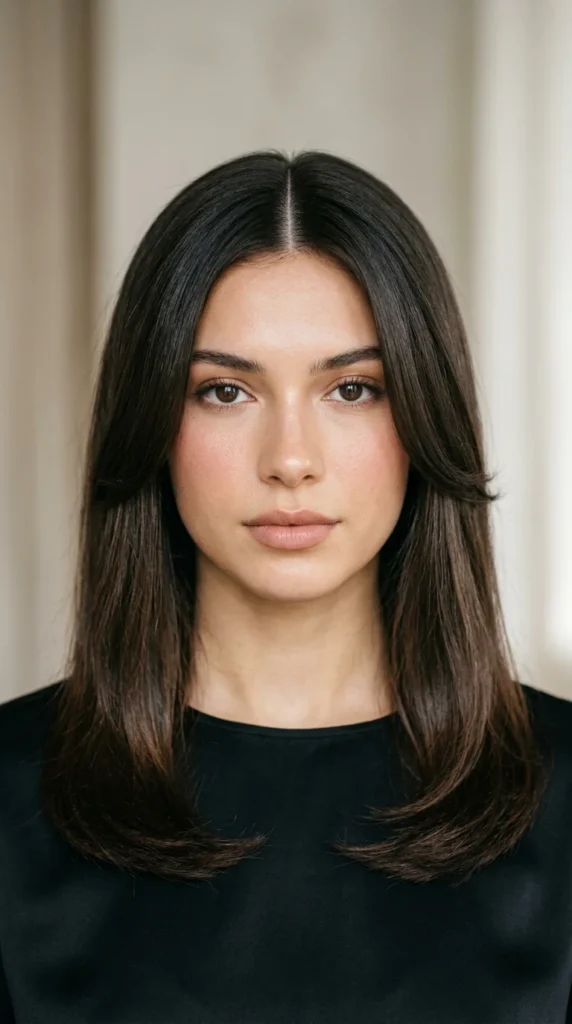
A middle part with symmetrical layers is the ultimate way to achieve a “snatched” look. When the layers hit at the same point on both sides—usually the cheekbone or jaw—they create a slimming effect and draw the eye upward, providing a natural lifting effect.
16. Side Swept Layers
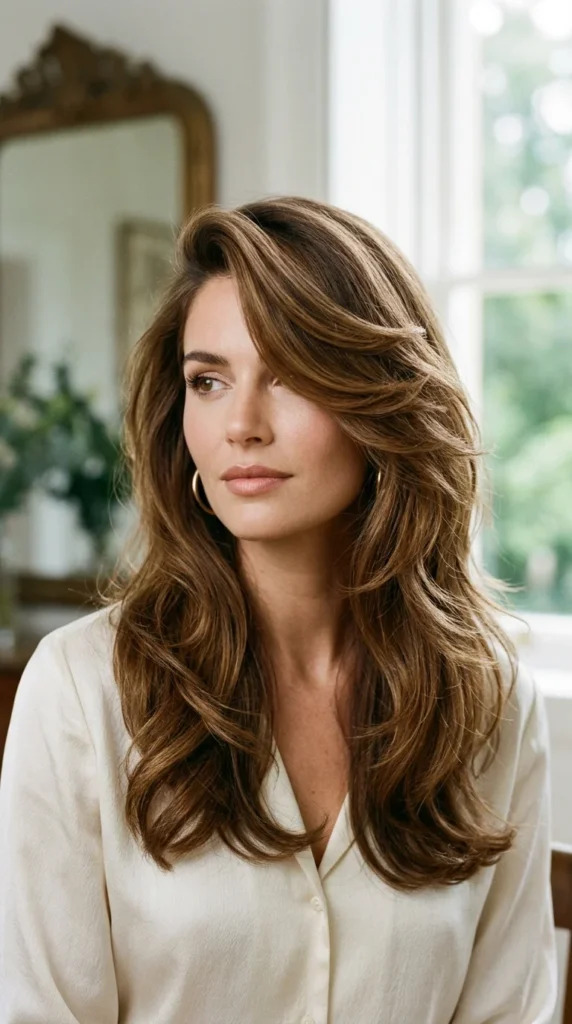
Deep side parts are making a comeback, and they work perfectly with face-framing layers. The layers are cut to sweep across the forehead, acting almost like a long, side-swept bang. This adds volume to the crown and creates a mysterious, glamorous silhouette.
17. Internal Thinning
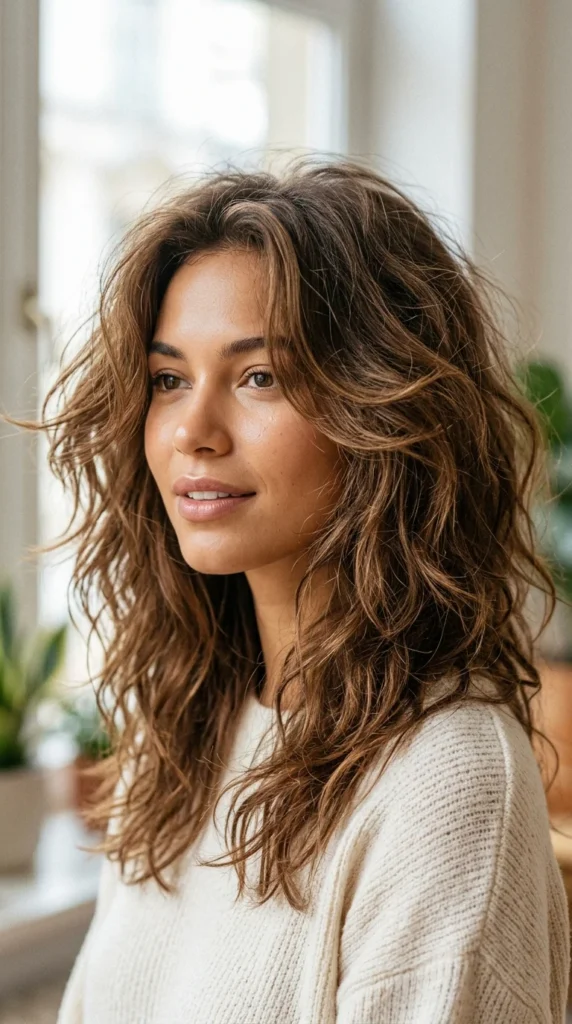
If you have very thick hair, face-framing layers can serve a functional purpose. Internal thinning involves removing bulk from the sections closest to your face. This allows the hair to lay flatter and follow the contours of your face more closely, rather than poofing outward.
18. Curly Framing
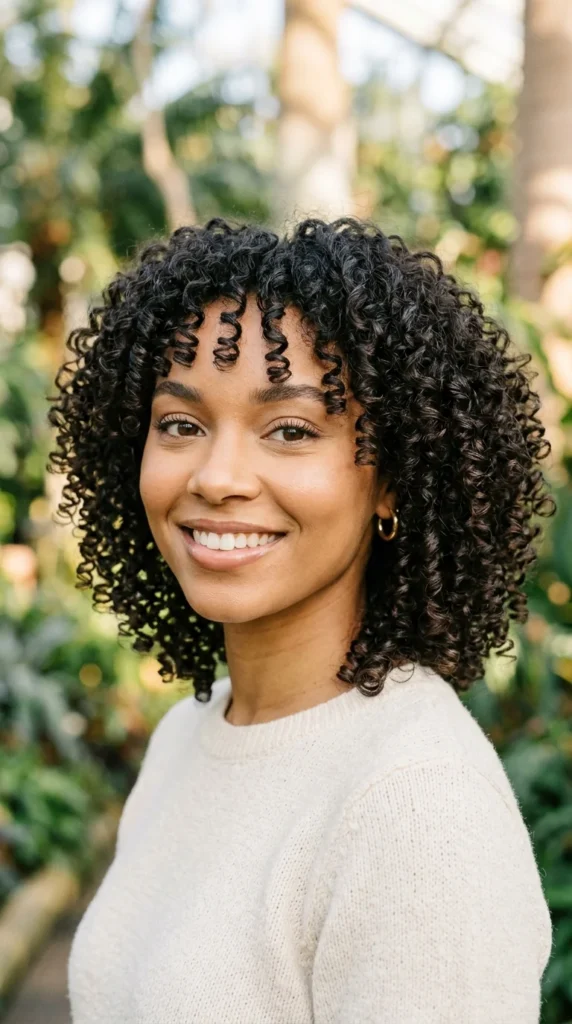
Curls require a special kind of framing. Instead of cutting in a straight line, the stylist cuts individual curls to different lengths to create a rounded, harmonious frame. This prevents the “bottom-heavy” look and ensures your curls bounce around your face, highlighting your smile.
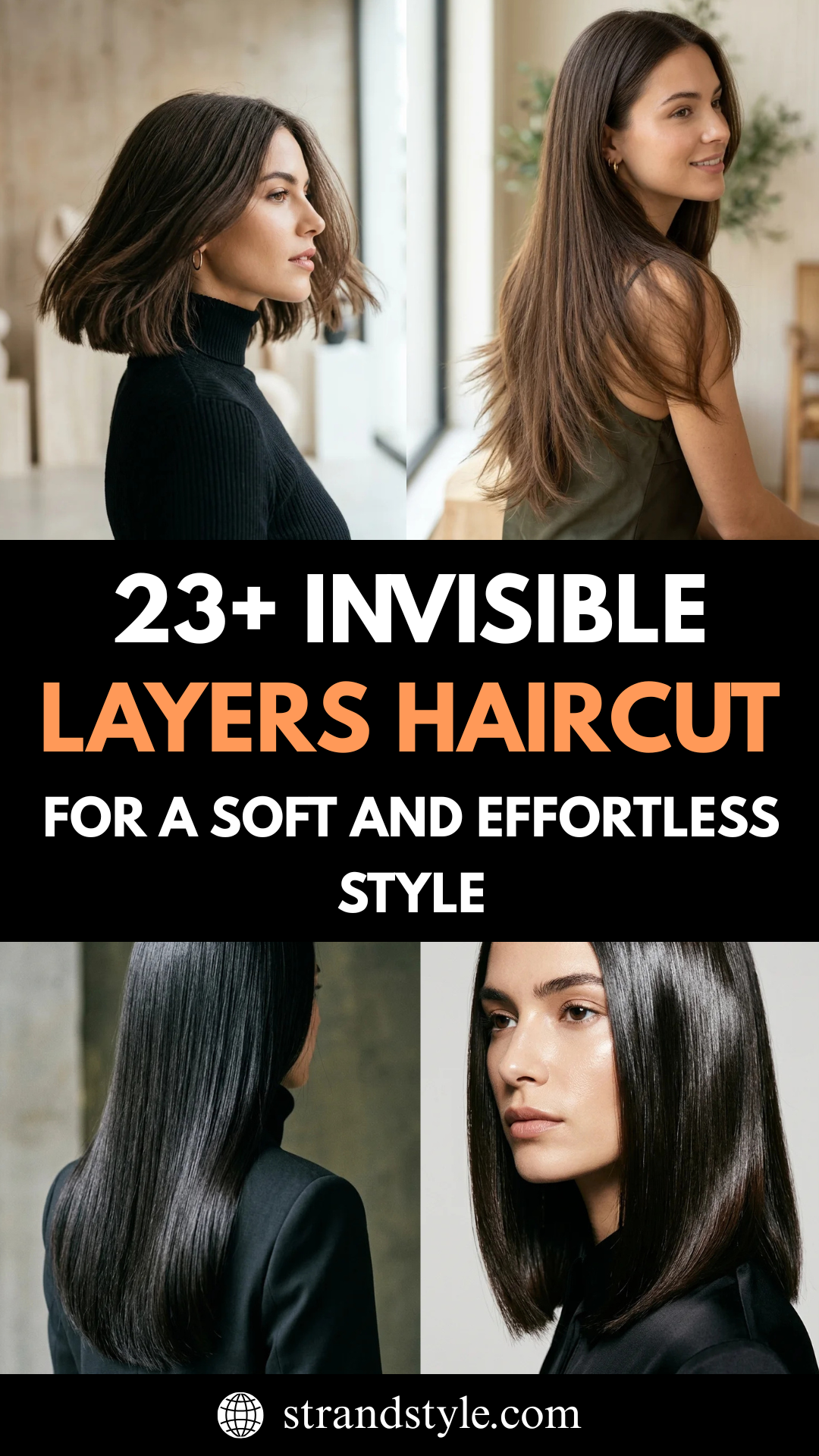
19. Invisible Layers
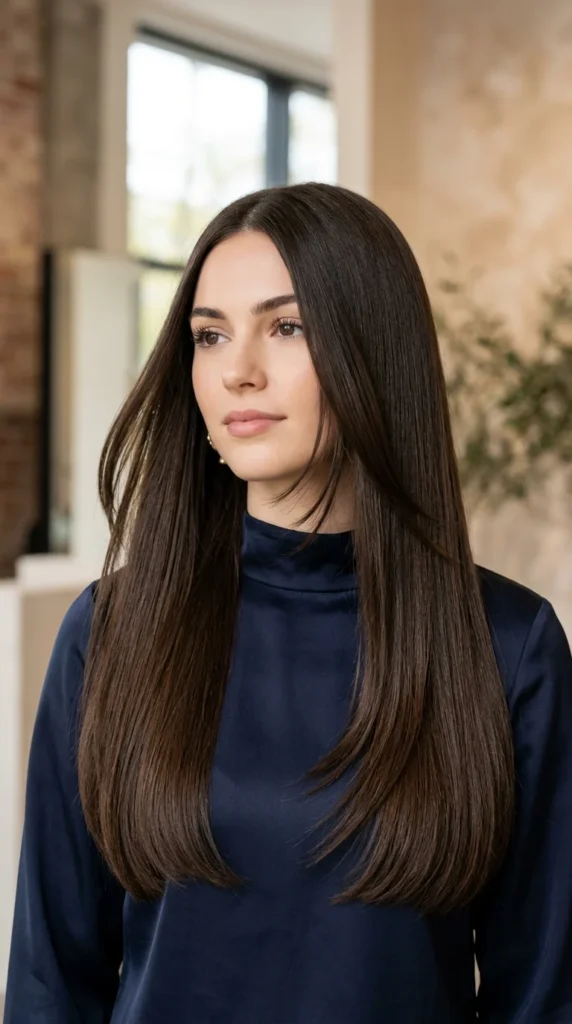
Invisible layers are the most subtle of all. They are cut so finely into the interior of the front sections that you can’t see where they start or end. They simply provide “support” for the hair, helping it to curve inward or hold a style longer without any visible “shelf” in the haircut.