The “Butterfly Cut” has taken the beauty world by storm, quickly becoming one of the most requested styles in salons globally. This haircut is a masterful blend of the short, shaggy layers of the 70s and the high-glamour, voluminous blowouts of the 90s. The “Butterfly Effect” refers to the haircut’s unique ability to create an optical illusion: it features short, face-framing layers that can look like a short bob when the rest of the hair is pinned back, while the longer layers maintain the overall length and flow.
The magic of this cut lies in its movement. By removing weight through strategically placed tiers, it allows the hair to “flutter” with every step, hence the name. If you are looking to breathe new life into flat, limp strands without sacrificing your length, the butterfly cut is the ultimate solution.
1. Classic Layers
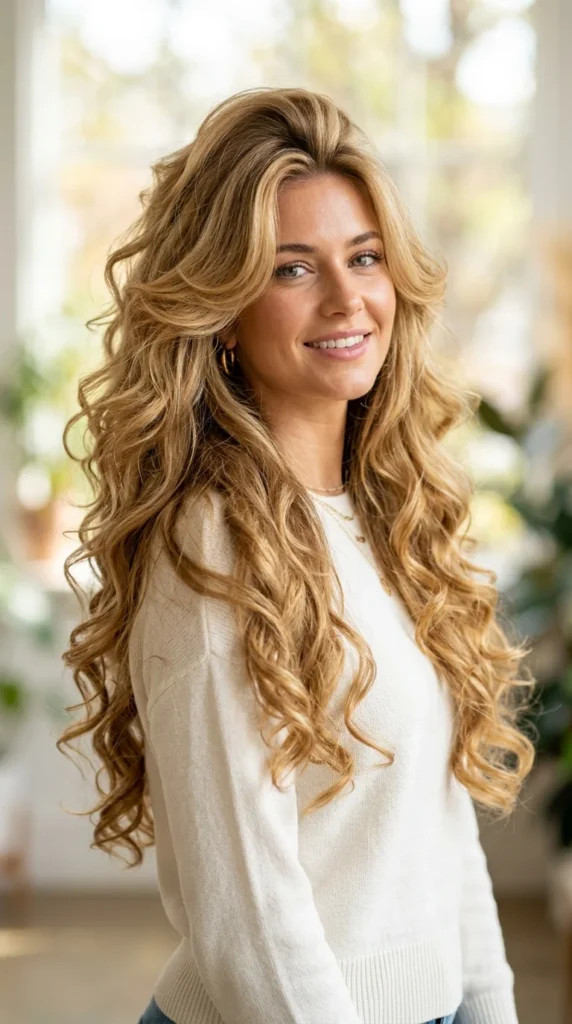
The classic butterfly haircut is all about high-contrast layers. This version focuses on a distinct separation between the top layers and the bottom lengths. The shortest layers usually hit just below the chin or at the jawline, mimicking a short haircut from the front. These layers are heavily feathered to provide maximum lift at the crown, while the bottom layers fall gracefully over the shoulders. This style is perfect for those with thick hair who want to remove bulk while adding a sense of weightless movement.
2. Midi Butterfly
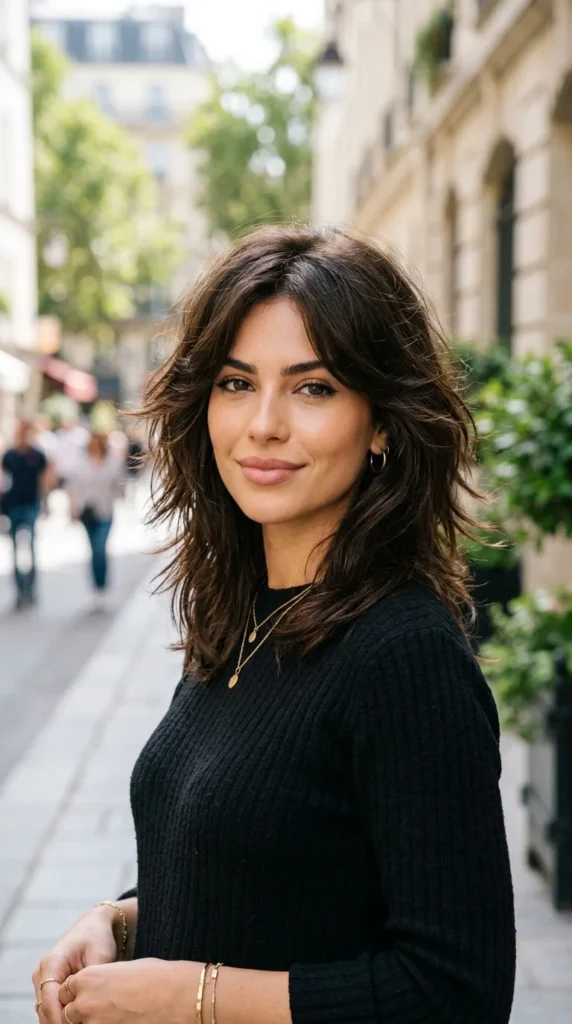
You don’t need waist-length hair to experience the butterfly effect. The “Midi Butterfly” is tailored for medium-length hair that hits between the collarbone and the chest. In this variation, the layers are more condensed, creating a dense, voluminous halo around the face. It’s an excellent choice for individuals with fine hair, as the shorter layers prevent the hair from looking “stringy” at the ends, instead providing a thicker, more robust appearance.
3. Curly Texture
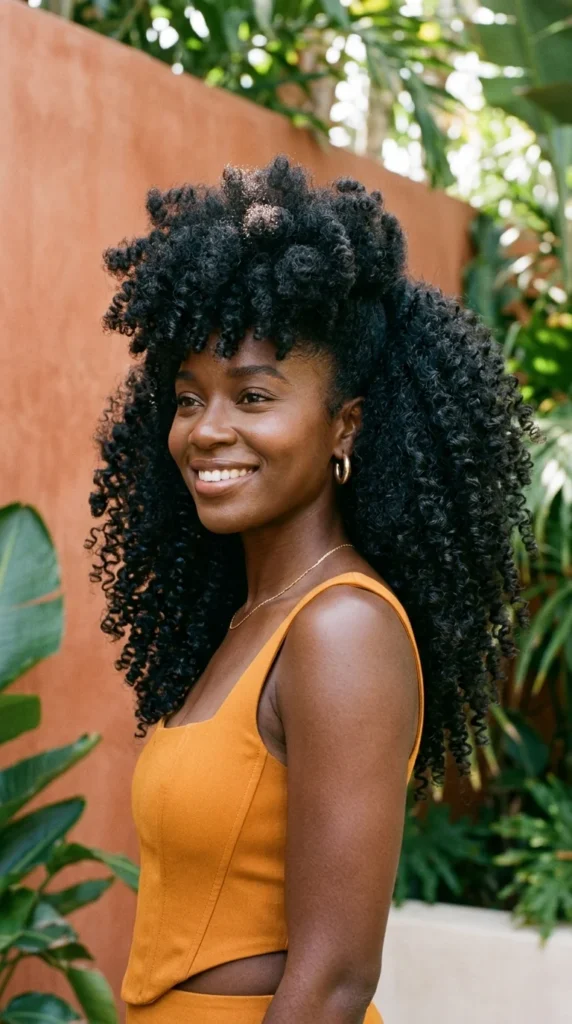
The butterfly cut is a game-changer for those with natural curls or coils. By incorporating shorter layers around the crown, the “triangle” shape—a common struggle for curly-haired individuals—is eliminated. The layers allow the curls to stack on top of each other, creating a rounded, voluminous shape that emphasizes the natural texture. It lightens the weight of the hair, allowing curls to spring up and maintain their definition throughout the day.
4. Face-Framing
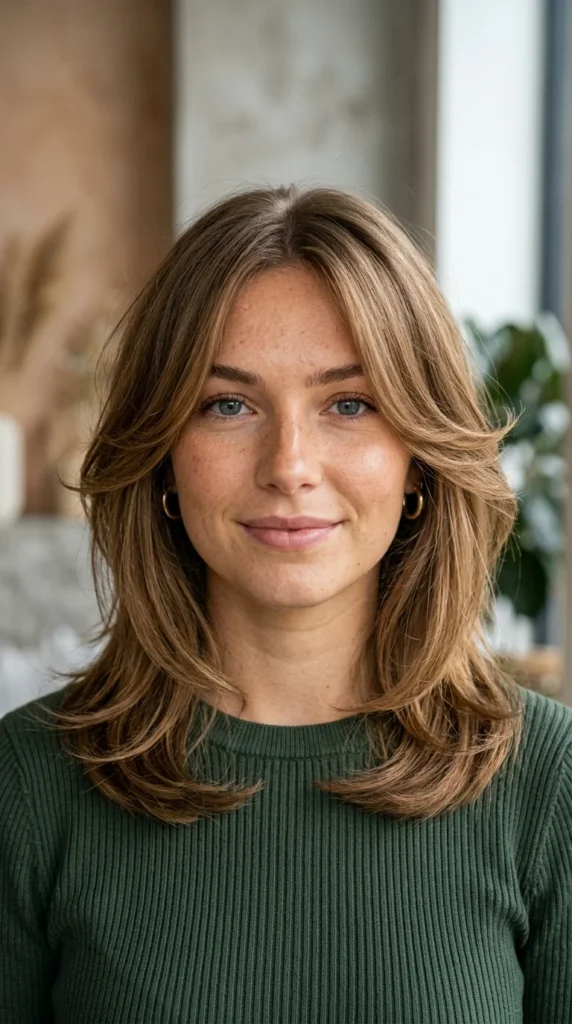
If you are hesitant to commit to full-body layers, the face-framing butterfly focus is the perfect entry point. This style concentrates the “butterfly wings” strictly around the face. The layers are cut to emphasize the cheekbones and jawline, sweeping outward to open up the face. The back is kept relatively simple with long, subtle layers, ensuring the focus remains on the dramatic, voluminous frame at the front.
5. Mega Blowout
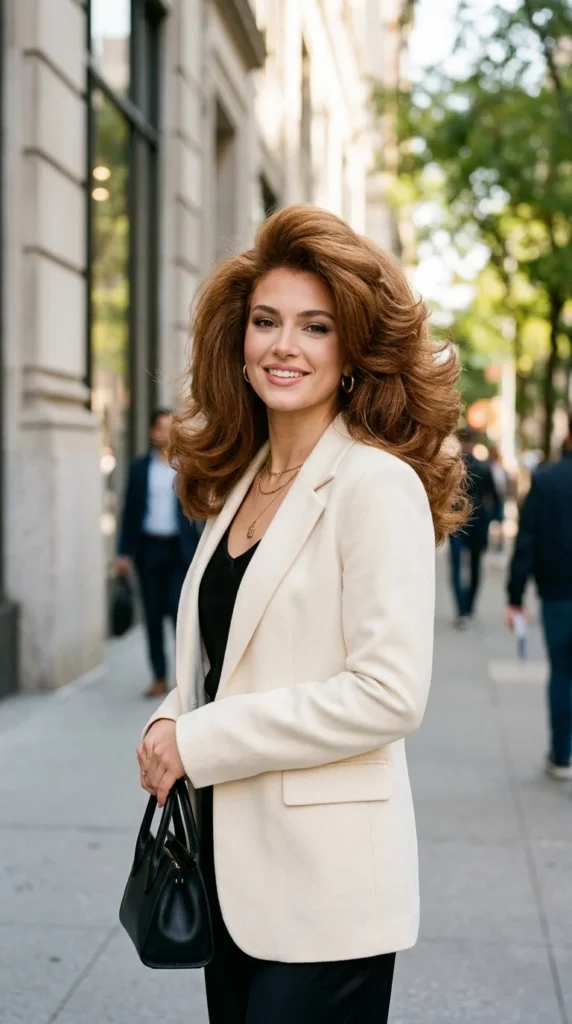
The butterfly cut was practically designed for the “90s Supermodel Blowout.” This styling idea emphasizes the layers by using large round brushes or hot rollers to flip the ends away from the face. The result is a high-octane look that maximizes volume and shine. This is the “Butterfly Effect” at its most dramatic, where every layer is defined and lifted to create a cloud-like mane of hair that looks both airy and luxurious.
6. Wavy Butterfly
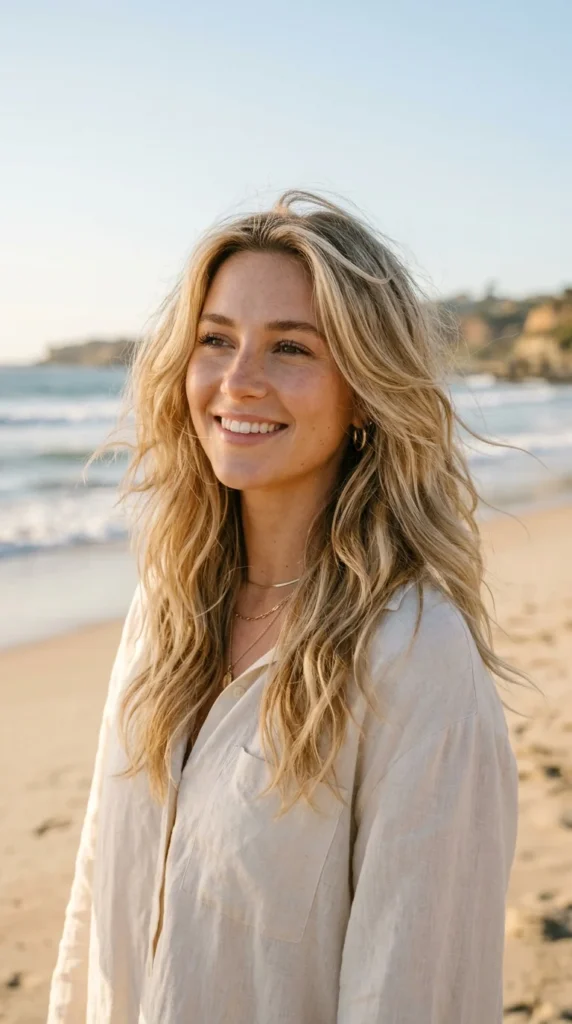
For a more relaxed, “cool-girl” aesthetic, the wavy butterfly cut combines the structural layers of the cut with soft, beachy waves. This look is less about the structured blowout and more about enhancing the hair’s natural bend. The layers prevent the waves from looking flat, providing a “messy” volume that looks intentional and stylish. It is a low-maintenance way to wear the trend, as it looks just as good air-dried as it does styled.
7. Short Bob-Butterfly
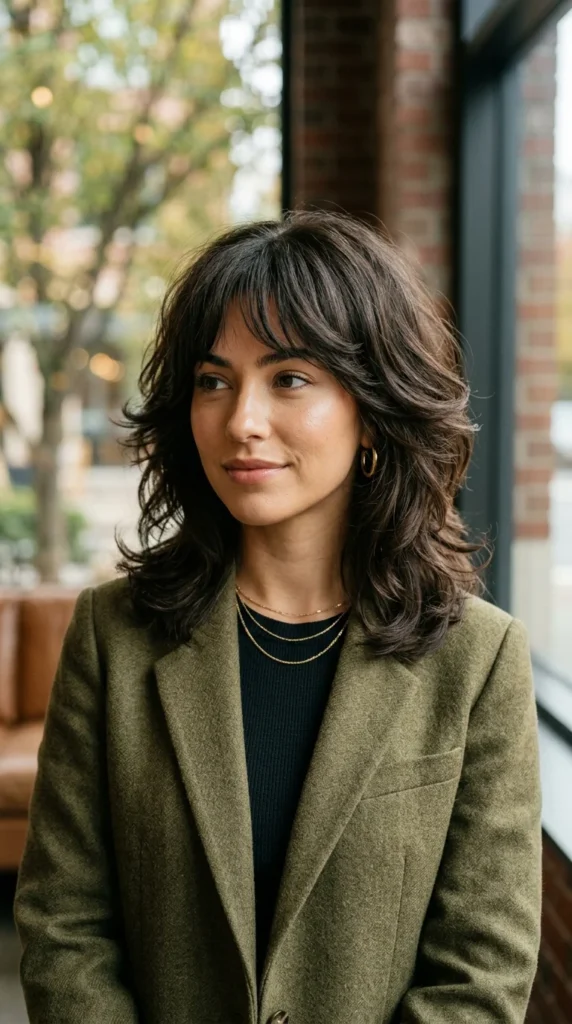
The “Butterfly Bob” or “Bfly-Bob” is for those who prefer shorter lengths but crave the volume of a layered cut. This version involves taking a traditional lob (long bob) and adding the signature short butterfly layers through the top and sides. It creates a “shaggy” yet sophisticated look that adds significant width and volume to the hair, making it look much thicker than a blunt-cut bob.
8. Sun-Kissed Dimensions
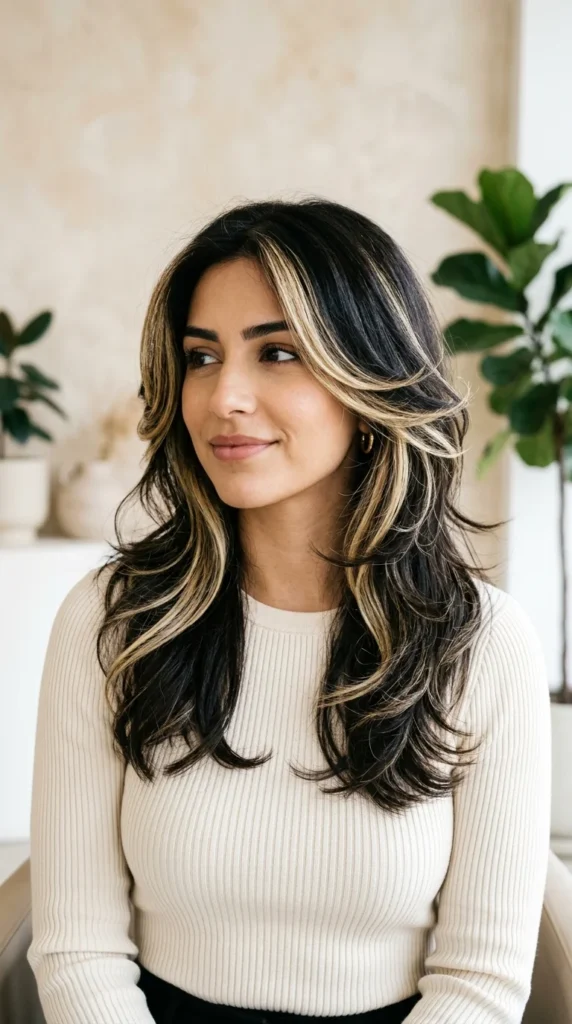
Color plays a massive role in how the butterfly effect is perceived. Adding balayage or “ribbon” highlights to a butterfly cut helps to distinguish each layer. When the lighter colors are placed on the ends of the short layers, it creates a visual “pop” that makes the volume look even more intense. This multidimensional approach ensures that the “wings” of the haircut are visible even in dim lighting or when the hair is tied back.
9. Fringe-Focused
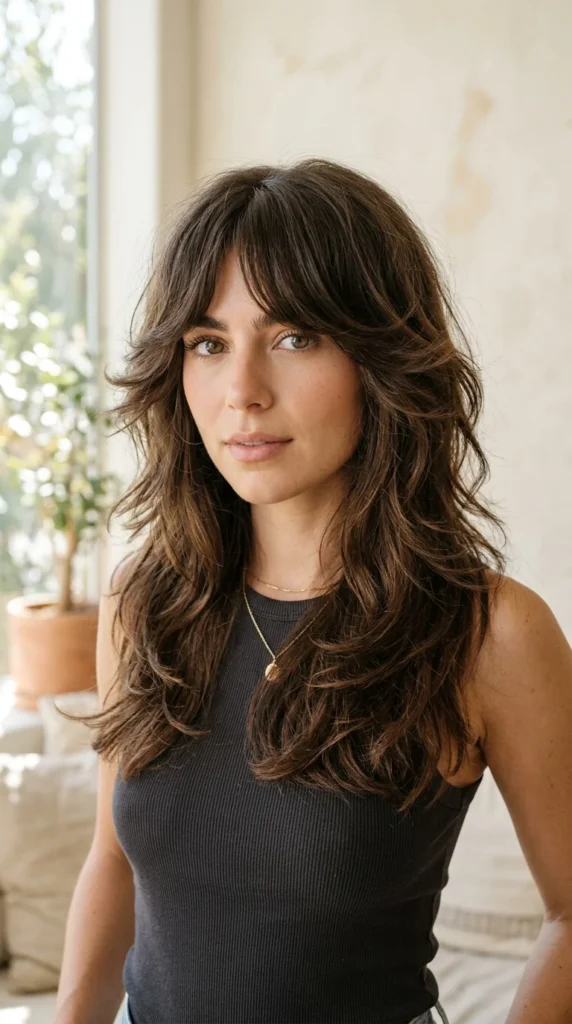
Incorporating curtain bangs into a butterfly cut is the ultimate way to achieve a seamless, voluminous flow. The bangs act as the “starter layer,” beginning at the brow or cheekbone and blending effortlessly into the next tier of layers. This eliminates any harsh lines and creates a soft, feminine silhouette. It’s particularly effective for those with longer face shapes, as the horizontal volume provided by the bangs and side layers helps balance the features.
How to Style Your Butterfly Cut for Maximum Volume
To truly achieve the “Butterfly Effect,” styling is key. Here are the essential steps to make your layers take flight:
- Prep with Mousse: Apply a volumizing mousse to damp hair, focusing on the roots. This provides the “grip” necessary to hold the lift created by the layers.
- The Round Brush Technique: Use a large ceramic round brush while blow-drying. Pull the hair upward from the root and roll the ends away from your face. This creates the signature “winged” look.
- Set with Rollers: For a long-lasting blowout, use velcro rollers on the top layers while they are still warm from the dryer. Leave them in for 10-15 minutes to set the volume.
- Finishing Spray: Use a lightweight texture spray or dry shampoo at the roots to maintain height without weighing the hair down.
The butterfly haircut is more than just a trend; it is a versatile technique that can be customized for any hair type or face shape. Whether you go for the classic long layers or a modern midi version, you are guaranteed a look that is as light as air and full of life.