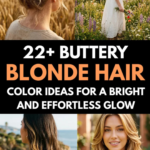
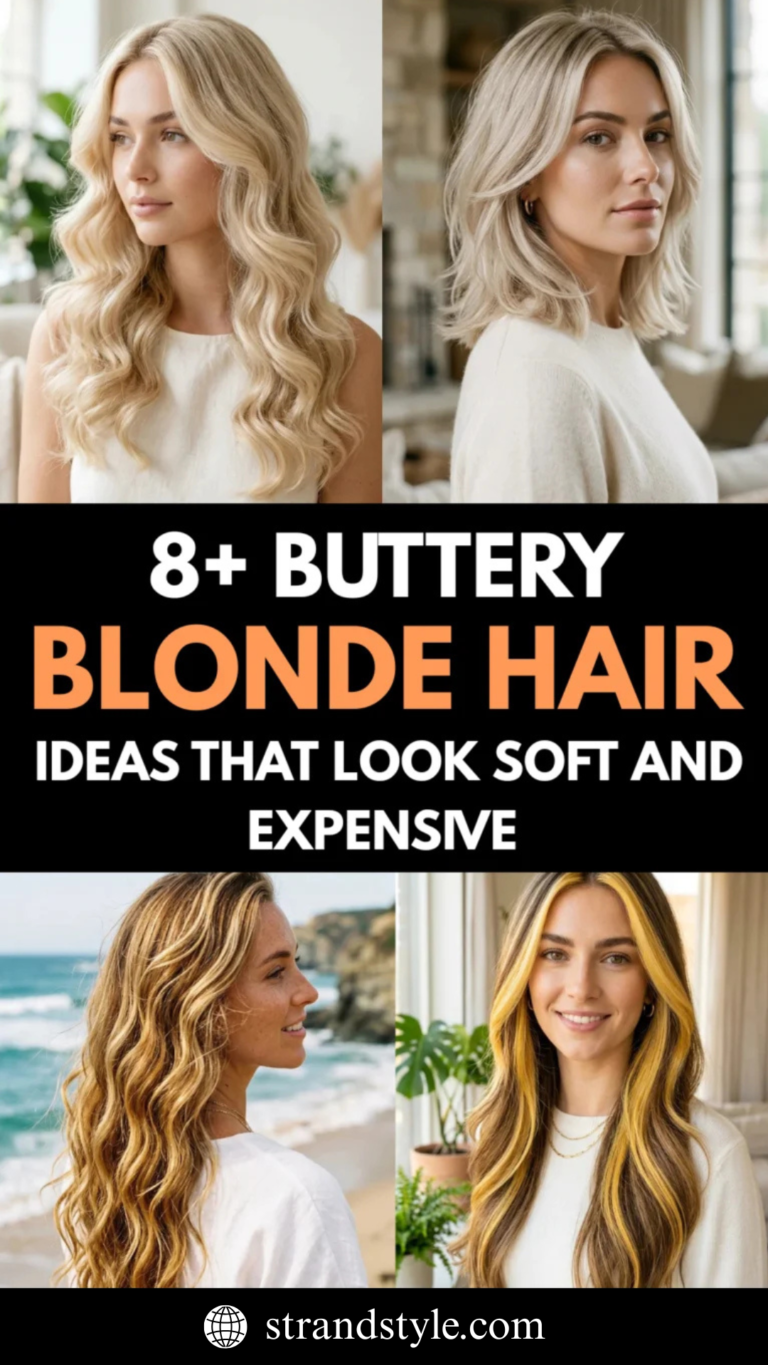
The “Expensive Girl” aesthetic has shifted away from the icy, high-maintenance platinums of the past and toward something much more inviting: Buttery Blonde. This color trend is defined by its warmth, its ability to reflect light, and a seamless blend that suggests a life of luxury and high-end salon visits. Unlike ash tones, which can sometimes look flat or dull, buttery blonde mimics the natural luminosity of healthy hair, making it look thicker, shinier, and infinitely more sophisticated.
Achieving this look requires a delicate balance of gold, beige, and cream tones. It is about embracing warmth without crossing into “brassy” territory. Here are eight buttery blonde hair ideas that embody this soft, expensive finish.
1. Vanilla Buttercream
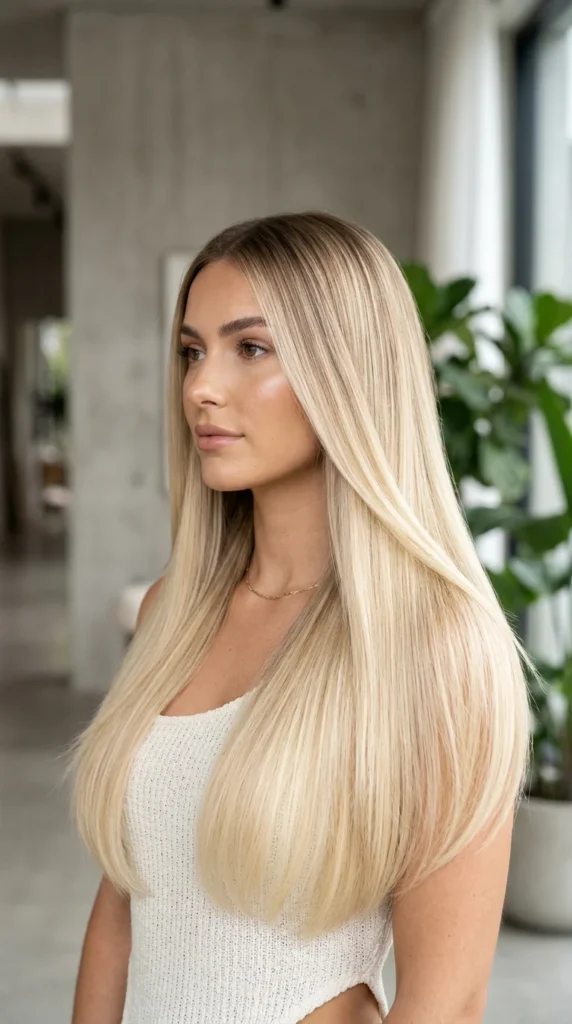
Vanilla buttercream is the brightest iteration of the buttery blonde trend. It leans toward the cooler side of the warm spectrum, utilizing pale cream tones rather than deep golds. This shade is particularly effective for those with fair to medium skin tones with neutral undertones.
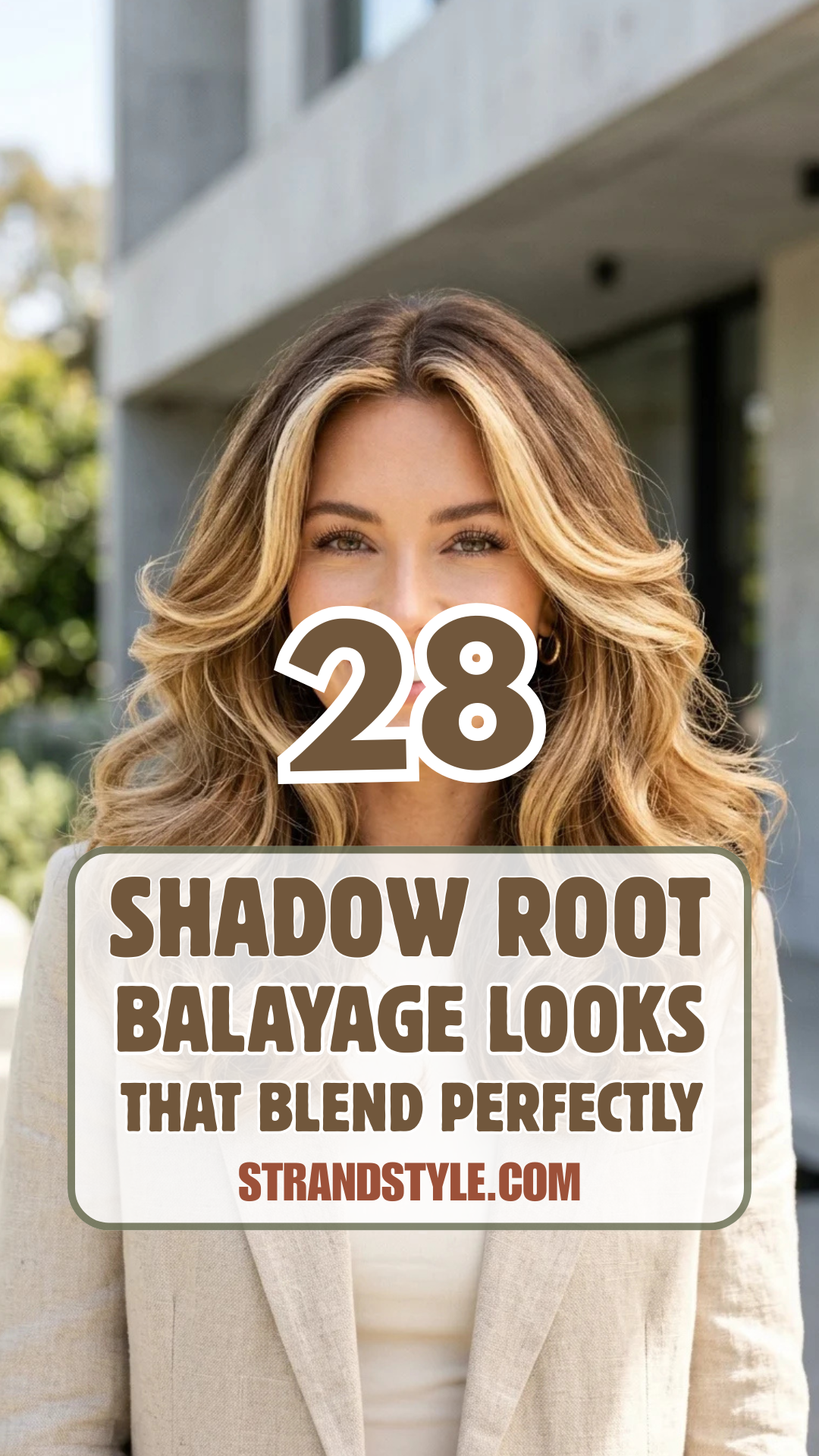
The secret to making vanilla buttercream look expensive is the “melt.” By keeping a slightly shadowed root—often called a “root smudge”—the transition from the scalp to the bright ends looks natural rather than harsh. This technique prevents the “helmet” look often associated with solid bleach jobs and allows the hair to grow out gracefully, maintaining its luxurious appeal for weeks longer than a traditional single-process color.
2. Honey Glaze
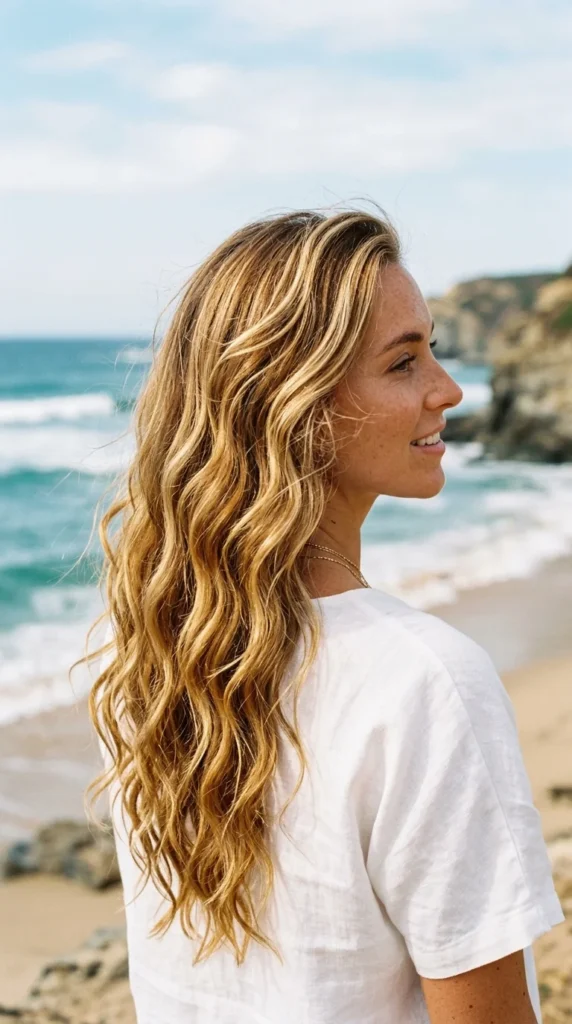
Honey glaze is all about dimension. This look uses a traditional balayage technique to paint varying shades of honey, amber, and gold throughout the hair. The result is a sun-drenched effect that looks as though you’ve just returned from a Mediterranean vacation.
Because honey tones are naturally darker than vanilla, this shade is ideal for natural brunettes who want to go blonde without compromising the health of their hair. The warmth in honey glaze is what gives it that “expensive” glow; warm pigments reflect more light than cool ones, giving the hair a glass-like finish that screams vitality.
3. Champagne Pop
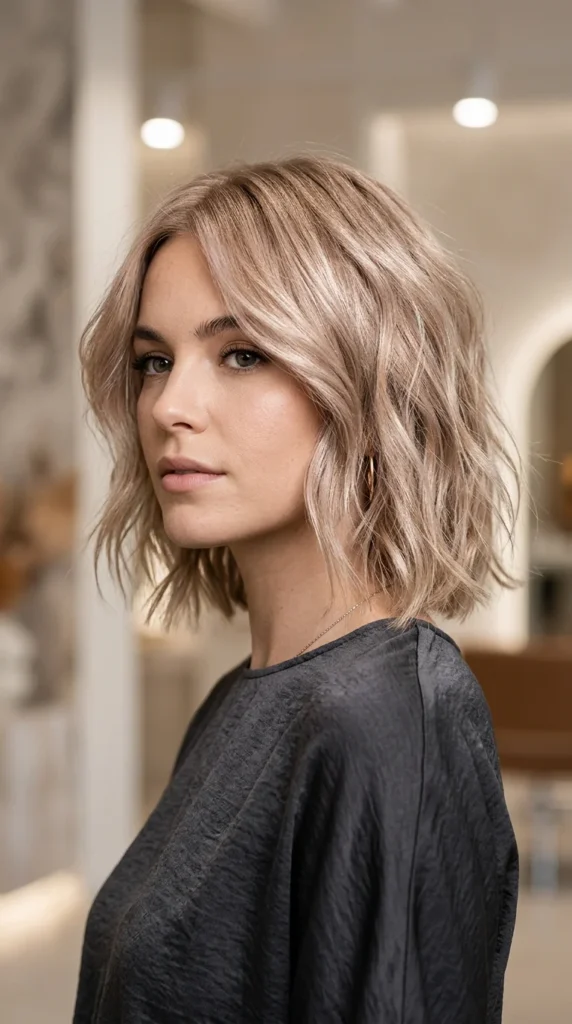
If you want a look that feels celebratory and high-fashion, champagne pop is the answer. This shade sits right at the intersection of cool beige and warm gold. It creates a neutral “nude” blonde that complements almost every skin tone.
The key to the champagne pop look is the gloss. An “expensive” blonde is never dry or frizzy. To achieve this, stylists often apply a clear or pearl-toned gloss over the highlights to seal the cuticle and add a layer of reflective shine. This makes the blonde look vibrant and multidimensional, rather than monochromatic.
4. Whipped Chiffon
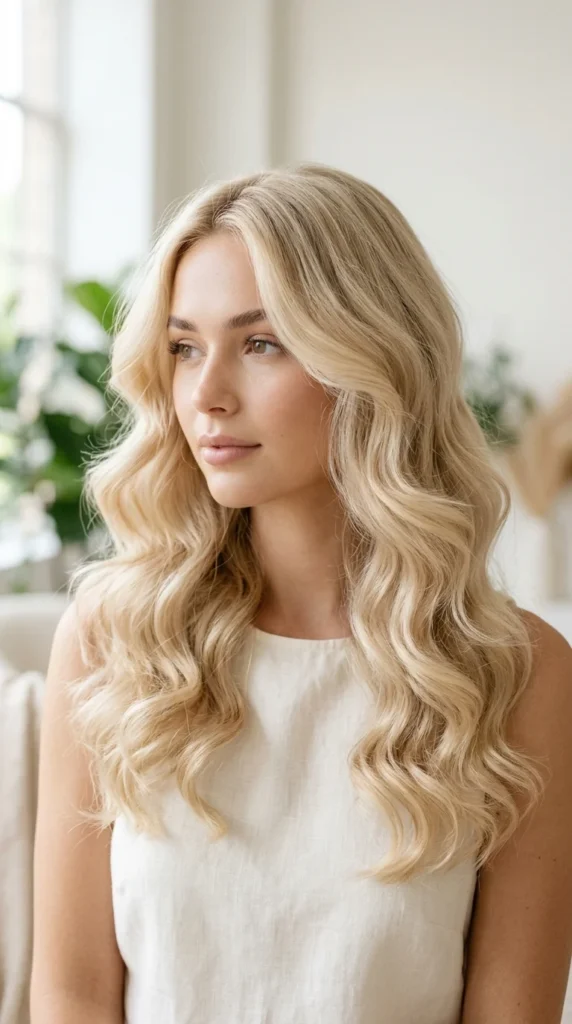
Whipped chiffon is characterized by its incredible softness. Unlike high-contrast highlights, this look uses a “babylight” technique—ultra-thin highlights that are woven throughout the entire head of hair. The goal is to make it look like the hair was naturally lightened by the sun over many years.
This is the ultimate “low-key luxury” look. It doesn’t shout; it whispers. Because the highlights are so fine, there are no visible lines of demarcation. This creates a soft, hazy glow around the face that mimics the flattering effect of a soft-focus lens.
5. Toasted Pearl
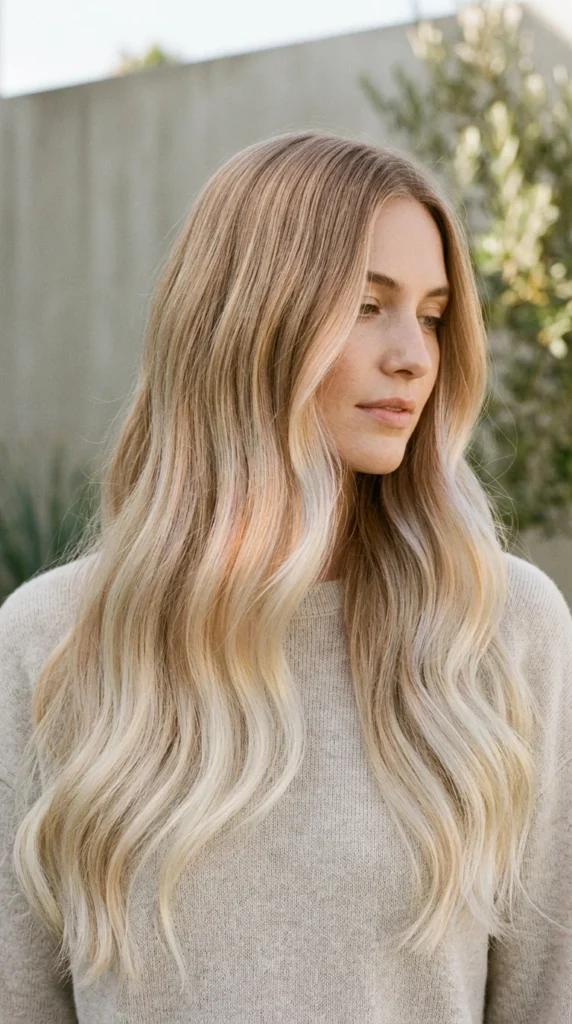
Toasted pearl is a sophisticated take on blonde that incorporates “sand” tones. It is slightly more muted than a bright gold but maintains the warmth of a pearl. It’s a “quiet luxury” hair color that focuses on the health and texture of the strands.
This shade works beautifully for those who prefer a more matte, creamy finish rather than a high-shine gold. By mixing toasted beige with pale pearlescent highlights, the hair achieves a 3D effect that makes thin hair look much fuller and more voluminous.
6. Sun-Drenched Ribbon
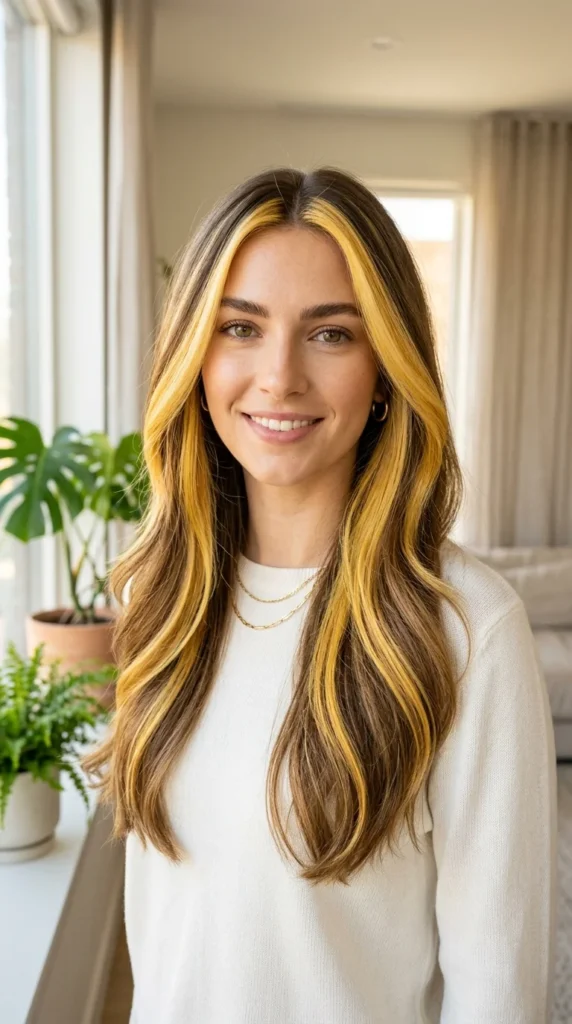
For those who love a “Money Piece,” the sun-drenched ribbon technique is the way to go. This look focuses on thick, buttery “ribbons” of color concentrated at the front of the face and scattered through the mid-lengths.
The contrast between the darker base and the bright buttery ribbons creates a striking, high-impact look that still feels soft. It’s an excellent way to brighten your complexion instantly. The “expensive” element comes from the intentionality of the placement; the highlights are strategically positioned to catch the light exactly where a photographer would place a bounce board.
7. Melted Gold
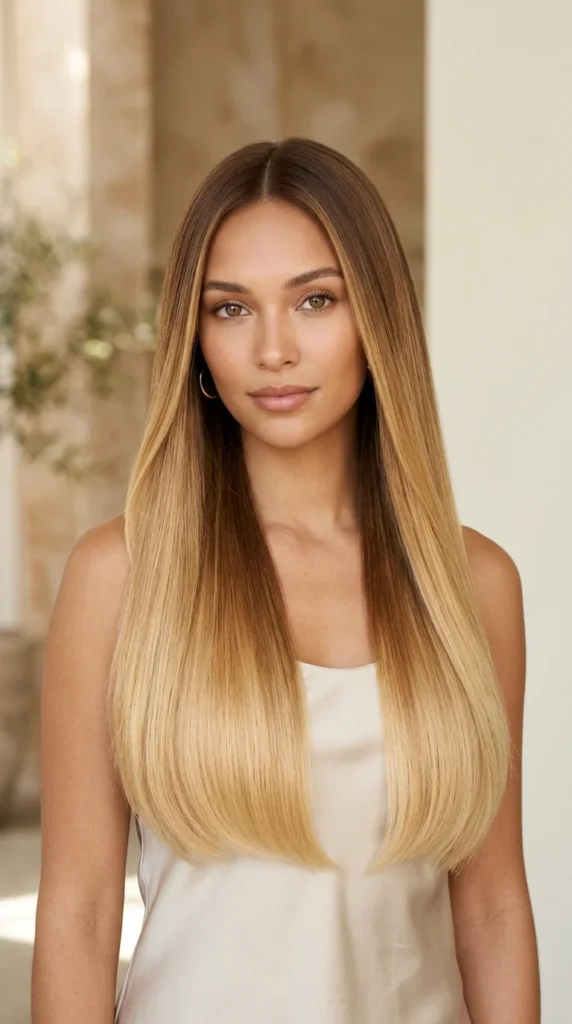
Melted gold is the evolution of the ombré. It is a seamless gradient that flows from a rich, warm base into a bright, buttery end. The “melted” aspect refers to the technique where the stylist literally smudges the colors together to ensure there is no “dip-dye” effect.
This look is particularly low-maintenance, which paradoxically makes it look more expensive. Because the roots are darker and warmer, the grow-out is invisible. It suggests that your hair color is naturally this perfect, even as it grows. It’s the go-to for the busy professional who wants to look polished 24/7.
8. Cashmere Blonde
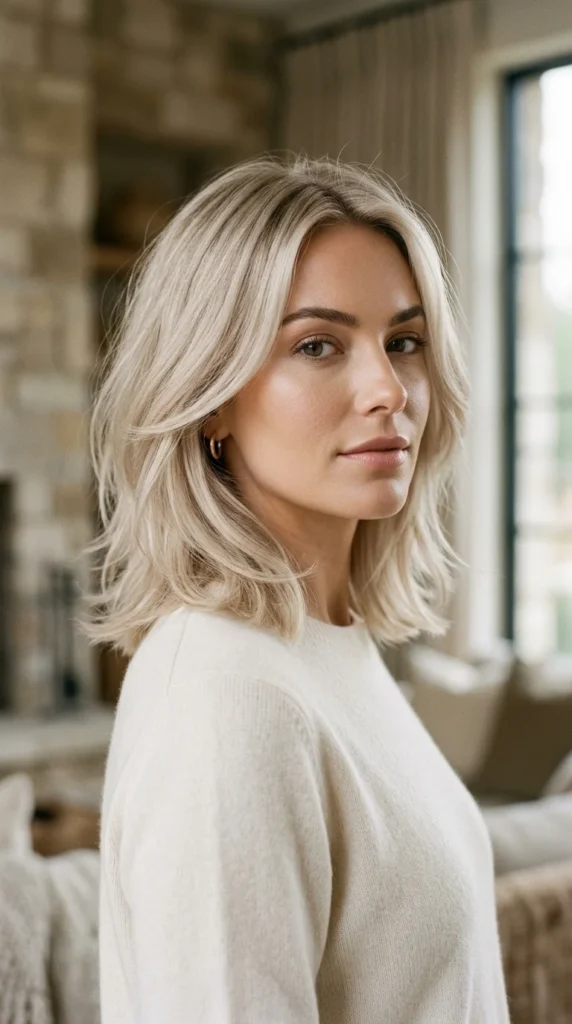
Cashmere blonde is a tonal look that uses very similar shades of blonde layered on top of one another. Instead of high contrast, it relies on “tonal variance.” You might have a base of butterscotch, highlights of cream, and lowlights of light oak.
The result is a hair color that looks incredibly expensive because it is so custom. It requires an expert eye for color theory to balance these subtle shifts. The finish is soft, touchable, and looks effortlessly chic, much like the luxury fabric it is named after.
Maintaining Your Buttery Blonde
The secret to keeping these shades looking “expensive” rather than “exhausted” lies in the maintenance. Warm blondes require specific care to prevent them from turning orange or losing their luster.
- Swap the Purple Shampoo: While cool blondes need heavy purple pigments, buttery blondes benefit more from “clear” or “golden” glosses. Using too much purple shampoo can dull the warmth and make your buttery blonde look grey or muddy.
- Prioritize Moisture: Blonde hair is chemically altered hair. To maintain that soft, expensive texture, weekly deep-conditioning masks are non-negotiable. Look for ingredients like shea butter and jojoba oil.
- Heat Protection: Heat is the enemy of hair color. It can literally “cook” the toner out of your hair, leading to brassiness. Always use a high-quality heat protectant before using any hot tools.
- Regular Glazing: Visit your stylist every 6-8 weeks for a professional toner or glaze. This refreshes the “buttery” pigment and seals the cuticle, ensuring your hair stays in that high-shine, luxury zone