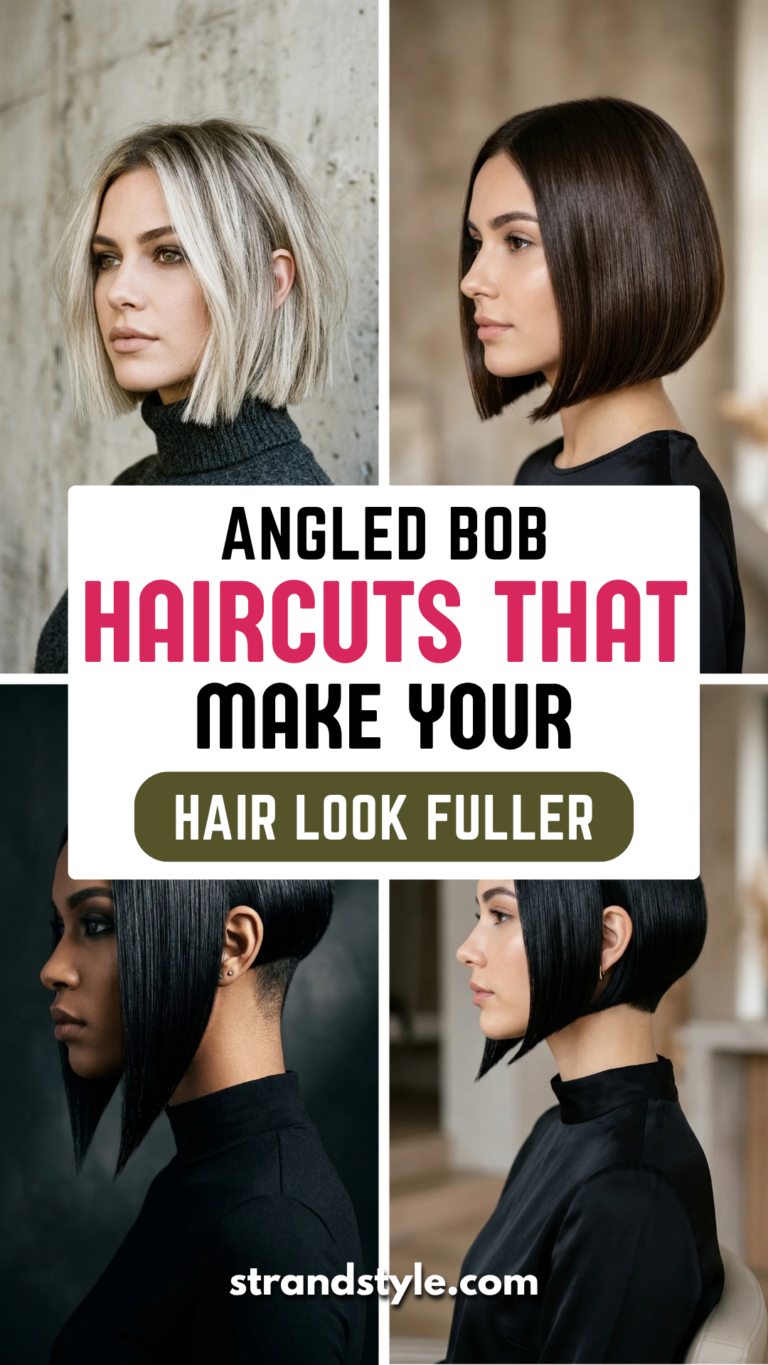
The struggle for volume is a universal hair concern. Whether you have naturally fine strands or are experiencing thinning, the right haircut can act as an immediate “facelift” for your mane. Among the most effective silhouettes for creating the illusion of density is the angled bob. By playing with geometry, weight distribution, and perimeter lines, an angled bob shifts the focus from the thickness of individual strands to the overall structure of the style.
Unlike a traditional blunt cut, which can sometimes make fine hair look “stringy” if it grows too long, the angled bob uses a shorter back to support the weight of the longer front pieces. This creates a natural lift at the crown and a sense of movement that flatters almost every face shape. Here are nine variations of the angled bob specifically designed to maximize fullness and bounce.
1. Classic Graduated
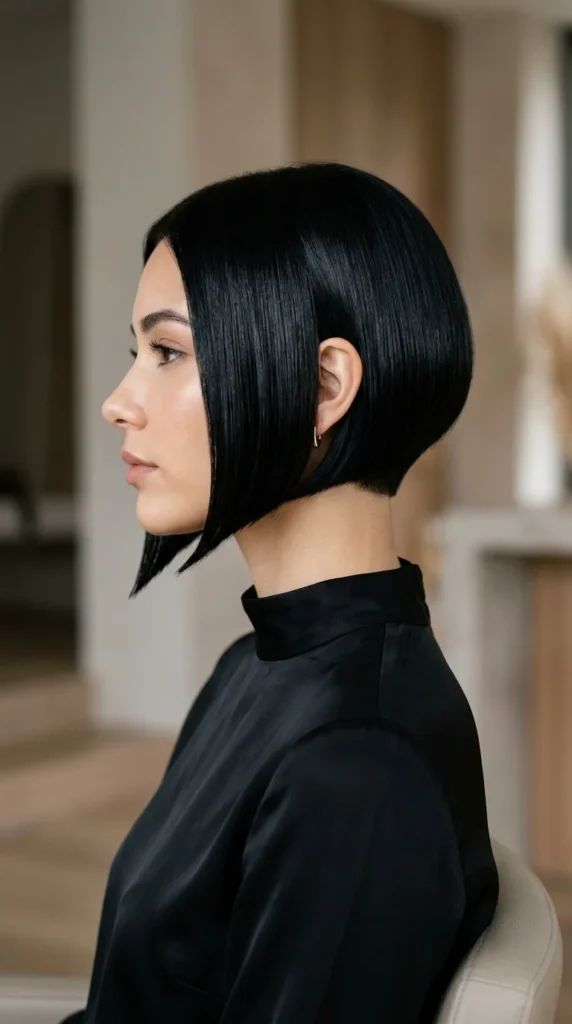
The classic graduated bob is the gold standard for adding volume to the back of the head. By utilizing “stacking”—a technique where hair is cut in very short, overlapping layers at the nape—the stylist creates a sturdy foundation that pushes the top layers upward.
This creates a rounded, voluminous shape that doesn’t rely on heavy styling products. For those with fine hair, the graduation prevents the hair from lying flat against the scalp, providing a “built-in” lift that lasts from the moment you wake up.
2. Stacked Layers
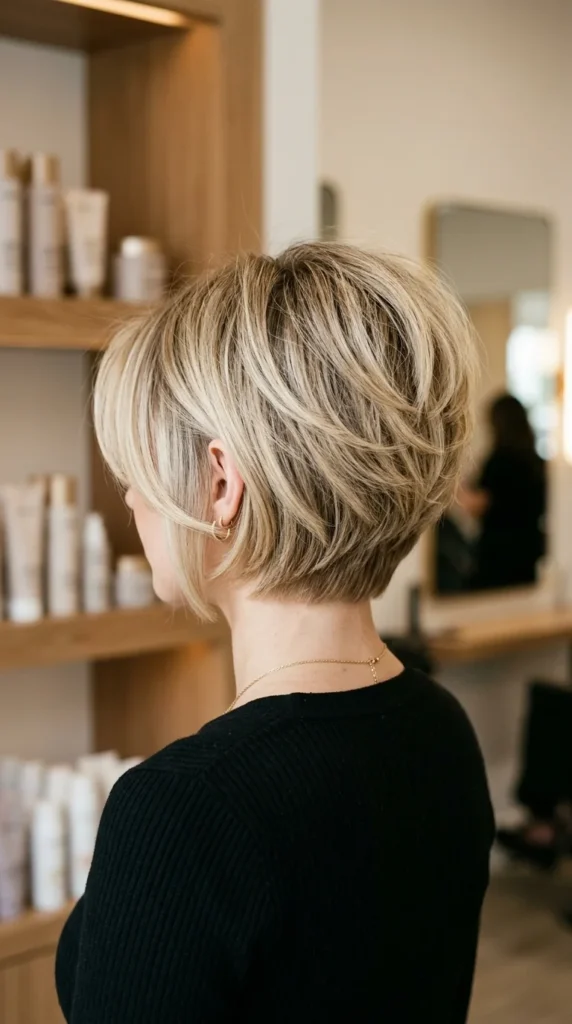
If your primary goal is height at the crown, the stacked layered bob is your best bet. This version of the angled bob features more aggressive layering at the back. The “stack” refers to the way the hair is graduated vertically, creating a wedge-like shape.
The beauty of this cut is that it removes weight from the bottom while concentrating it in the middle and upper sections of the head. This redistribution of weight makes the hair appear significantly thicker than it actually is. It works particularly well for those with straight or slightly wavy hair who want a structured, polished look.
3. Textured A-Line
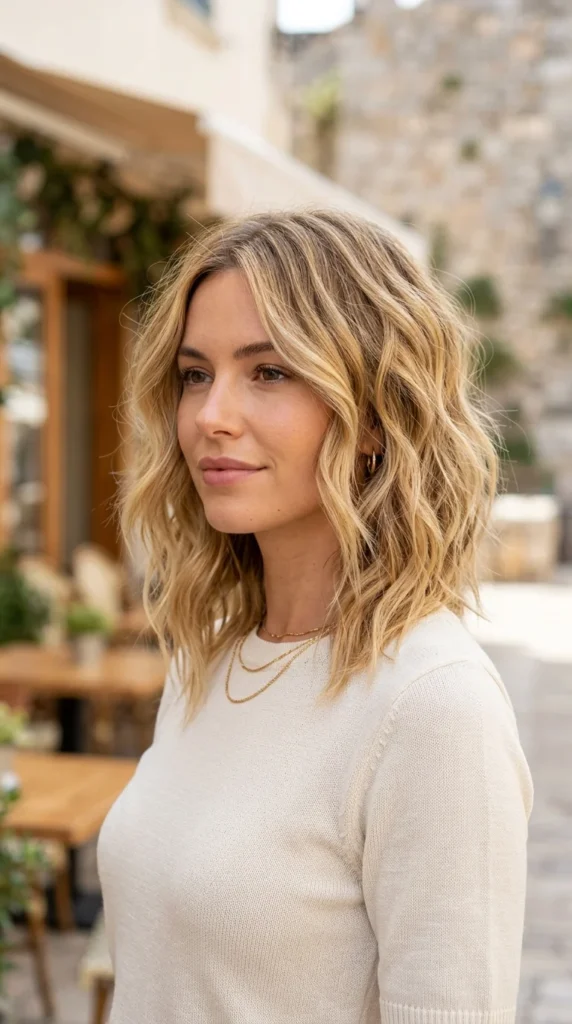
While “A-line” refers to the perimeter shape (shorter in the back, longer in the front), adding texture is what brings the fullness to life. A textured A-line bob avoids the “helmet” look by incorporating internal layers and point-cutting the ends.
By breaking up the solid line of the hair, light can pass through the layers, creating shadows and highlights that suggest depth and density. Styling this with a sea salt spray or a light pomade enhances the “piecey” look, making the hair look thick and effortless.
4. Deep Inverted
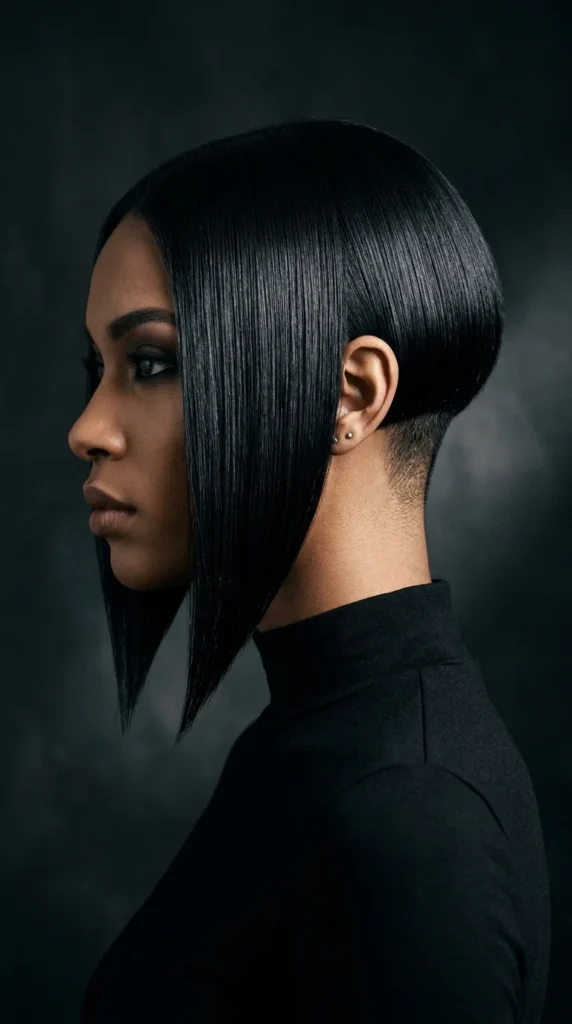
The inverted bob is similar to the graduated bob but usually features a more dramatic slope. For women with fine hair, the extreme angle creates a visual weight at the front of the face.
Because the hair is shortest at the back where the head curves, it naturally “pops” out, creating a silhouette that looks full from every angle. This is a power cut—it’s bold, architectural, and does most of the work for you. The steepness of the angle draws the eye downward and forward, distracting from any lack of density at the roots.
5. Asymmetrical Swing
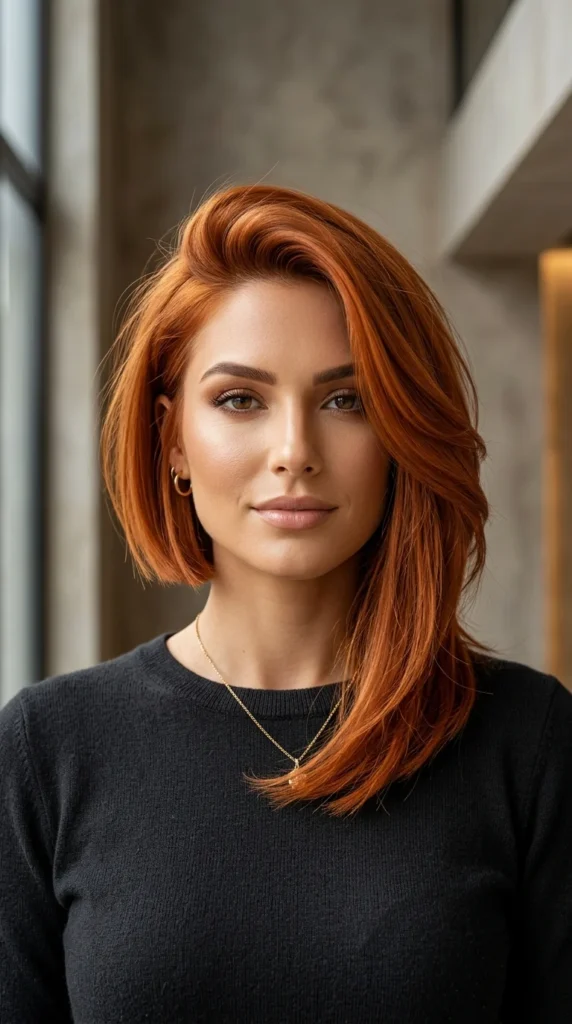
An asymmetrical bob is an excellent trick for fine hair because it breaks up the symmetry that can often highlight thinness. By having one side longer than the other, you create a dynamic look that constantly moves.
Pairing an asymmetrical angle with a deep side part is a “cheat code” for volume. The act of flipping the hair over to one side creates instant root lift, while the uneven lengths keep the eye moving, making the hair appear more voluminous and “full of life” than a standard symmetrical cut.
6. Choppy Blunt
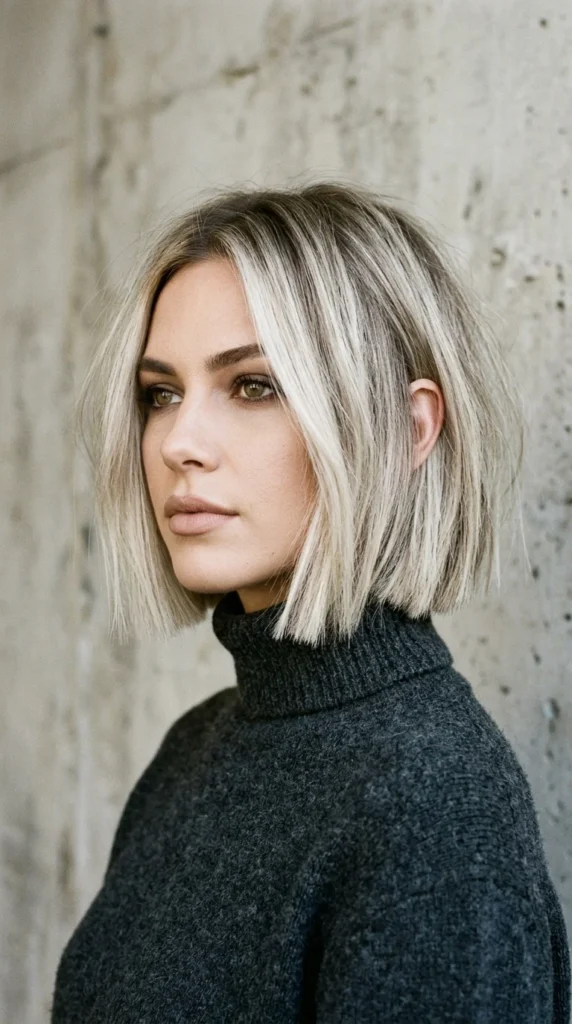
Typically, we think of layers as the key to volume, but for some hair types, a blunt perimeter is better. A choppy blunt angled bob keeps the ends thick and “weighty” rather than thinning them out with a razor.
By cutting the hair at an angle but keeping the edges blunt, you retain the maximum amount of hair at the bottom of the style. This prevents the “see-through” look that often plagues fine hair. The “choppy” element comes from vertical snips into the blunt edge, which adds movement without sacrificing the thickness of the line.
7. Wavy Lob
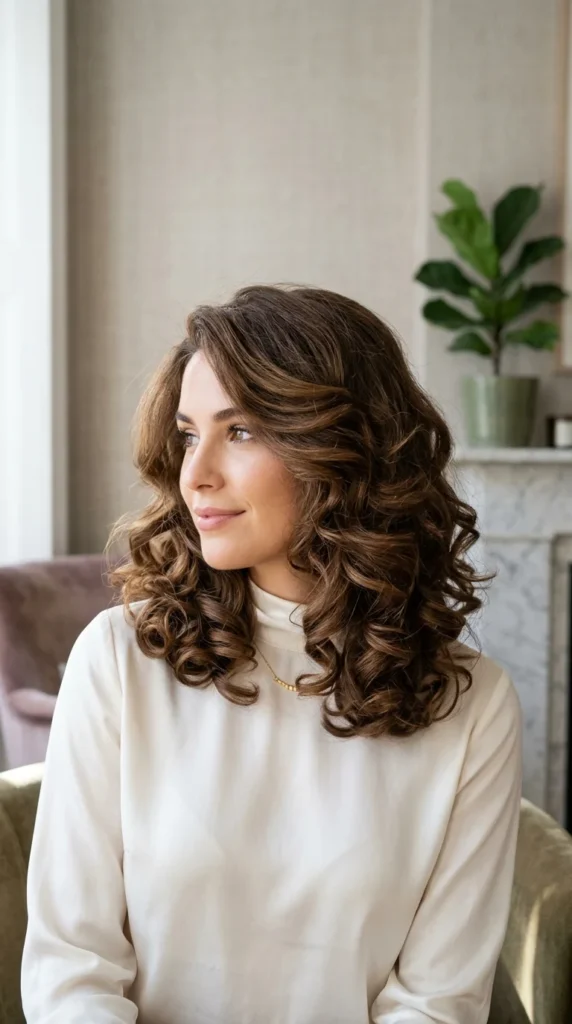
The “Lob” (long bob) with a subtle angle is perfect for those who aren’t ready to go too short. When hair is fine, length can often pull the volume down due to gravity. An angled lob solves this by keeping the back short enough to stay bouncy while maintaining the flattering length around the face.
Adding waves to an angled lob is the ultimate way to boost fullness. The angle ensures the waves “stack” on top of each other at the back, while the front remains elongated and sleek. This is a very versatile style that looks just as good air-dried as it does blown out.
8. Sleek Concave
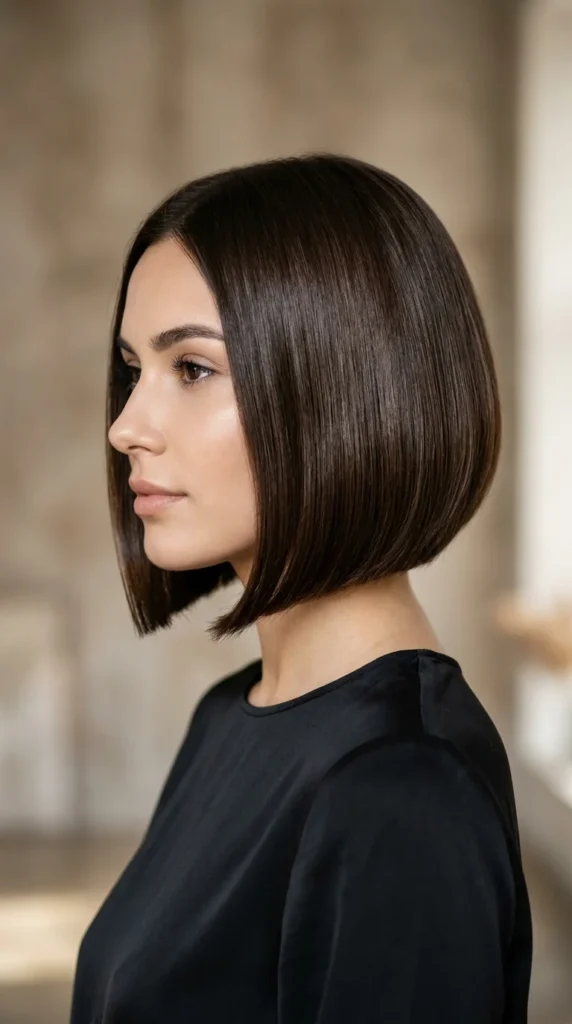
A concave bob is cut so that the hair naturally curves inward toward the face. This inward curve creates a “hollow” space behind the hair, which structurally supports the outer layers and makes them appear further away from the head, thus looking fuller.
This style relies on precision. Because the hair is tucked and angled to follow the bone structure of the jaw and neck, it frames the face while maintaining a thick, dense appearance at the perimeter. It’s an ideal choice for someone who prefers a neat, professional, and sophisticated aesthetic.
9. Feathered Back
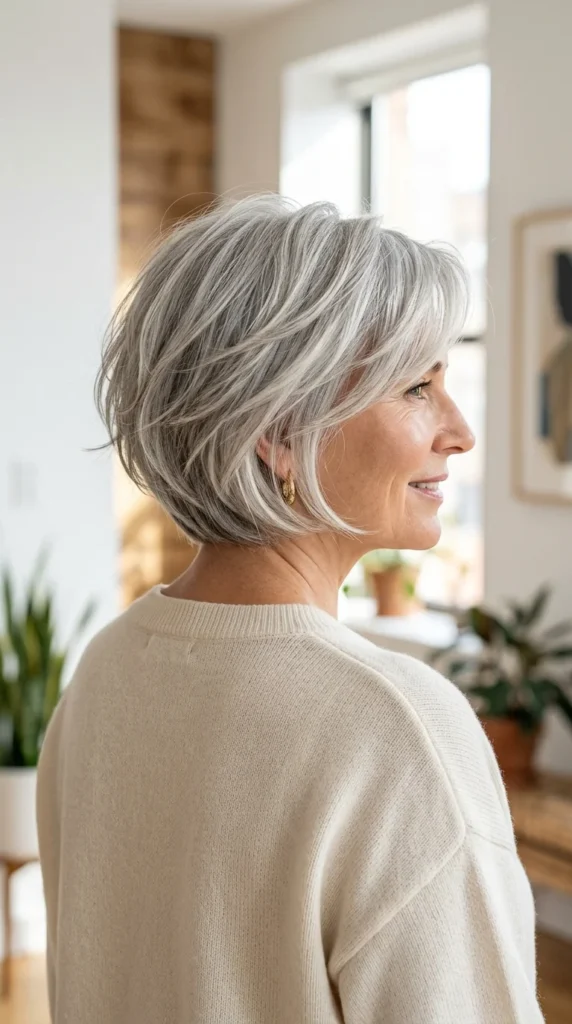
For those who find traditional bobs too heavy, the feathered angled bob offers a lighter, airier alternative that still prioritizes volume. Instead of heavy stacks, this cut uses fine, “feathered” layers that overlap like a bird’s wing.
The angle provides the shape, while the feathering provides the volume. This style is particularly effective for those with a bit of natural wave or texture, as the layers catch the air and hold their shape easily. It’s a soft, feminine take on the angled bob that focuses on height and “fluffiness” rather than sharp geometric lines.
Tips for Maintaining Fullness in an Angled Bob
- Blow-dry Upside Down: To maximize the “stack” in your angled bob, dry the back of your head while leaning forward. This encourages the roots to stand up away from the scalp.
- Use Dry Shampoo Preemptively: Don’t wait for your hair to get oily. Applying a bit of dry shampoo to the crown of your angled bob immediately after styling provides extra “grip” and keeps the layers from sliding flat.
- Regular Trims: The “magic” of an angled bob lies in its crisp lines. To keep your hair looking its fullest, aim for a trim every 6 to 8 weeks to maintain the graduation and prevent the ends from becoming thin.
- Root Lifting Sprays: Focus your styling products on the back “wedge” of the cut. A good root lifter in the crown area will emphasize the angle and keep the silhouette sharp.