The “quiet luxury” of the hair world has arrived, and it goes by the name of invisible layers. For years, the hallmark of a layered haircut was the visible “step”—those distinct tiers of hair that shouted, “I just came from the salon.” But the modern aesthetic has shifted toward something far more effortless. Invisible layers, often referred to as “ghost layers” or “internal layering,” are a specialized cutting technique where the shorter pieces are tucked away beneath the top canopy of the hair.
The result? Unbelievable volume, swing, and movement without the choppy, dated look of traditional layers. Whether you have fine hair that falls flat or thick hair that feels like a heavy curtain, these 14 invisible layer ideas will transform your mane into a masterpiece of natural-looking dimension.
1. Ghost Layers
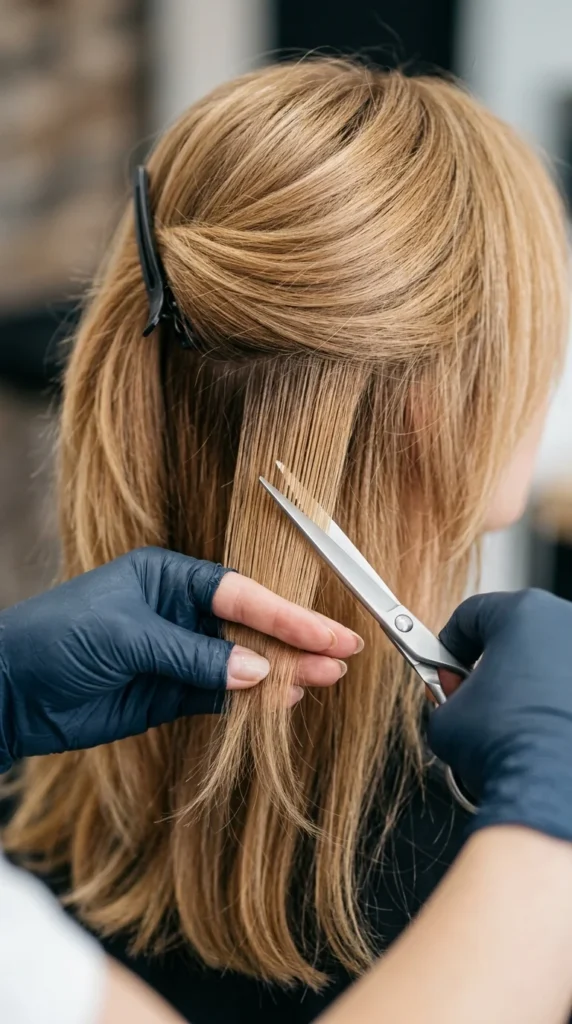
Ghost layers are the gold standard of this trend. This technique involves taking very thin sections of hair from the mid-lengths and cutting them at an angle while leaving the very top layer of the hair untouched. When you brush the hair out, the shorter “ghost” pieces push against the longer strands, creating lift from the inside out. It’s the perfect solution for anyone who wants the benefits of a shag without the shaggy appearance.
2. Internal Texture
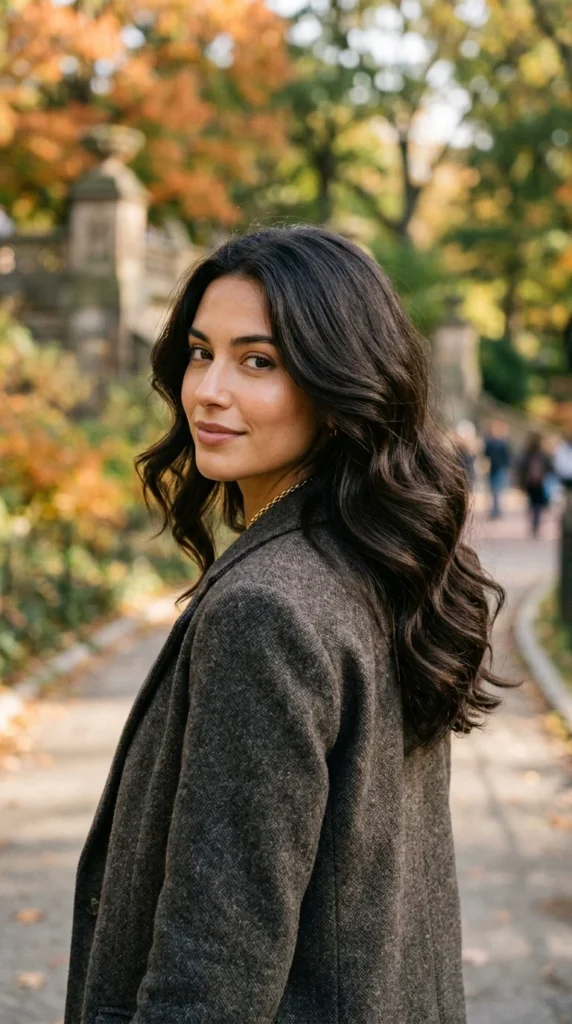
Internal texture is less about “layers” and more about “weight removal.” By using thinning shears or a sliding cut technique deep within the hair’s bulk, your stylist can create pockets of air. These pockets allow the hair to breathe and move independently. This is particularly effective for people with thick, heavy hair that usually lacks “swing.” It lightens the load while keeping the hemline looking thick and healthy.
3. The Seamless Lob

The Long Bob, or “Lob,” can sometimes look blocky if cut straight across. Adding invisible layers to a lob involves “chipping” into the ends from the underside. This prevents the “triangle hair” effect where the bottom flares out awkwardly. Instead, the hair tucks inward or flips out naturally, maintaining a sleek silhouette with hidden structural support.
4. Face-Framing Wisps
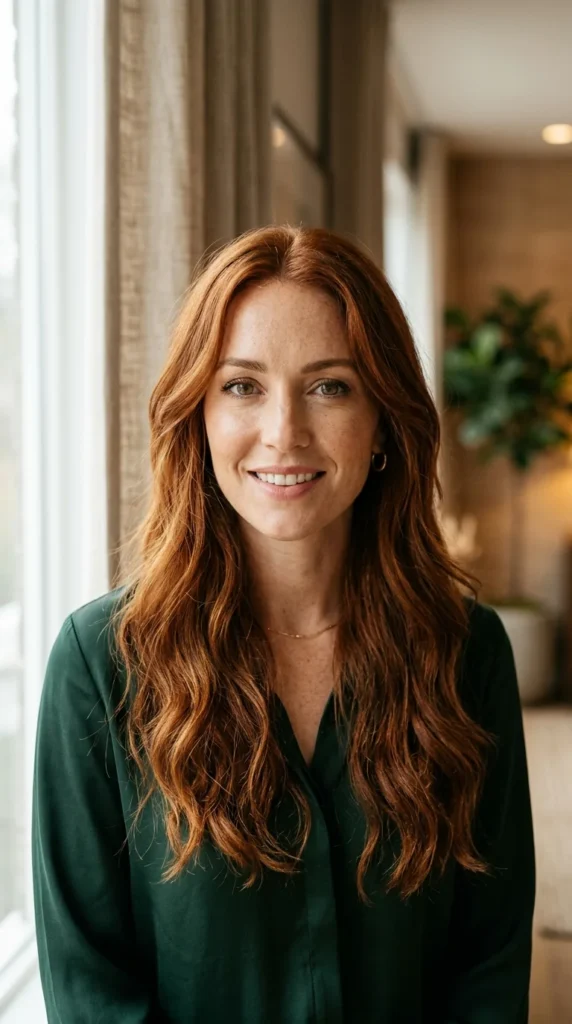
You don’t always need layers all over your head to see a difference. Invisible face-framing layers involve sliding the shears down the front sections of the hair, starting from the chin or cheekbones. These layers are cut so finely that they blend perfectly into the length. When you tie your hair up, these “wisps” fall out naturally, framing the face and adding a touch of romance to an otherwise simple style.
5. Tapered Ends
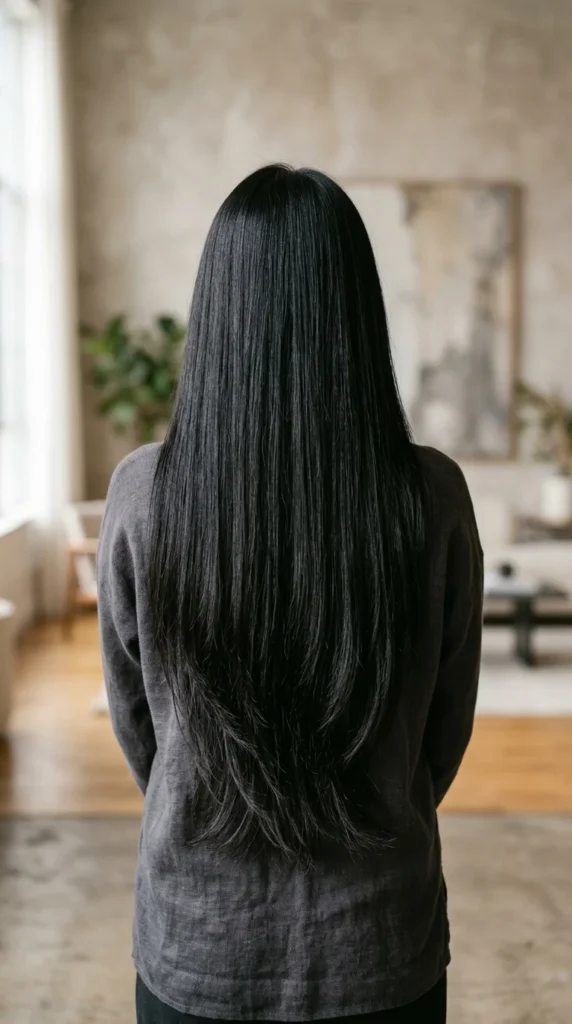
If you love your length and refuse to lose even an inch, tapered ends are your best friend. This technique focuses purely on the last two to three inches of the hair. By invisibly layering the ends, the hair loses that “heavy” look and gains a feathered lightness. It’s especially great for those who use curling irons, as the tapered ends allow curls to spiral more easily without looking clumped.
6. Crown Lift
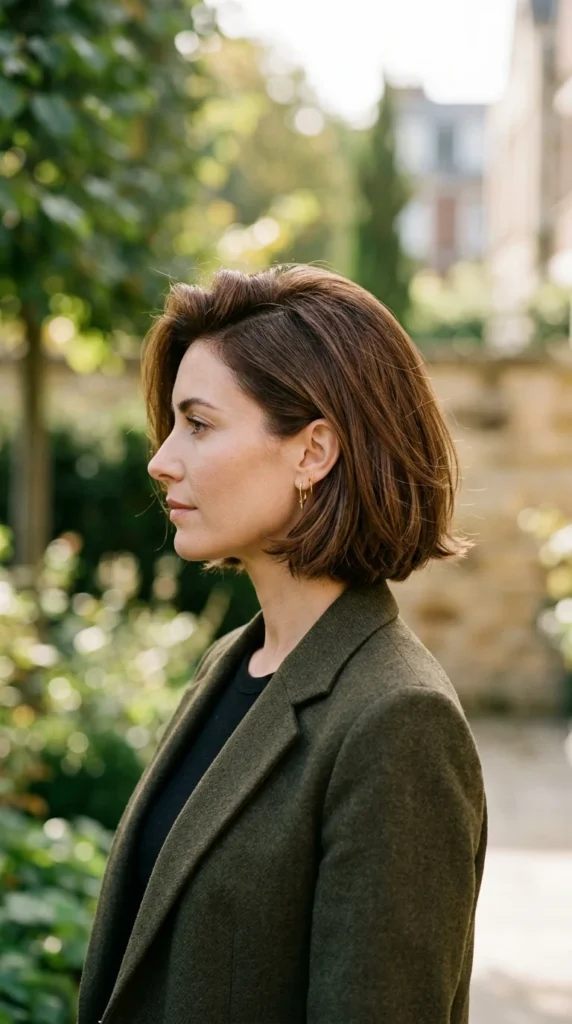
For those who struggle with flat hair at the roots, the “Crown Lift” is a game-changer. The stylist creates very short, hidden layers specifically at the crown of the head. These tiny “pillows” of hair sit underneath the top layer, propping it up and providing permanent volume that doesn’t deflate by noon. It’s like having a built-in blowout.
7. The Butterfly Ghost Cut
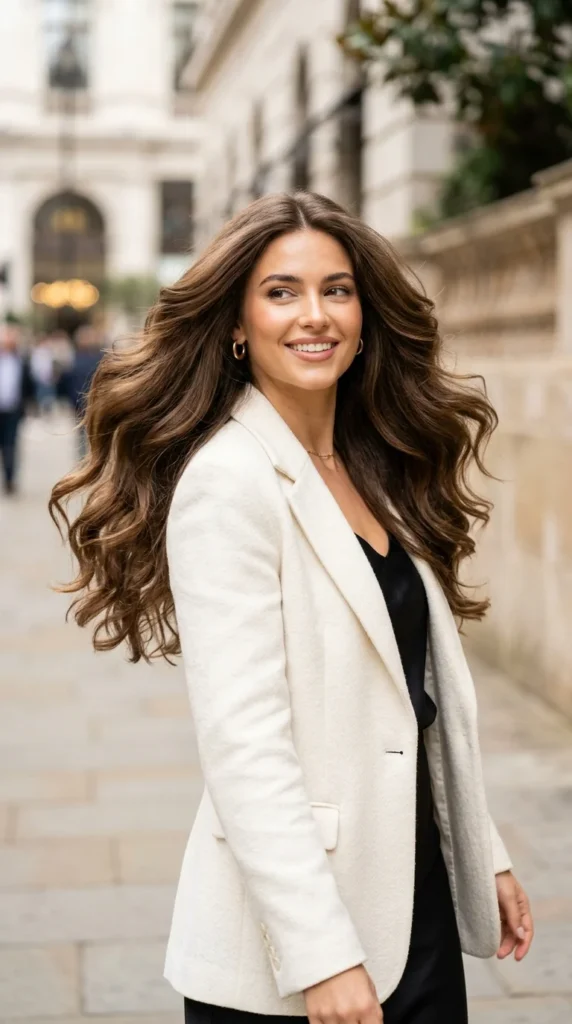
The “Butterfly Cut” is famous for its dramatic, wing-like layers, but the invisible version is much more subtle. It uses the same radial sectioning but keeps the transitions extremely soft. It’s ideal for people with wavy or curly hair who want to distribute their volume evenly rather than having it all sit at the bottom.
8. Point-Cut Perimeter
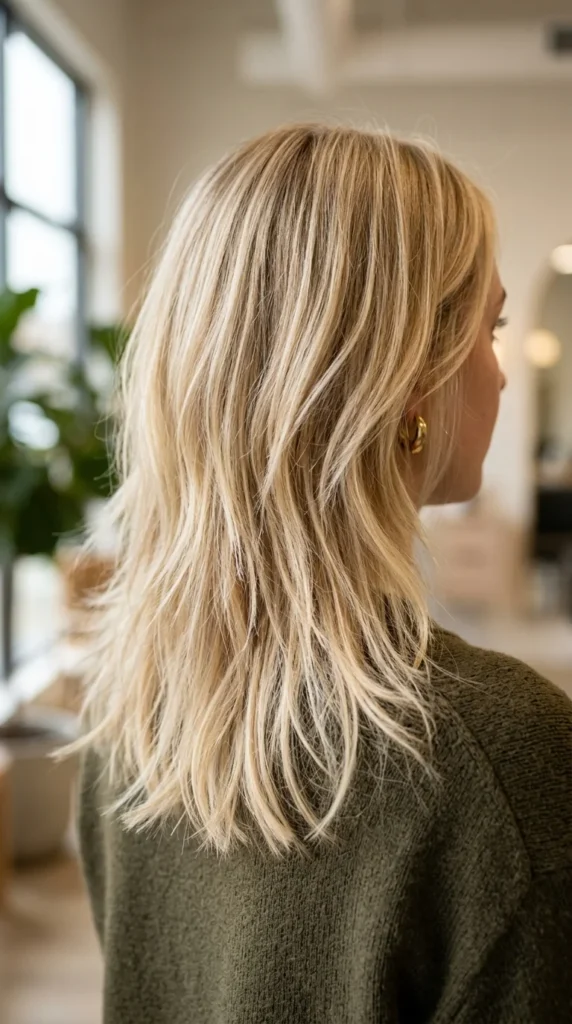
Instead of cutting a straight horizontal line, the stylist holds the shears vertically and “points” into the hair. When done as an invisible layer technique, this happens just above the hemline on the inner layers. It breaks up the density of the hair, allowing it to move with the wind rather than moving as one solid, heavy unit.
9. Sliding Mid-Layers
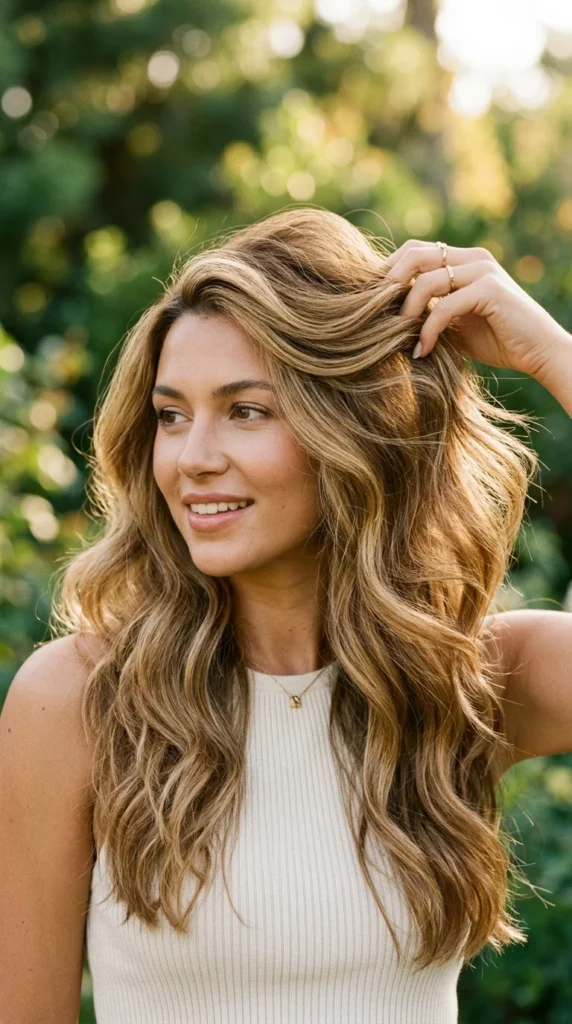
Sliding layers are created by keeping the scissors partially open and “sliding” them down the hair shaft. When done on the interior of the hair, it creates various lengths that are completely hidden. This is the ultimate “cool girl” haircut because it looks like you woke up with perfectly textured hair. It’s particularly effective on fine-to-medium hair types.
10. Under-Cut Volume
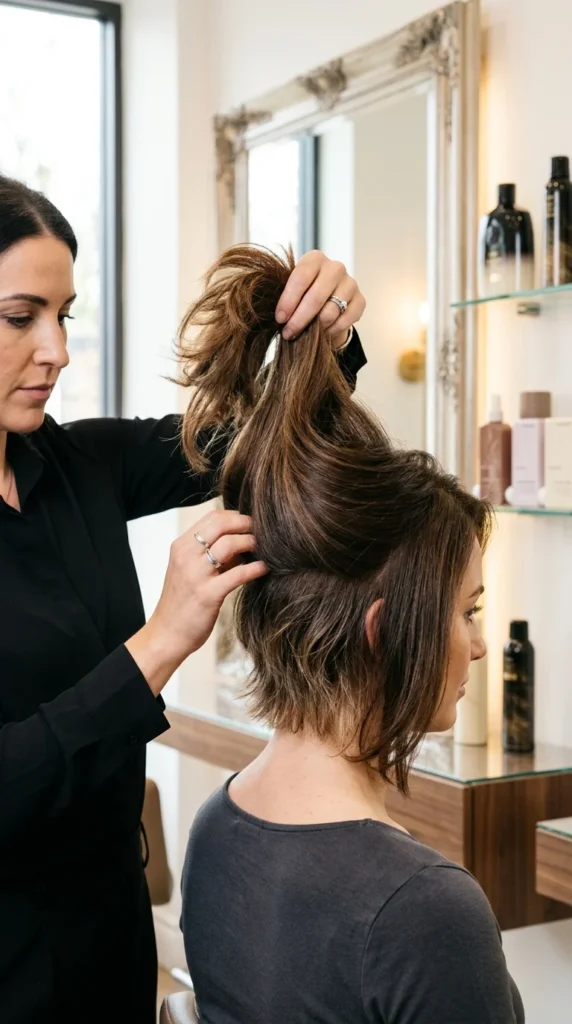
Not to be confused with a shaved undercut, this involves cutting the bottom-most layer of hair slightly shorter than the layer directly above it. This creates a “C” shape in the hair’s fall, forcing the hair to curve inward and appear much thicker than it actually is. It’s a secret weapon for those with thin hair who want a blunt look with hidden body.
11. The Air Cut
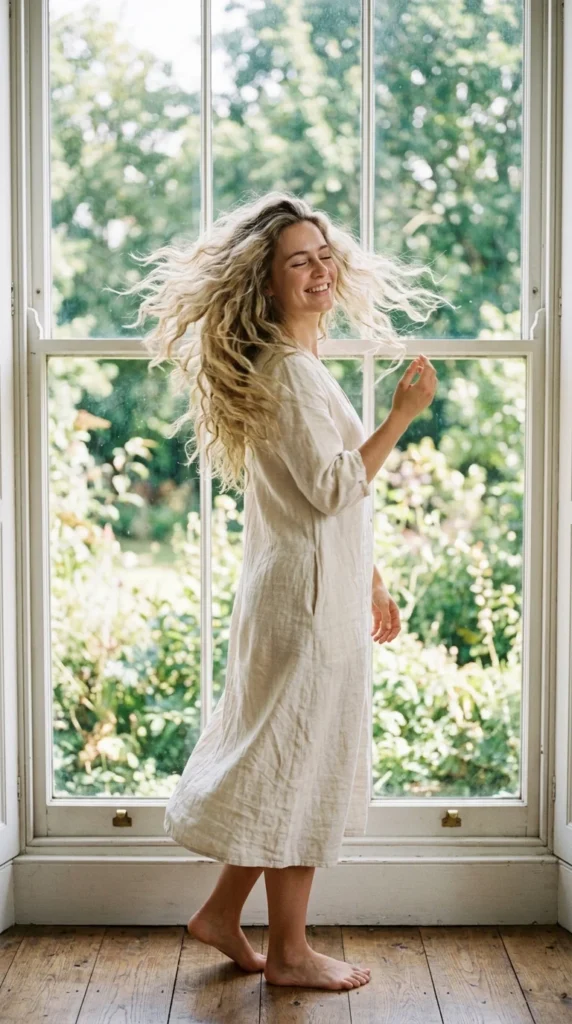
Popularized in Korean hair salons, the “Air Cut” is all about removing weight to let the hair “breathe.” The layers are so thin and strategically placed that they are virtually undetectable. The goal is to create a look that is light and ethereal. It works best on straight or slightly wavy hair that tends to look “limp” when it gets too long.
12. Soft Shag Interior
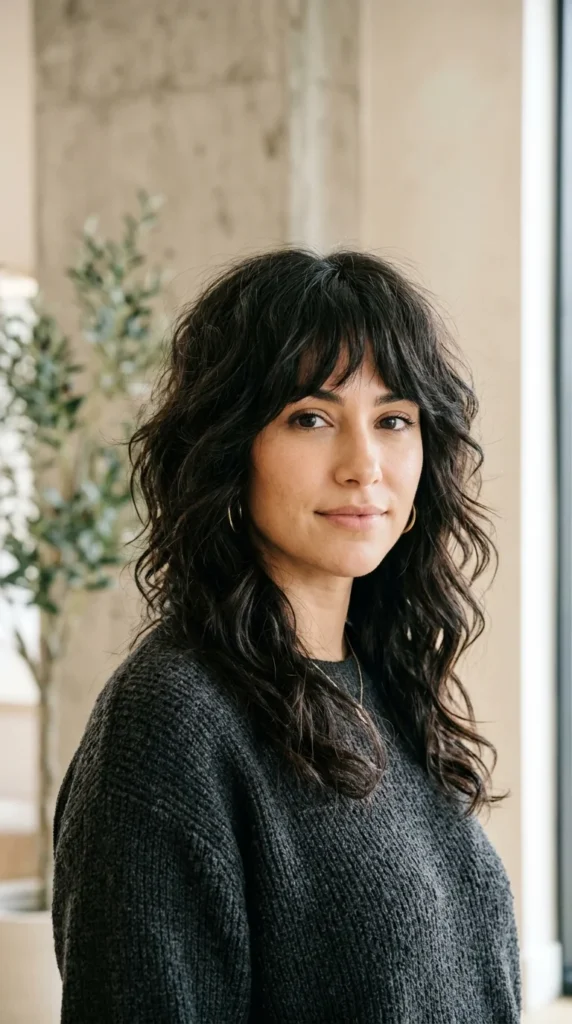
The traditional shag is all about visible layers. The soft shag uses invisible layering to give you that edgy, rock-and-roll vibe without the commitment of short choppy pieces on top. By texturizing the internal “middle” of the hair, you get the tousled, voluminous look of a shag while maintaining the appearance of a one-length cut.
13. Diagonal Slicing
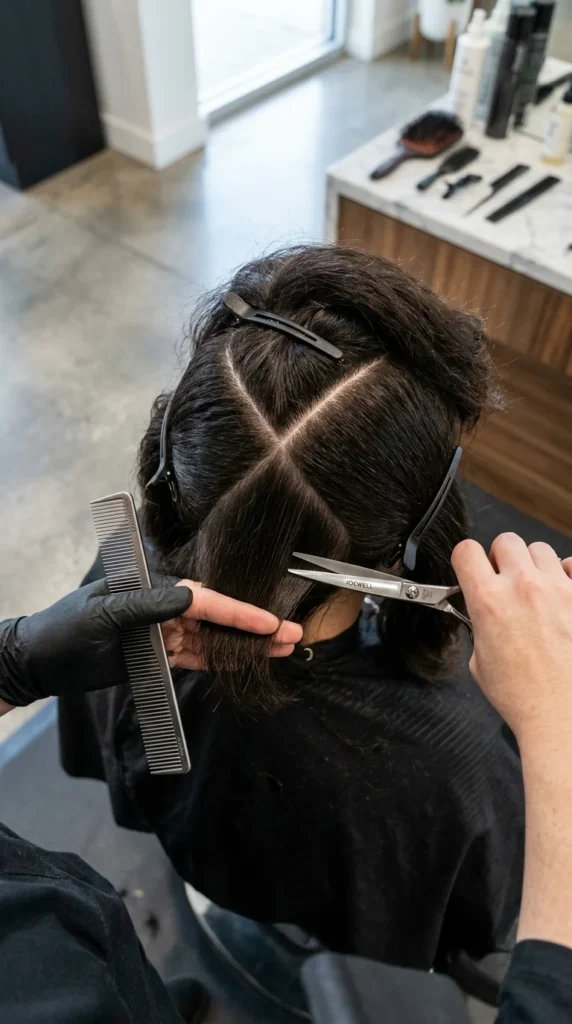
By cutting internal layers on a diagonal rather than a horizontal or vertical line, the hair follows the natural curve of the head. This results in a much more fluid movement. If you find that your hair often gets “tangled” or looks stiff, diagonal invisible layers will help the strands glide over each other, creating a liquid-like motion.
14. Dimensional Curved Layers
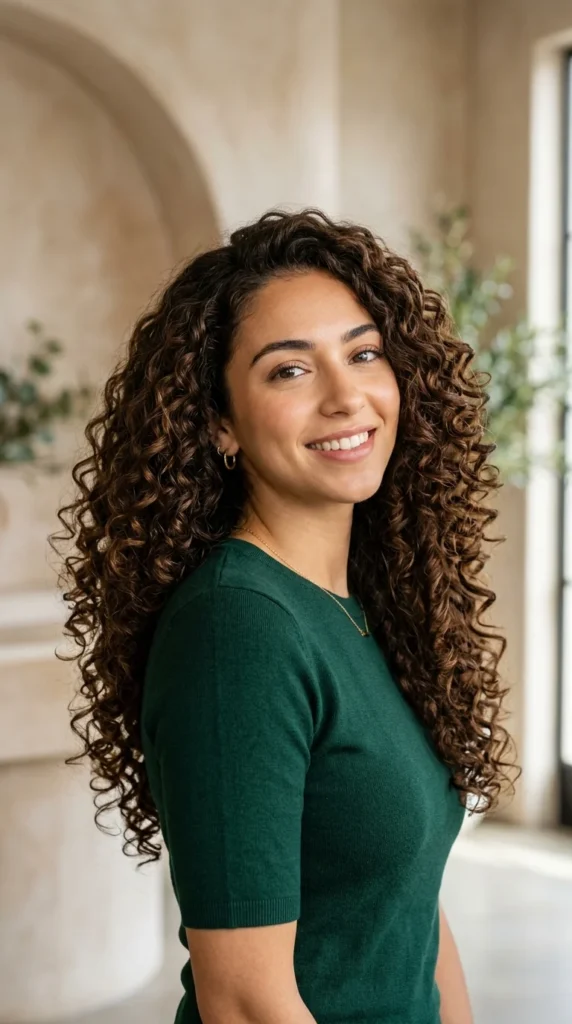
For the curly-haired community, invisible layers are essential for avoiding the dreaded “triangle” shape. Dimensional curved layers are cut into the curl pattern itself, removing weight from the “bend” of the curl. This allows the curls to spring up and find their natural shape without being weighed down by the hair above them. It adds volume to the roots and mid-lengths where curly hair often goes flat.