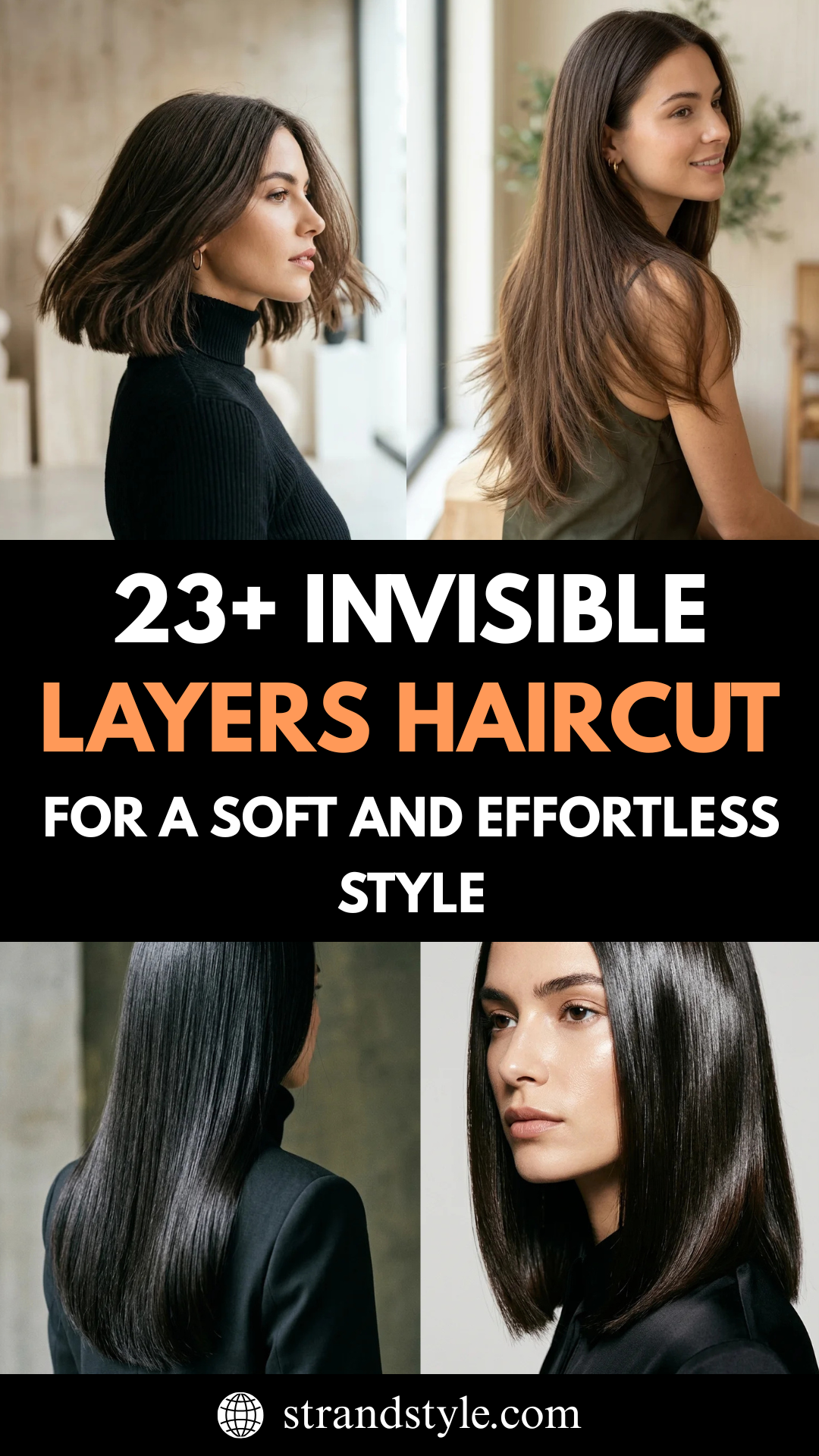
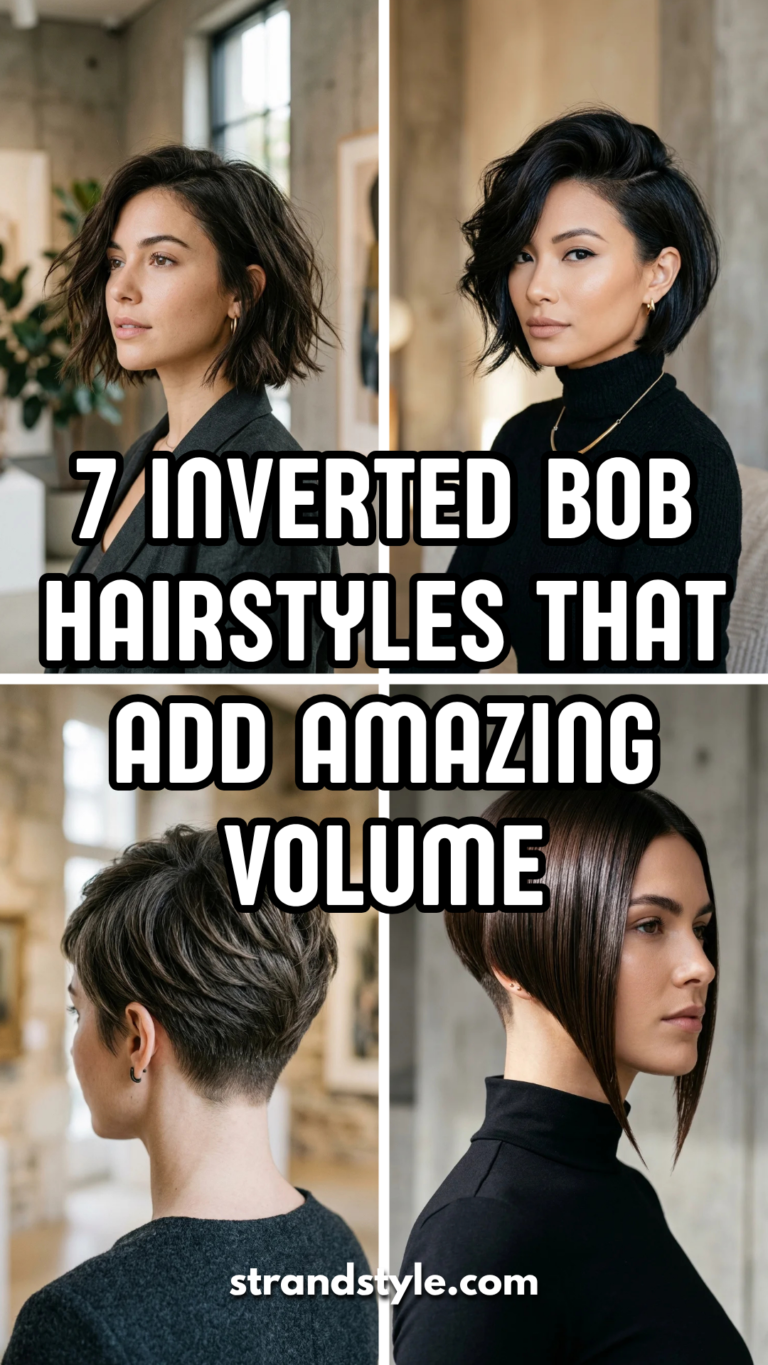
The inverted bob remains one of the most requested haircuts in salons worldwide, and for good reason. Unlike the traditional bob, which features a uniform length, the inverted bob—also known as a graduated bob—is characterized by a shorter back and longer front. This structural contrast creates an architectural shape that naturally pushes the hair upward and outward, offering an instant solution for those struggling with flat or fine hair.
When executed correctly, this cut uses the weight of the longer front pieces to provide a sleek frame for the face, while the “stacked” layers at the back provide a foundation of height. Whether you prefer a subtle transition or a dramatic, sharp angle, the inverted bob is highly customizable. Here are seven specific variations of the inverted bob designed to maximize volume and breathe new life into your hair.
1. Stacked Layers
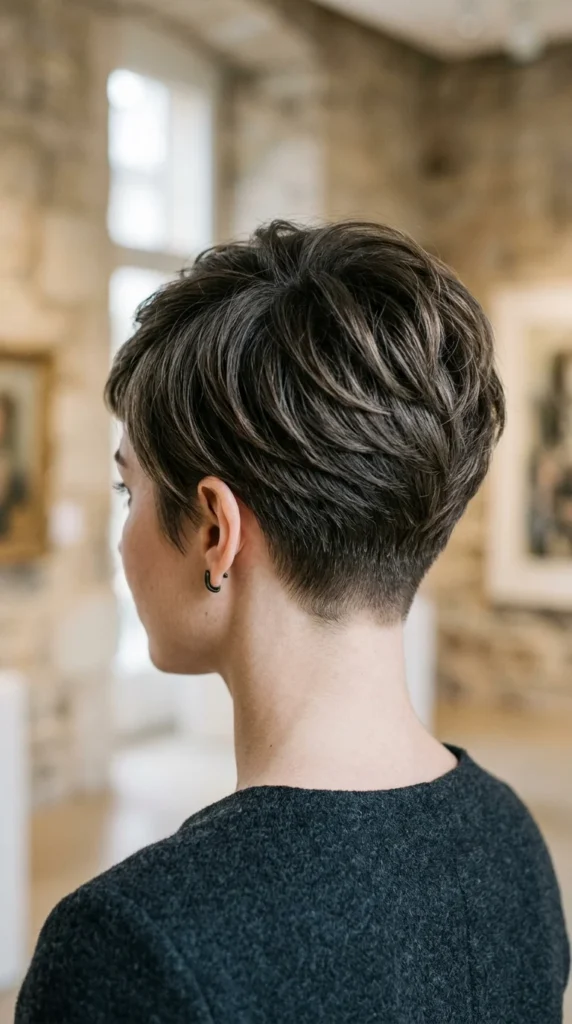
The cornerstone of the voluminous inverted bob is the “stacked” technique. In this variation, the stylist cuts very short, precise layers at the nape of the neck. Each subsequent layer on top is slightly longer than the one beneath it. This creates a literal “stack” of hair that supports the top layers, forcing them to sit higher.
This style is particularly effective for those with fine hair because it creates the illusion of density. Because the hair is cut so short at the back, it loses the weight that usually pulls hair flat against the scalp. To style this look, a small round brush is used during the blow-drying process to curl the stacked layers inward, further emphasizing the rounded, pillowy silhouette of the crown.
2. Choppy Ends

If you want volume without the polished “pageboy” look, choppy ends are the way to go. Instead of a blunt, straight line, the stylist uses shears or a razor to thin out the ends and create varying lengths throughout the bottom of the cut. This deconstructed approach breaks up the weight of the hair, allowing individual sections to move independently.
Choppy ends add a “shaggy” quality to the inverted bob, which is excellent for creating a messy, “just-woke-up” volume. This style works best with a sea salt spray or a dry texturizing spray. By ruffling the hair with your fingers while styling, you can expand the shape of the cut, making it appear much fuller and wider than it actually is.
3. Wavy Texture

Straight hair can sometimes emphasize the thinness of a cut, but adding waves to an inverted bob creates immediate horizontal volume. The graduation of the cut—where it is shorter in the back—ensures that the waves don’t become too heavy or “bottom-heavy.” Instead, the waves sit neatly on top of one another.
When styling a wavy inverted bob, the goal is to create “S” shapes throughout the mid-lengths. This pushes the hair away from the face and adds a three-dimensional quality. The shorter back ensures that the waves at the nape don’t get tangled or weighed down, keeping the “lift” consistent from the back of the head all the way to the front tendrils.
4. Angled A-Line
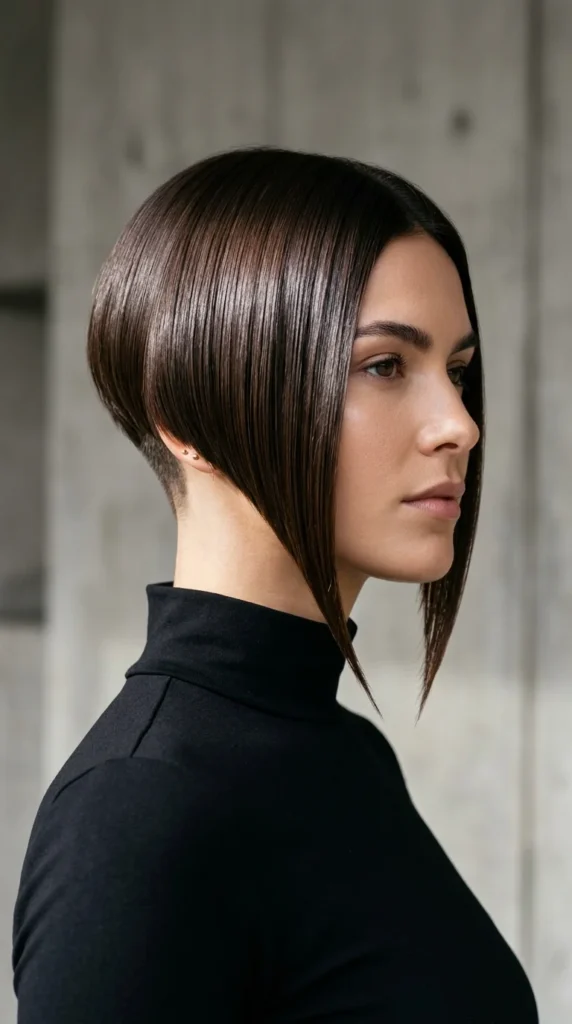
The angled A-line is the most dramatic version of the inverted bob. While “inverted” and “A-line” are often used interchangeably, a true angled A-line focuses on the sharp slope from the back to the front. This steep angle creates a visual sense of depth.
The volume in this style is concentrated at the crown. Because the front is so much longer than the back, it creates a “swing” effect. When you move your head, the hair has a bounce and fluidity that makes it appear thicker. For the best results, this style should be blow-dried with a volumizing mousse at the roots to ensure the crown doesn’t fall flat against the sharp perimeter of the cut.
5. Fringe Accent

Adding a fringe (bangs) to an inverted bob is a strategic move for those wanting more “face-forward” volume. While the back of the bob handles the height, a thick fringe adds mass to the front of the style. This is especially beneficial for individuals with long or heart-shaped faces, as it balances the proportions.
A blunt fringe or “curtain bangs” can be styled with a large round brush to create a “C” curve. This curve adds another layer of dimension to the hair. By taking hair that would normally hang flat at the sides and bringing it forward into a fringe, you are concentrating the hair’s density in a way that makes the entire hairstyle feel more substantial and lush.
6. Side Part
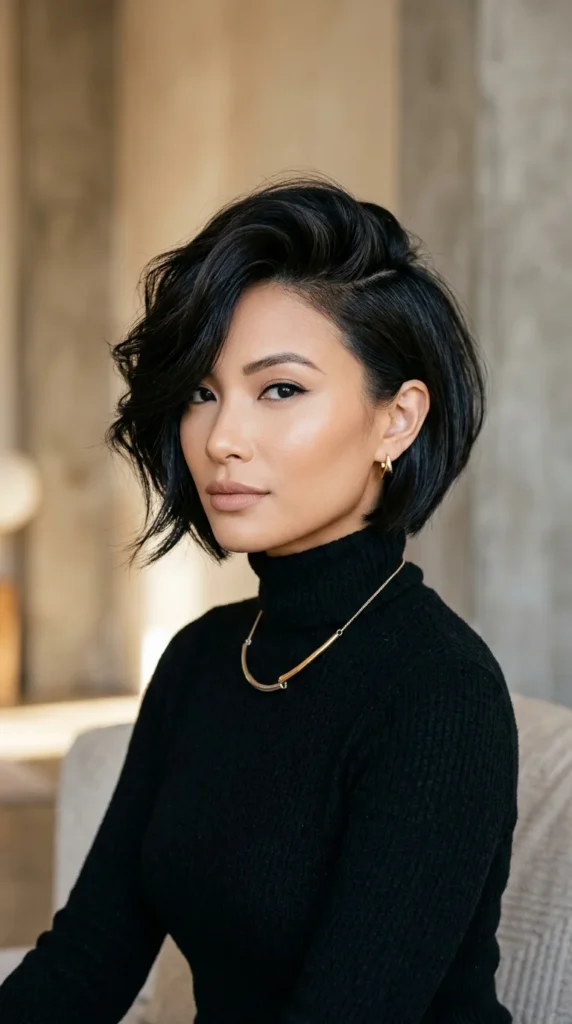
Changing your part is the easiest way to manipulate volume without using a single pair of scissors, but it works exceptionally well with the architecture of an inverted bob. A deep side part shifts the bulk of the hair to one side, creating an asymmetrical mound of volume that defies gravity.
The “over-direction” of the hair across the scalp forces the roots to stand up. When combined with the graduated layers of an inverted bob, this creates a dramatic, glamorous look. It breaks up the symmetry of the face and draws the eye upward, emphasizing the lift at the roots. A bit of root-lift powder or dry shampoo at the parting line can help maintain this height throughout the day.
7. Bouncy Curls
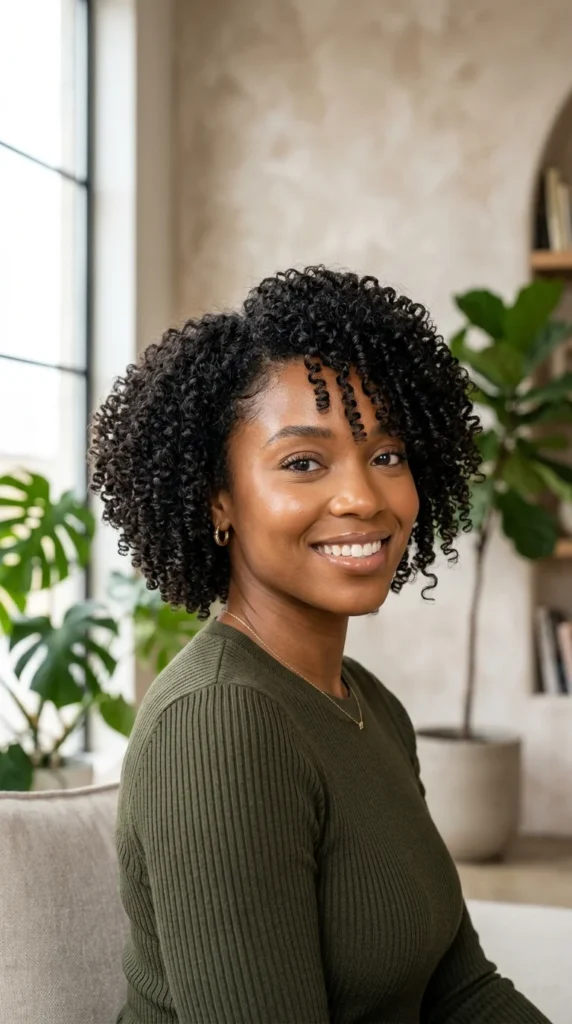
For those with naturally curly hair, the inverted bob is a “miracle cut.” Curls often suffer from the “triangle effect,” where the weight of the hair pulls the top flat while the bottom puffs out. The inverted bob solves this by removing the bulk from the bottom (at the nape) and allowing the curls to stack vertically.
The result is a rounded, incredibly voluminous shape that looks effortless. The natural spring of the curls works in tandem with the layers to create a 360-degree volume that doesn’t require much styling. Using a diffuser when drying will help to set the curls in their upward-reaching position, ensuring the back of the head maintains its signature “pop” of volume.
Styling Tips for Maximum Volume
To keep your inverted bob looking its best, consider these expert maintenance tips:
- The Blow-Dry Technique: Always blow-dry your hair upside down until it is about 70% dry. This encourages the roots to dry away from the scalp. Finish with a round brush, pulling the hair upward toward the ceiling rather than downward toward the floor.
- Product Layering: Start with a lightweight volumizing mousse on damp hair. Once dry, use a texturizing spray or a light hairspray to “lock” the layers in place. Avoid heavy oils or waxes, as these can weigh down the delicate layers in the back.
- Regular Trims: An inverted bob relies on precision. To keep the volume at its peak, you should visit your stylist every 6 to 8 weeks to maintain the “stack” at the back. Once the back grows too long, the weight will begin to pull the crown flat.