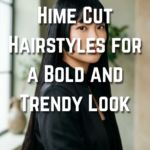
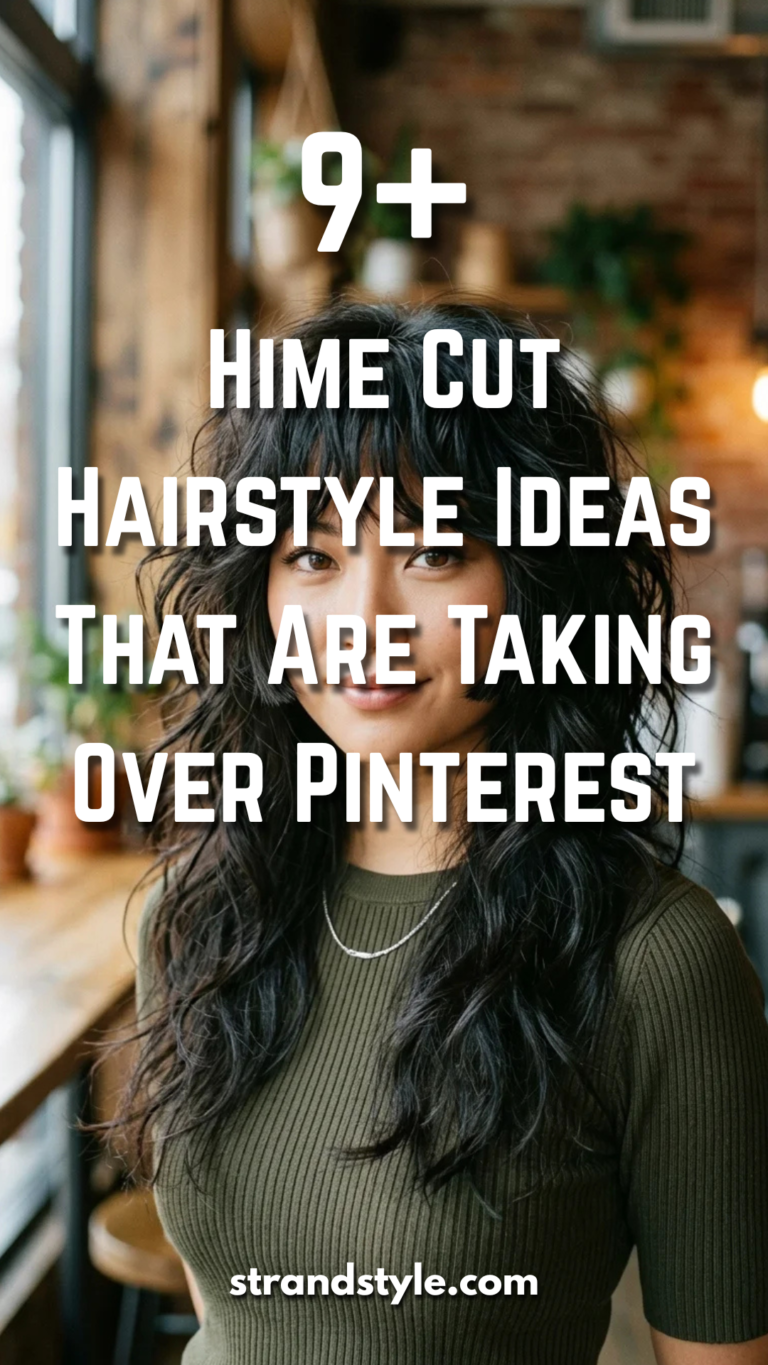
The “Hime” or princess cut is no longer just a relic of the Japanese Heian period or an anime trope. It has officially transitioned into the mainstream, dominating Pinterest boards and TikTok feeds alike. Characterized by its distinct three-level structure—straight bangs, cheek-length side pieces, and long hair in the back—this style offers a unique blend of high-fashion edge and doll-like elegance.
Whether you are looking for a dramatic transformation or a subtle nod to the trend, these nine hime cut variations are currently leading the beauty zeitgeist.
1. Classic Straight
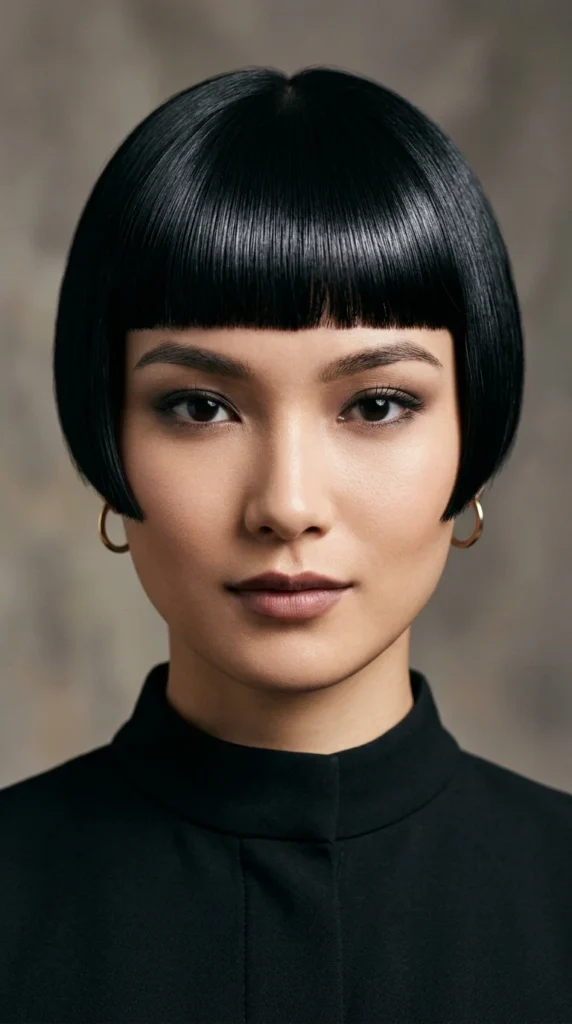
The classic iteration of the hime cut is all about precision. This look requires pin-straight hair to emphasize the sharp, geometric lines that define the style. Historically worn by noblewomen in Japan, the modern “Classic Straight” version is often paired with “glass hair” techniques to achieve a high-shine finish. It is the ultimate choice for those who want a bold, architectural frame for their face.
- Best for: Heart and oval face shapes.
- Styling Tip: Use a flat iron and a weightless shine spray to keep the lines crisp and the flyaways at bay.
2. Short Bob
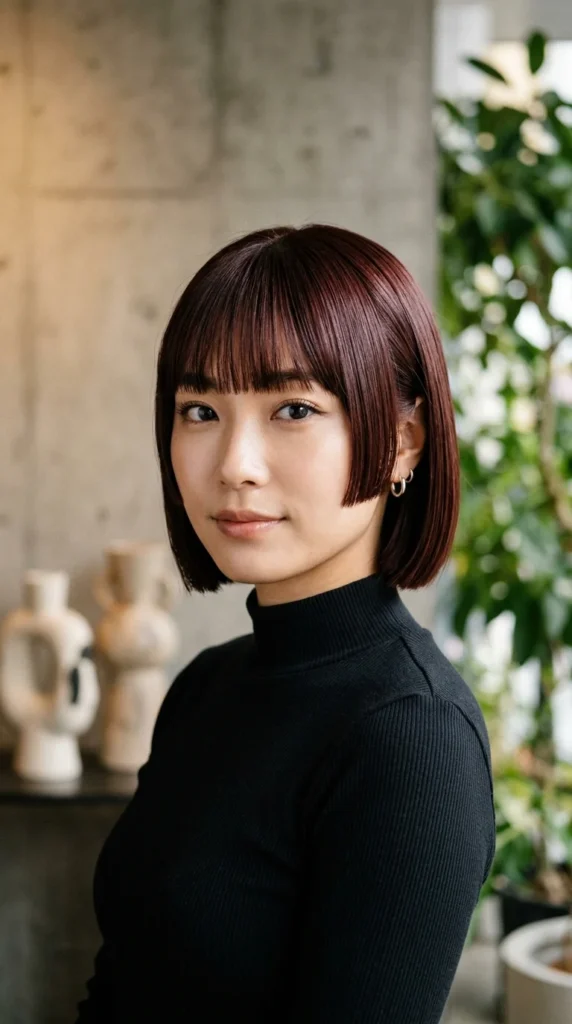
Who says the hime cut requires long tresses? The “Short Bob Hime” is a contemporary twist that merges the French bob with Japanese aesthetics. By keeping the overall length at the jawline and the hime sidelocks slightly shorter (around the cheekbones), you create a multi-dimensional look that adds volume and interest to short hair. This version is particularly popular among those who prefer a “low-maintenance edgy” vibe.
- Best for: Square face shapes, as the layers help soften the jawline.
- Styling Tip: Blow-dry with a round brush to give the ends a slight inward tuck.
3. Wolf Cut Hime
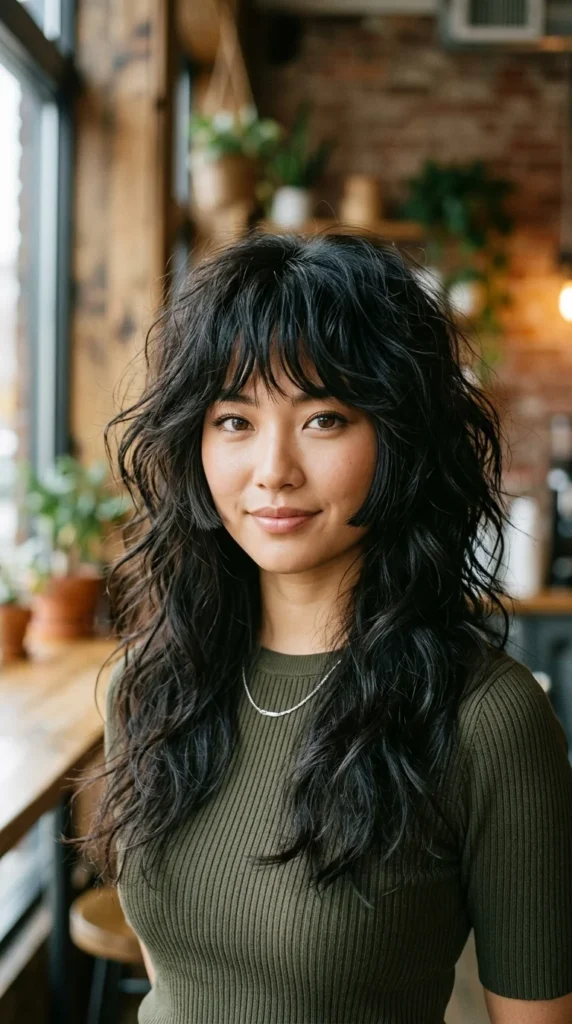
The “Wolf Cut” and the “Hime Cut” are two of the biggest hair trends of the decade, so it was only a matter of time before they merged. The result is a rebel-chic aesthetic that balances the bluntness of the hime pieces with the shaggy, wild layers of a mullet or wolf cut. This hybrid style is perfect for those who find the traditional hime cut too “stiff” and want something with more movement and “cool-girl” energy.
- Best for: Those with natural waves or anyone looking for a high-volume look.
- Styling Tip: Use a sea salt spray or texturizing mousse to enhance the “messy” layers.
4. Pastel Hime
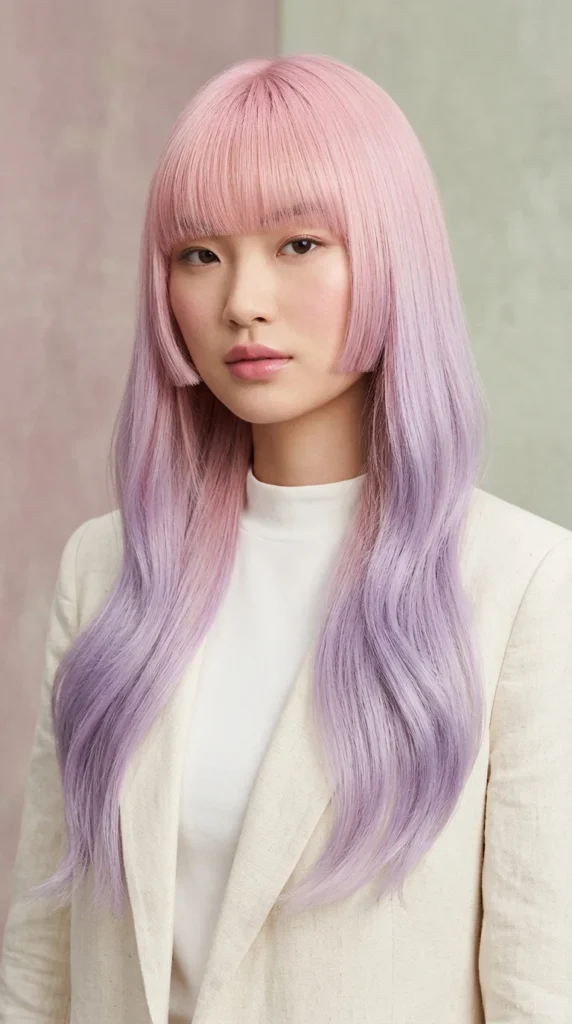
If you want to lean into the “fairy-core” or “e-girl” aesthetic, adding a wash of pastel color to your hime cut is the way to go. Pinterest is currently flooded with hime cuts in shades of lavender, baby blue, and mint green. The blunt lines of the cut create a beautiful canvas for color gradients or “split-dye” jobs, making the hair look almost like a piece of wearable art.
- Best for: Fairer skin tones and those who enjoy experimental fashion.
- Styling Tip: Use color-safe, sulfate-free shampoos to prevent the delicate pastel shades from fading.
5. Curly Texture
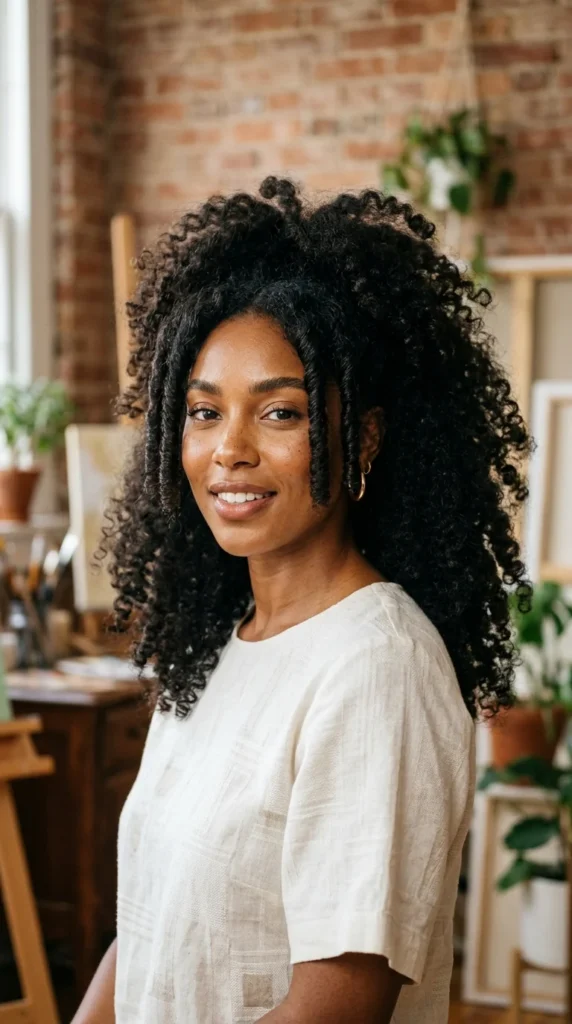
For a long time, the hime cut was thought to be exclusive to straight hair. However, the “Curly Hime” has debunked that myth. When applied to curls, the blunt sidelocks create a beautiful, face-framing effect that highlights the eyes. The contrast between the structured front and the soft, organic texture of the curls in the back creates a stunning visual balance that is both modern and romantic.
- Best for: Curly and coily hair types.
- Styling Tip: Use a curl-defining cream on the sidelocks while they are damp to ensure they maintain their shape as they dry.
6. Micro Bangs
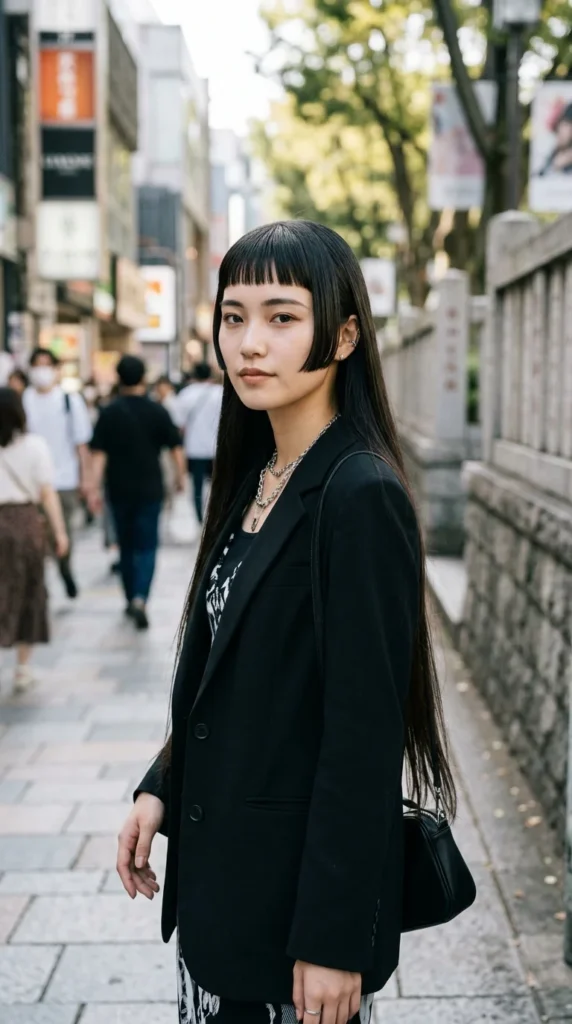
For the truly daring, the “Micro Bang Hime” offers a futuristic, high-fashion look. By shortening the traditional fringe to sit well above the eyebrows, you open up the face and put a heavy emphasis on your features. This look is often seen on runways and in avant-garde editorial shoots. It’s a polarizing style that rewards confidence.
- Best for: People with smaller foreheads or those who want to showcase their eyebrows.
- Styling Tip: Keep a small comb and a light-hold hairspray handy to keep the micro bangs from separating.
7. Layered Hime
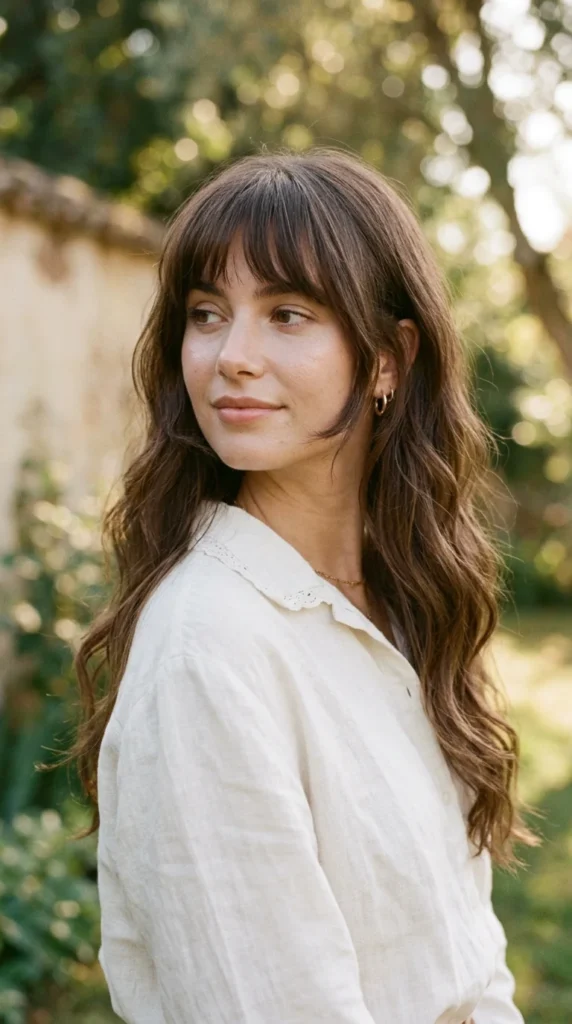
If the starkness of the classic hime cut feels a bit too intense, the “Layered Hime” offers a softer entry point. Instead of one solid length in the back, the hair is cut into cascading layers. The sidelocks are still blunt, but they are often feathered slightly at the very edges to blend more seamlessly into the rest of the hair. This version provides a more “ethereal” and less “geometric” appearance.
- Best for: Thick hair, as the layers help remove some of the weight.
- Styling Tip: Use a large barrel curling iron to add soft waves to the back layers for a romantic finish.
8. Peek-a-boo Color
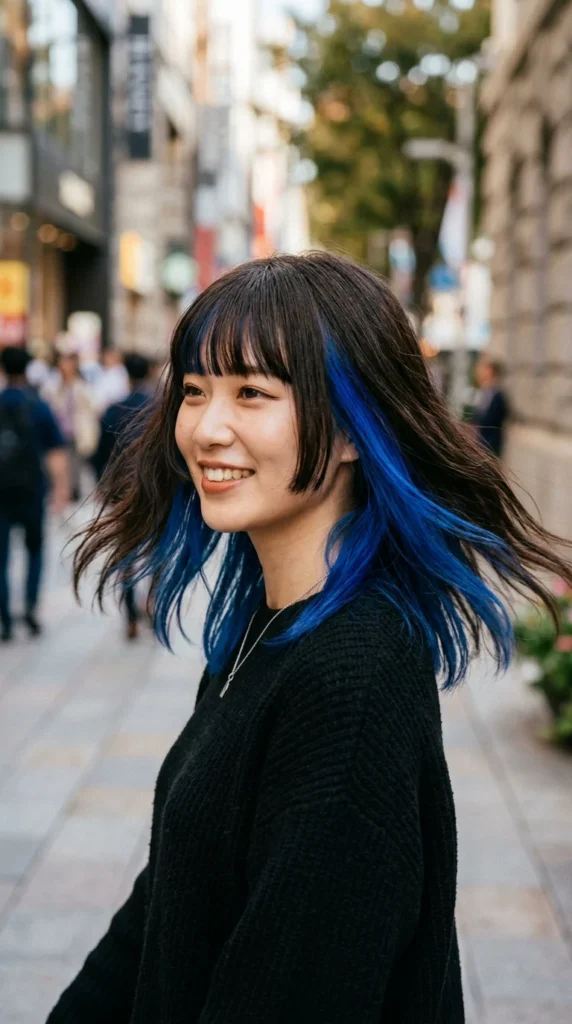
The “Peek-a-boo” or “Hidden Color” hime cut is all about the element of surprise. The top layer of the hair remains a natural shade, while the underside—specifically the inner part of the hime sidelocks—is dyed a contrasting neon or bright color. This is a fantastic way to experiment with color without committing to a full-head dye job, and it looks particularly striking when you tuck the sidelocks behind your ears.
- Best for: Students or professionals who need a “hidden” way to express their style.
- Styling Tip: Half-up, half-down hairstyles are the best way to show off the hidden colors.
9. Braided Details
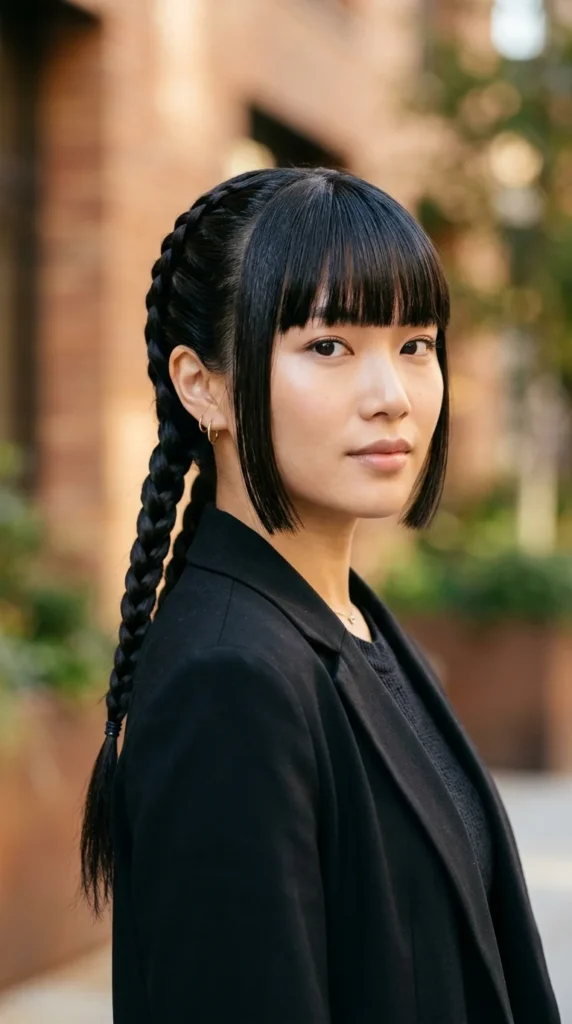
The hime cut is surprisingly versatile when it comes to updos and braids. The “Braided Hime” involves braiding the long back sections of the hair while leaving the blunt front pieces entirely loose. This creates a fascinating silhouette that looks both traditional and futuristic. It is a favorite on Pinterest for music festivals and “cottagecore” themed photography.
- Best for: Long hair that can be easily manipulated into braids.
- Styling Tip: Apply a small amount of hair oil to the sidelocks to keep them looking sleek and separate from the braids.