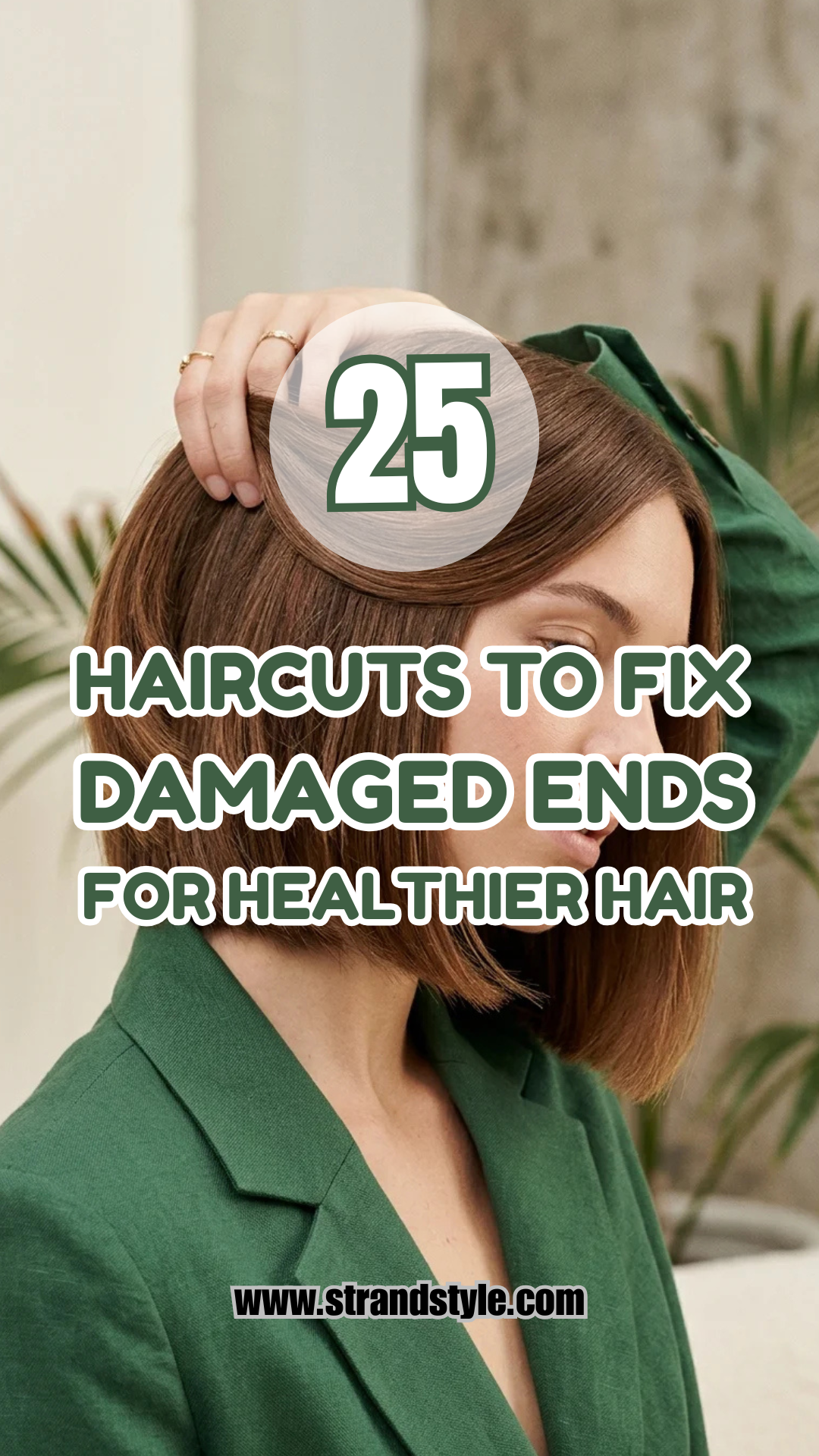
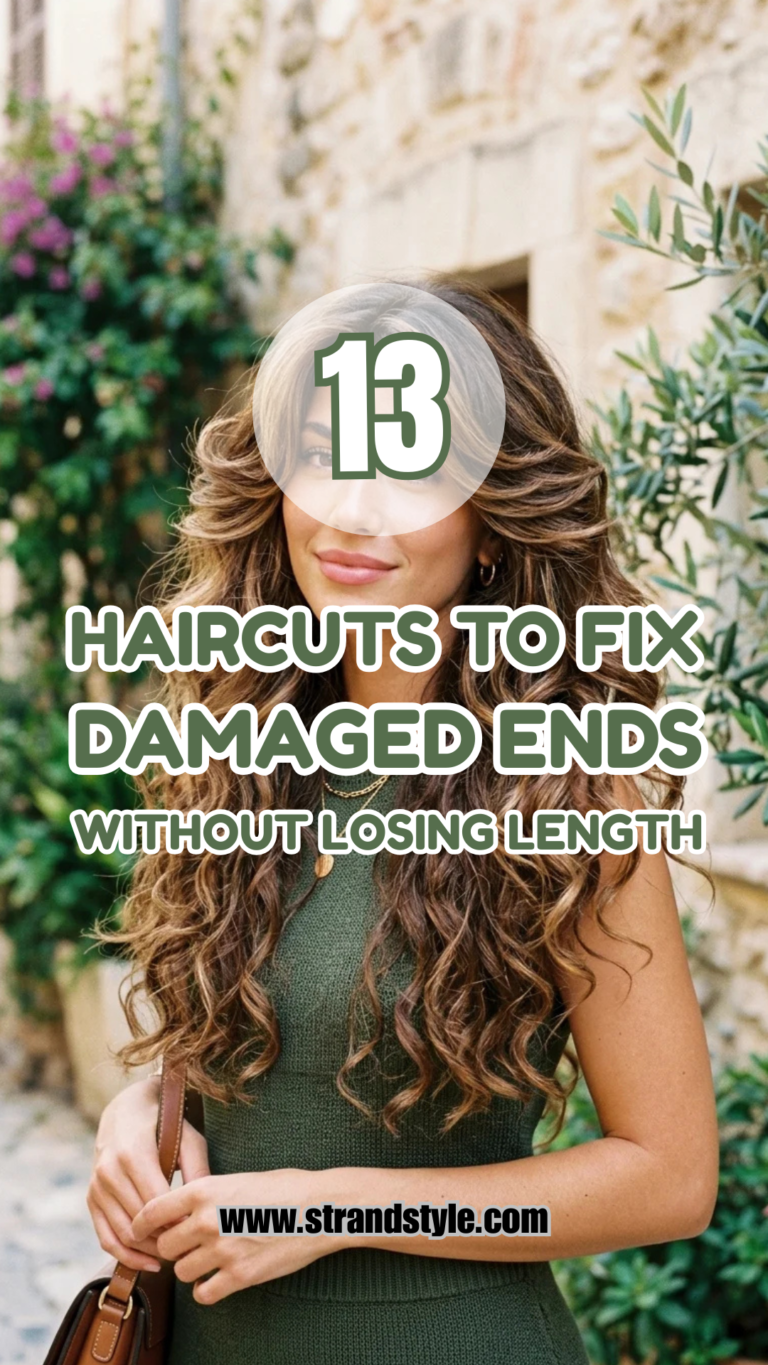
The ultimate hair dilemma is a tale as old as time: you want to grow your hair to Rapunzel-like lengths, but your ends have other plans. Between heat styling, environmental stressors, and chemical treatments, the tips of our hair often bear the brunt of the damage, leading to the dreaded “fried” look. Traditionally, the solution was a blunt chop, sacrificing months of growth for the sake of health.
However, modern hairdressing has evolved. You no longer have to choose between length and vitality. With the right technique, a skilled stylist can surgically remove the damage while preserving every precious inch of your length. Here are 13 innovative haircuts and techniques designed to revive your hair without the “big chop.”
1. Ghost Layers
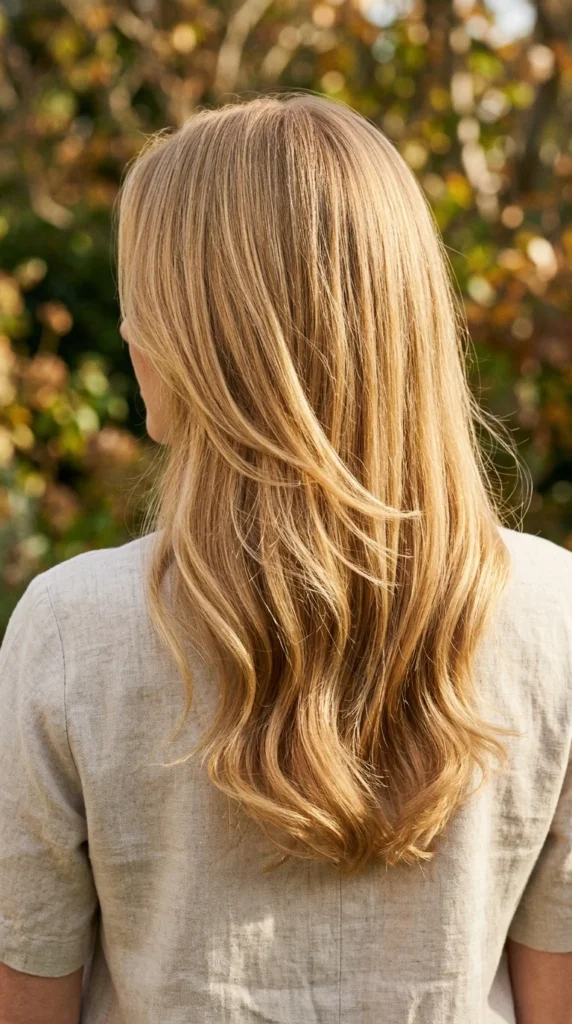
Ghost layers are the secret weapon for anyone who loves the look of a blunt cut but needs to get rid of damaged weight. This technique involves creating very thin, “invisible” layers throughout the interior of the hair. By cutting these layers slightly shorter than the top canopy, the stylist removes split ends hidden deep within the hair’s bulk. The result is hair that looks long and uniform on the outside but feels significantly lighter and healthier on the inside.
2. Dusting
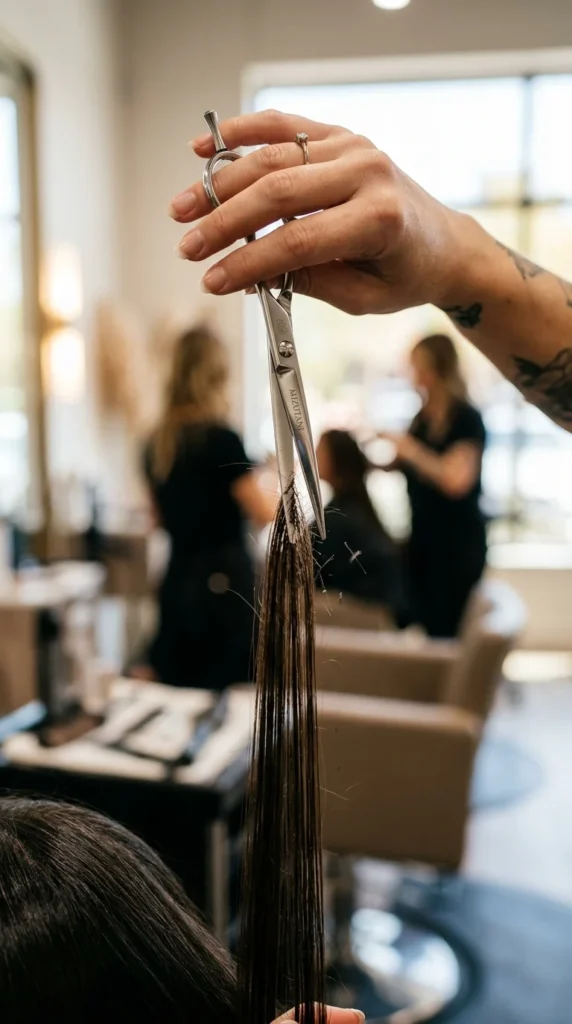
Hair dusting is less of a “style” and more of a maintenance miracle. Unlike a traditional trim where the stylist cuts across the bottom, dusting involves “scanning” the lengths of the hair. The stylist twists small sections of hair and snips off only the split ends that pop out from the strand. It literally removes the “dust” or the frayed bits without touching the baseline of your hair. It’s the perfect solution for those who are terrified of the scissors.
3. The Butterfly
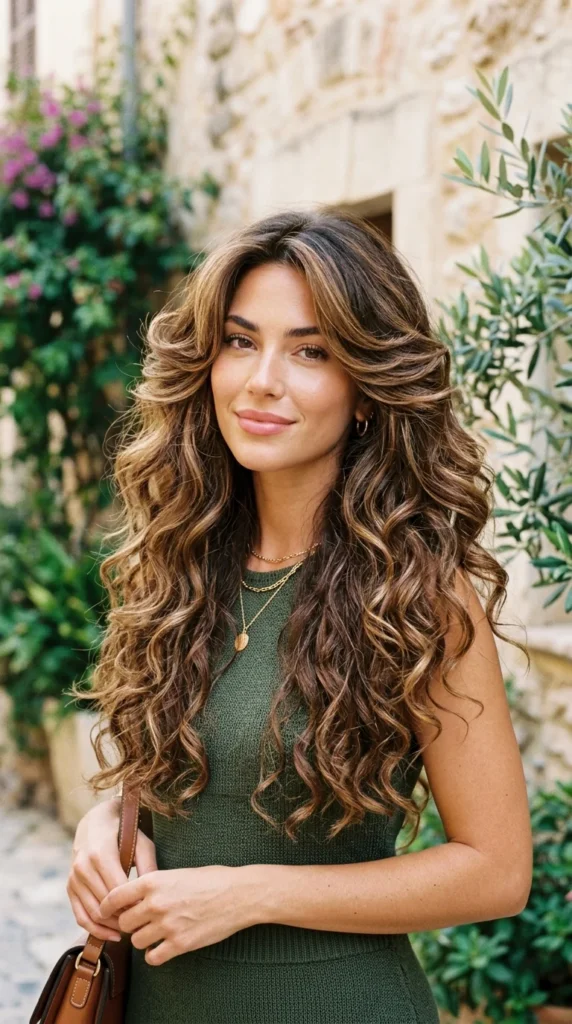
The Butterfly cut has taken the beauty world by storm because it offers the illusion of a short haircut while keeping the length fully intact. By creating heavy layers around the face and the crown, the stylist can remove significant damage from the areas that usually see the most heat styling. These shorter layers cascade over the longer bottom sections, giving you incredible volume and a fresh start for your most visible strands.
4. Internal Layering
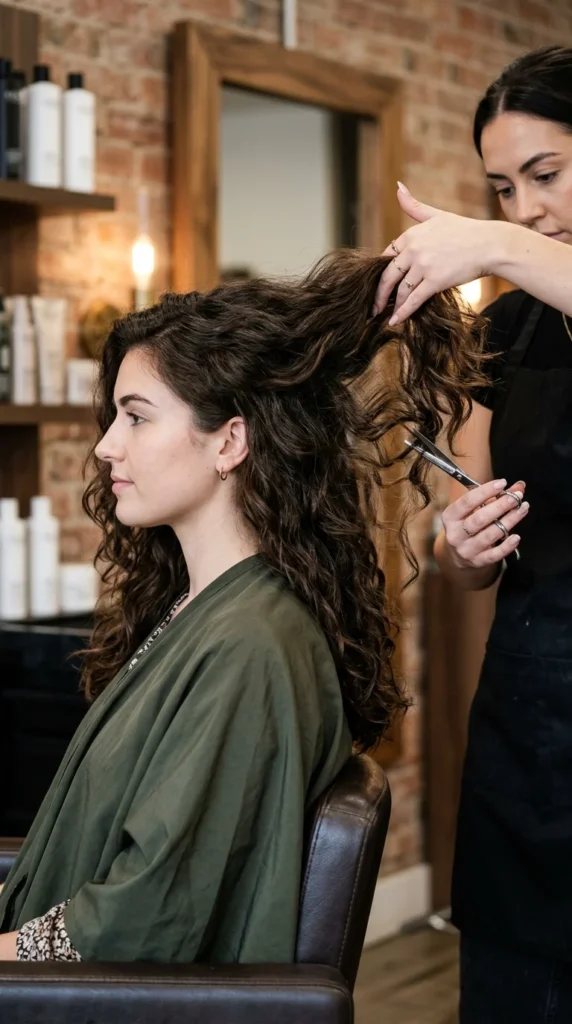
If your hair feels heavy, matted, or tangles easily at the ends, internal layering is your best friend. This technique focuses on thinning out the hair from the inside. By strategically removing damaged bits from the middle sections of the hair, the stylist reduces the friction that causes further breakage. The exterior remains long and luscious, but the overall “fabric” of your hair becomes much more manageable.
5. Micro-Trim
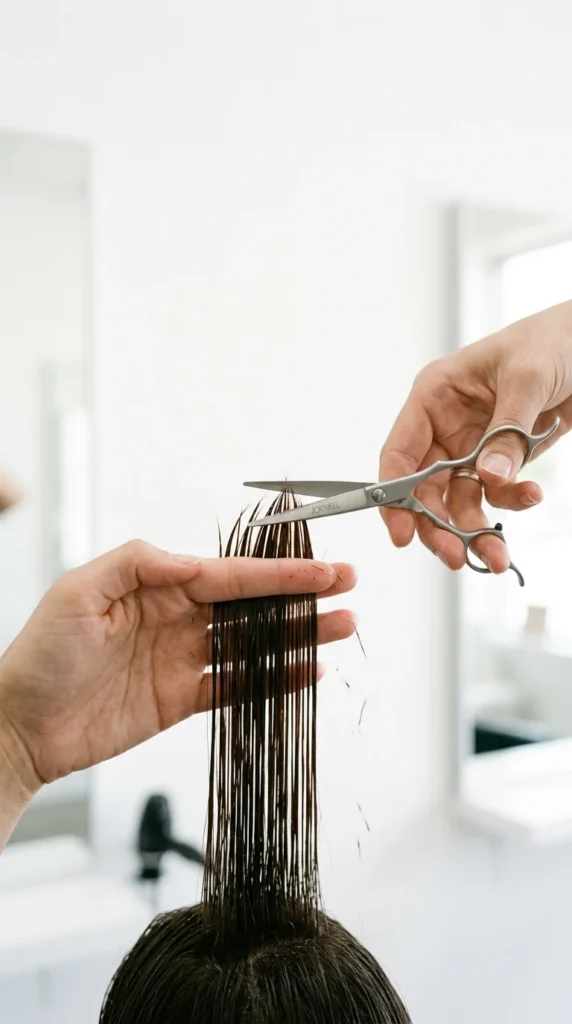
Sometimes, the simplest solution is the most effective. A micro-trim involves taking off a literal sliver of hair—usually an eighth or a quarter of an inch—every six to eight weeks. This proactive approach stops split ends in their tracks before they have a chance to travel up the hair shaft. By being consistent with micro-trims, you can actually grow your hair longer over time because you aren’t forced to cut off three inches of “dead weight” later on.
6. The U-Cut
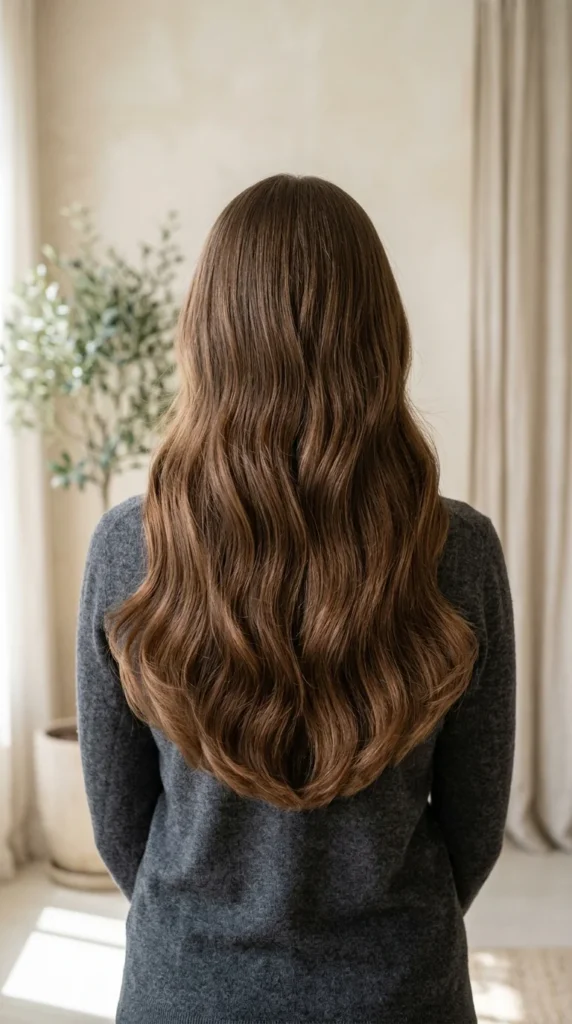
A blunt, straight-across cut can often highlight damaged ends, especially if the hair is thinning. The U-Cut involves shaping the hair so that it is slightly shorter on the sides and longest in the center back. This rounded shape removes the oldest, most fragile hair around the face and shoulders—where breakage is most common—while keeping the “tail” of the hair at its maximum length. It creates a soft, feminine silhouette that looks intentionally healthy.
7. Face-Framing Layers

The hair around our face is often the most damaged due to constant touching, tucking behind ears, and concentrated heat from blow-drying or flat-ironing. Face-framing layers focus the “pruning” process on these vulnerable areas. By introducing layers that start around the chin or collarbone, you can eliminate the worst of the damage while leaving the back of your hair untouched. It’s an instant “hair facelift.”
8. Invisible Layers
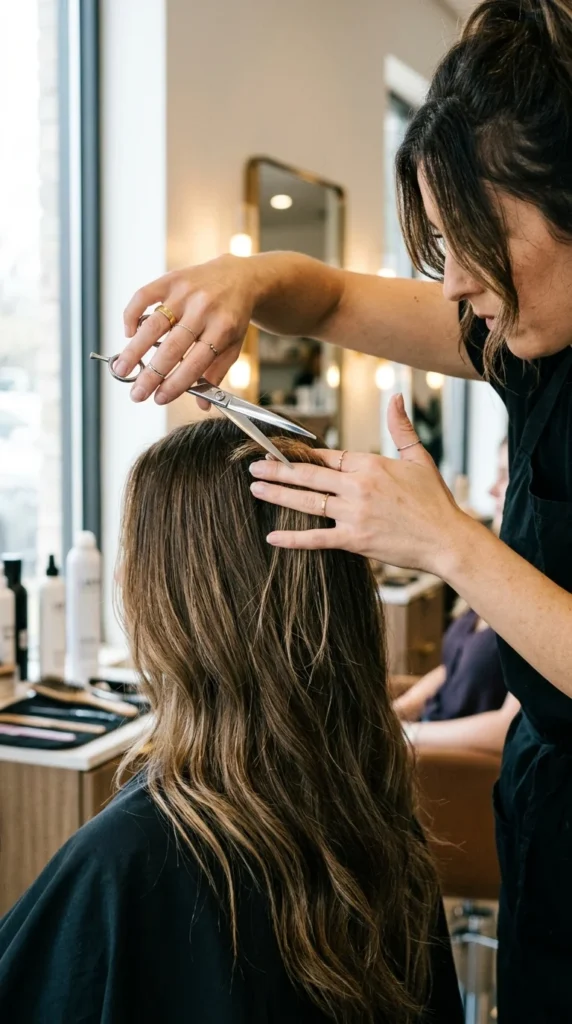
Invisible layers (similar to ghost layers but focused more on the ends) utilize a technique called “slide cutting.” The stylist glides the shears down the hair shaft to create a tapered effect. This removes the “crunchy” feeling of damaged ends without creating a visible “step” or layer line. It’s the ultimate way to blend away damage in straight or fine hair where traditional layers might look too choppy.
9. Point Cutting
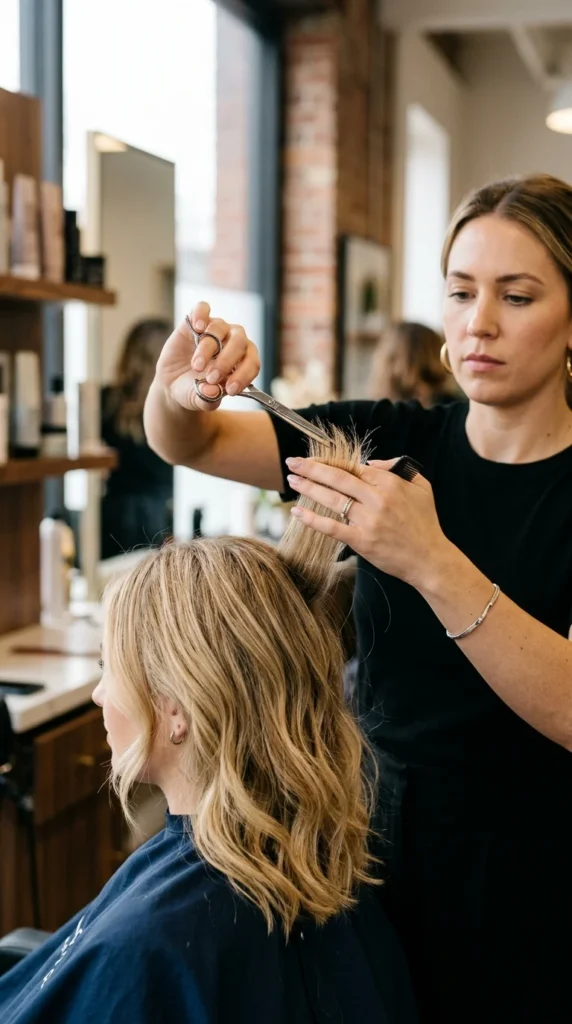
Point cutting is a finishing technique that can be applied to almost any long hairstyle. Instead of cutting straight across, the stylist snips vertically into the hair. This breaks up the bluntness of the ends and allows the stylist to target specific split ends that might be lurking just above the baseline. It results in a soft, “lived-in” edge that hides imperfections and makes the hair look naturally healthy rather than “just cut.”
10. The V-Cut
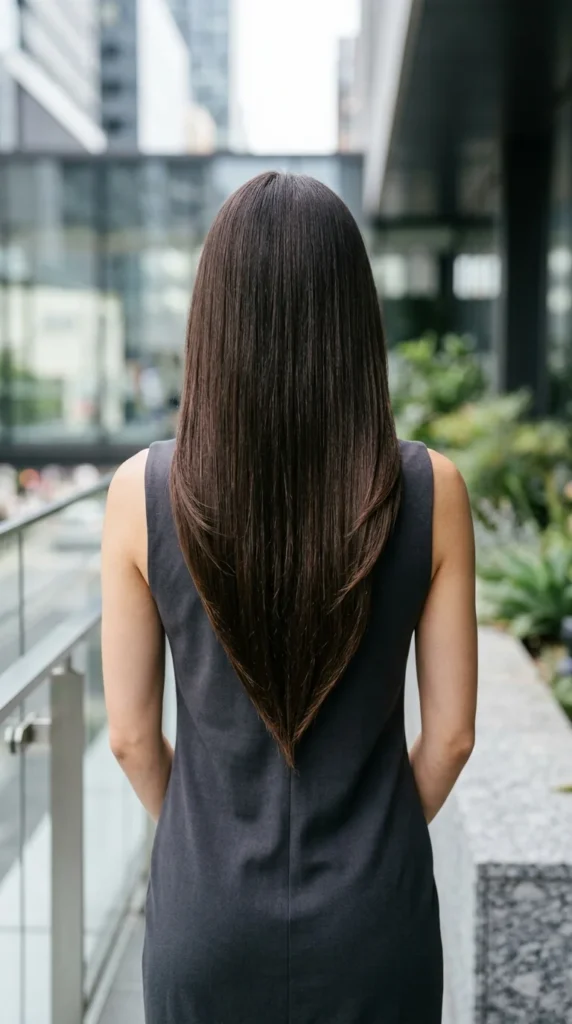
The V-Cut is the “cool older sister” of the U-Cut. It features more dramatic angles, with the hair cascading to a sharp point in the center. This is an excellent choice for those with very thick hair who want to maintain their maximum length in the back but need to remove a significant amount of damaged bulk from the sides. It creates a stunning, high-contrast look that emphasizes length while shedding the dry weight.
11. Curtain Bangs

While it might seem counterintuitive to cut bangs to save your length, curtain bangs are a strategic move. Many people find that the front sections of their hair stop growing or look “ratty” because of damage. By turning these sections into stylish curtain bangs, you remove the damaged portions entirely and give your hair a fresh, intentional style. The rest of your length remains untouched, but your overall look feels completely renewed.
12. Tapered Ends
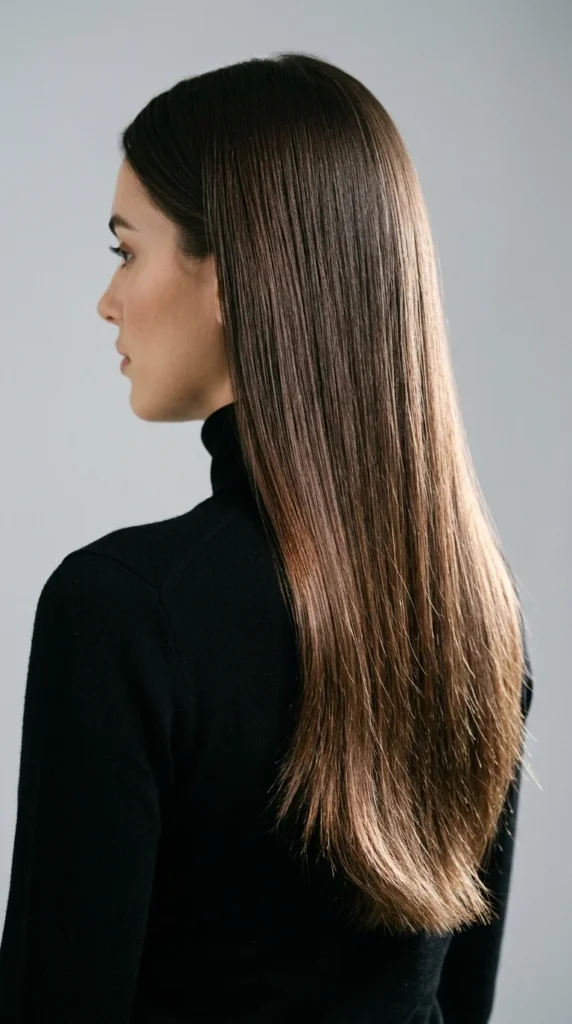
Tapering involves thinning out the very tips of the hair to create a wispy, ethereal finish. This is particularly effective for those with curly or coily hair who struggle with “triangle hair” (where the ends are too bulky and frizzy). By tapering the ends, the stylist removes the most weathered parts of the hair fibers, allowing the curls to clump more naturally and reducing the appearance of frizz and damage.
13. Long Shag

The long shag is the ultimate “camouflage” haircut. Because it relies on a multitude of layers and a lot of texture, any remaining damaged ends blend seamlessly into the intentional “shagginess” of the style. This cut allows the stylist to go through the hair and remove damage from literally every level—top, middle, and bottom—while the overall perimeter remains as long as you desire. It’s edgy, low-maintenance, and incredibly forgiving.