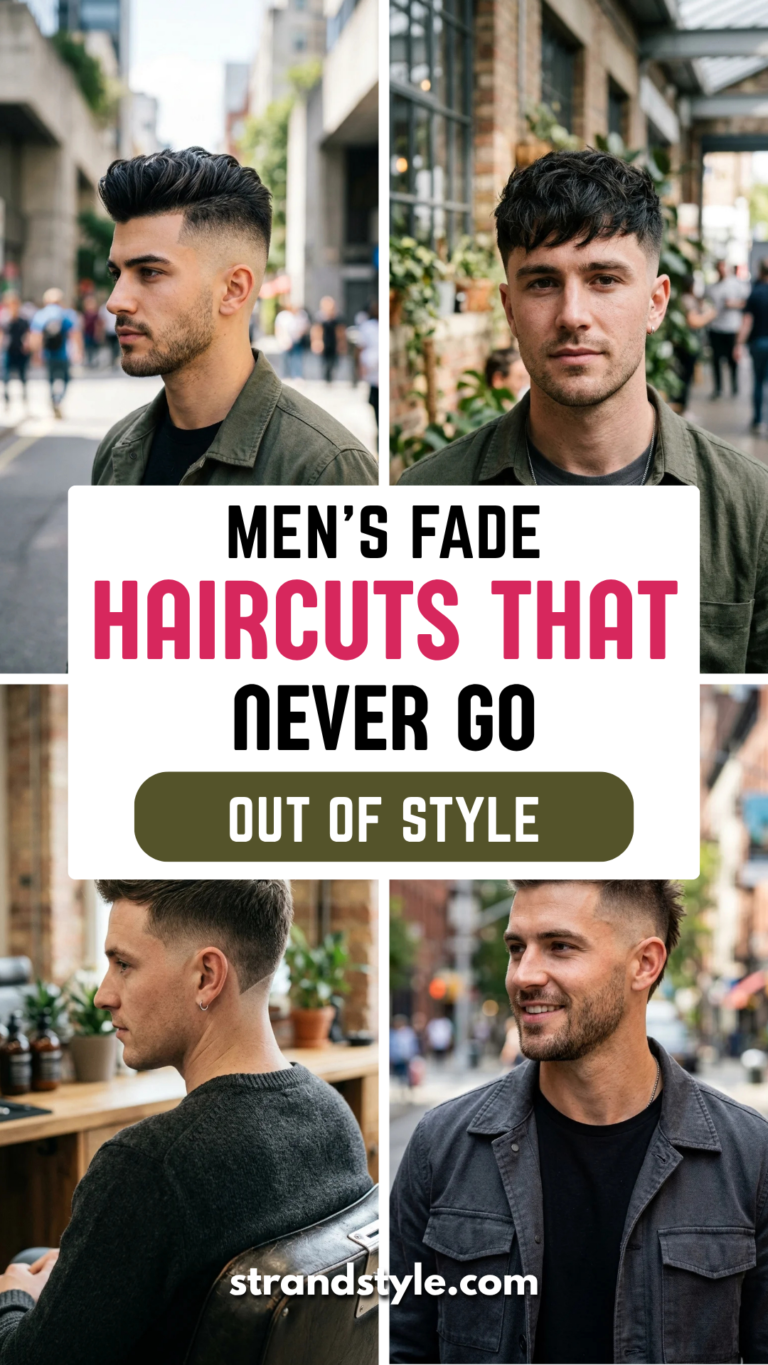
The fade haircut is more than just a trend; it is a cornerstone of modern grooming. Characterized by a gradual transition from short to long hair, the fade offers a level of precision and cleanliness that few other styles can match. Whether you are a corporate professional, a creative artist, or an athlete, the fade provides a versatile canvas that can be adapted to any face shape, hair texture, and personal aesthetic.
Over the decades, the fade has evolved from a military staple to a global phenomenon. Its popularity stems from its ability to make any hairstyle look intentional and sharp. By removing bulk from the sides and back, it draws focus to the top of the head, allowing you to play with volume, texture, and length. Here are 16 timeless fade haircuts that have proven their staying power and continue to dominate the world of men’s fashion.
1. Low Fade
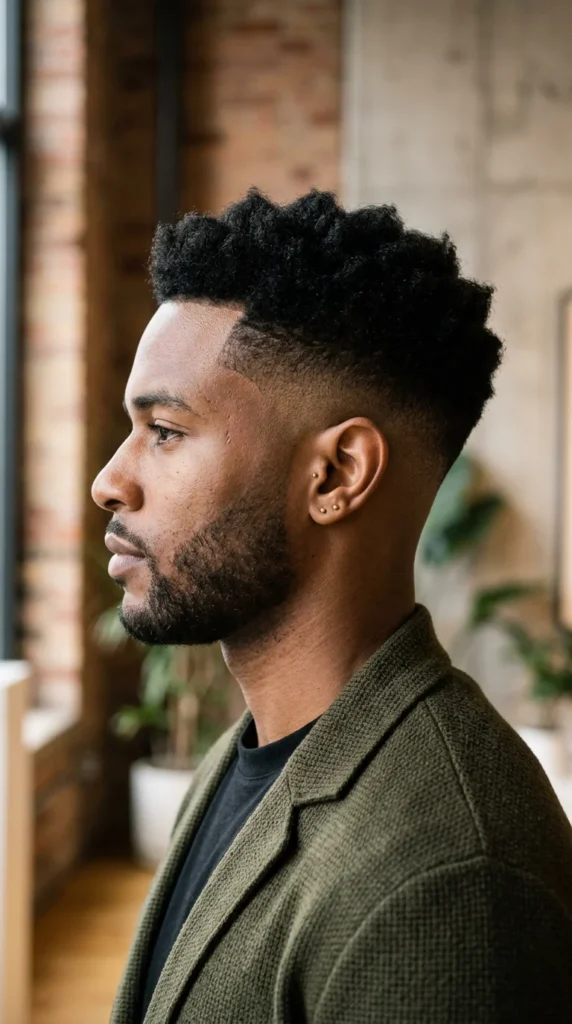
The low fade is the epitome of subtlety. It starts the tapering process very low on the head, usually just above the ears and along the neckline. This style is perfect for men who want a clean, polished look without the dramatic contrast of a high fade. It works exceptionally well with professional attire, providing a groomed appearance that remains conservative. Because it keeps more hair on the sides than other fades, it is also a great option for those with diamond or triangular face shapes, as it adds a bit of necessary width.
2. Mid Fade
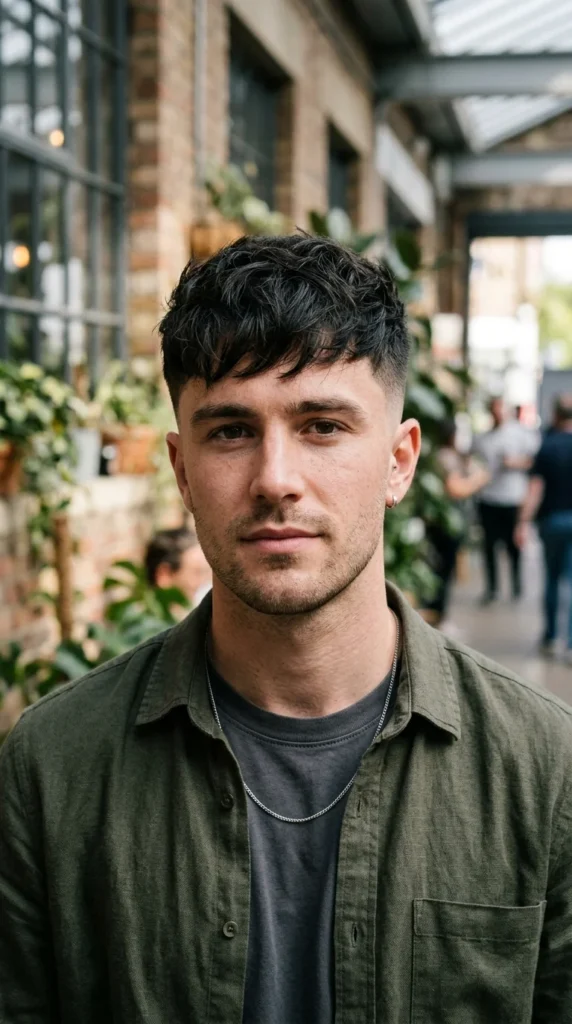
Sitting right in the “Goldilocks” zone, the mid fade begins at the midpoint of the head—typically around the level of the temples or the tops of the eyebrows. It offers a more noticeable contrast than the low fade but isn’t as bold as the high fade. This is perhaps the most popular version of the haircut because it provides a balanced, athletic look. The mid fade is incredibly versatile, pairing equally well with a short buzz cut or a voluminous pompadour.
3. High Fade
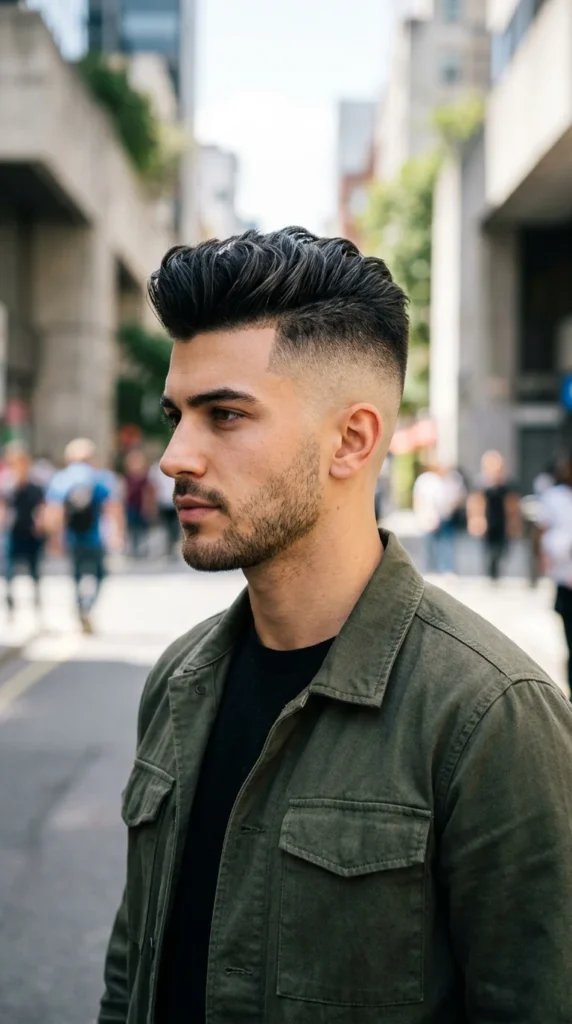
For those who want to make a statement, the high fade is the way to go. This cut starts the transition high up on the head, often around the corners of the forehead or the crown. It creates a high-contrast, edgy look that significantly elongates the face. This makes it an excellent choice for men with round or square faces who want to add some visual height. It requires frequent maintenance to keep the edges crisp, but the sharp, aggressive aesthetic is well worth the trips to the barber.
4. Skin Fade
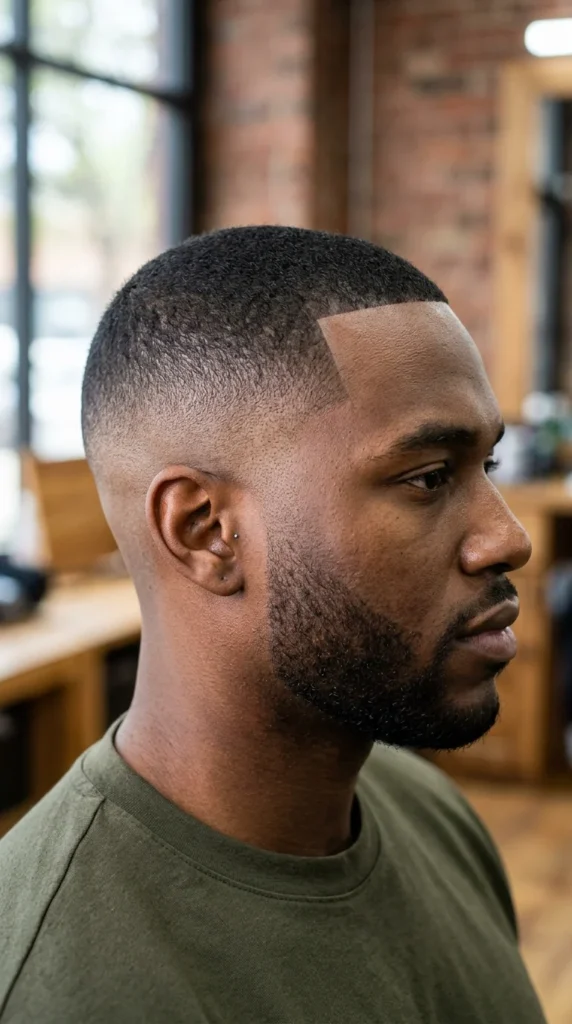
Also known as the bald fade, the skin fade involves tapering the hair down until it disappears completely into the skin. This creates a high-contrast look that is incredibly clean and modern. The skin fade can be applied to low, mid, or high heights, allowing for customization. It is a favorite among men who want to highlight their facial features or those who have tattoos on the sides of their heads that they wish to showcase.
5. Drop Fade
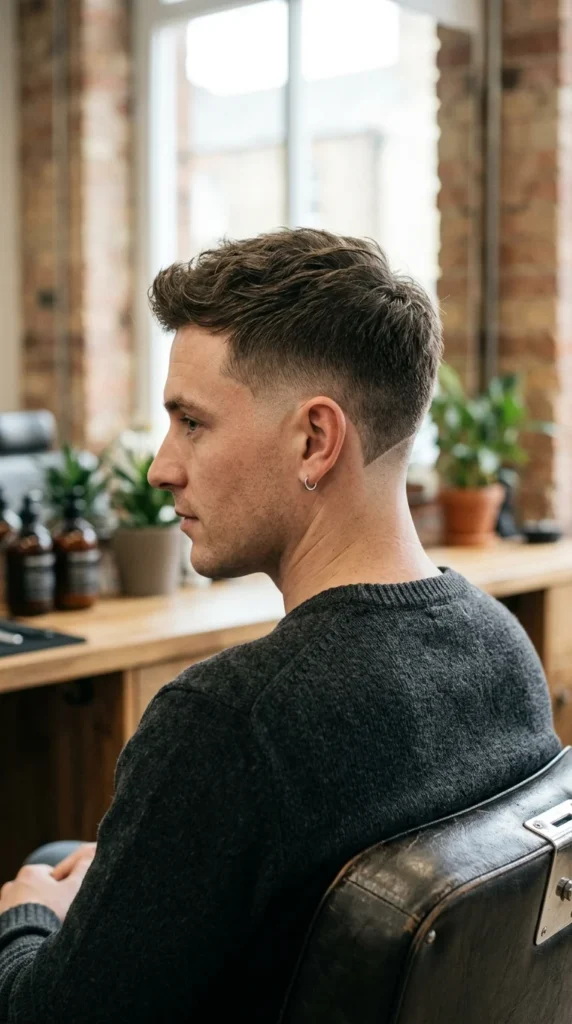
The drop fade is a creative variation where the fade line does not run straight around the head. Instead, it “drops” behind the ear, following the natural contour of the skull and the neckline. This creates a unique, curved silhouette that adds a touch of character to the traditional fade. The drop fade is particularly effective for men who want to maintain some weight in the back while still enjoying the sharpness of a fade on the sides.
6. Taper Fade
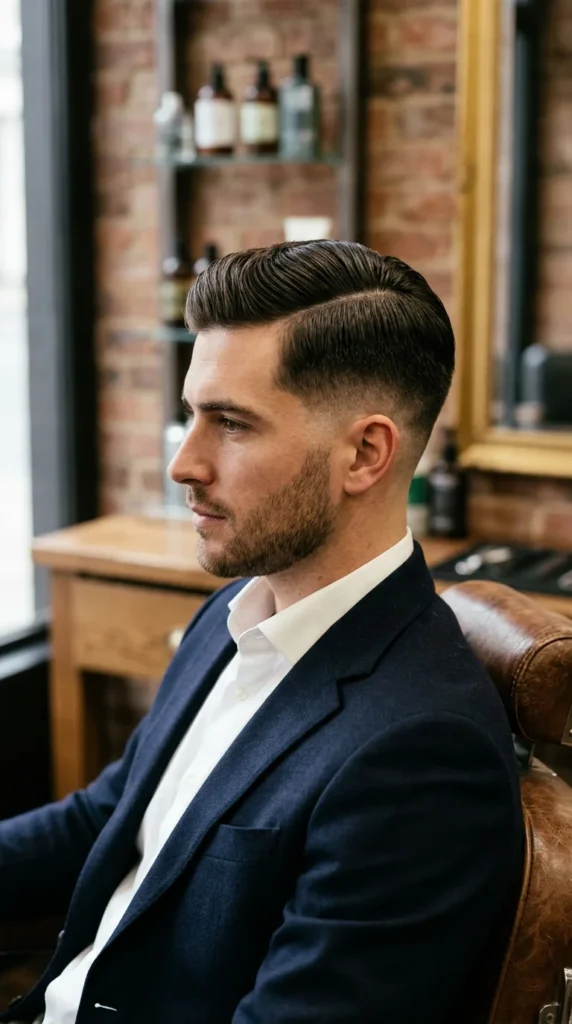
While often used interchangeably with “fade,” a true taper fade is more conservative. It focuses specifically on tapering the sideburns and the neckline while leaving the rest of the sides slightly longer. This is the ultimate “gentleman’s cut.” It provides a clean finish to a haircut without the scalp-revealing intensity of a skin fade. It’s the perfect choice for someone transitioning into fades or for those in strictly formal work environments.
7. Burst Fade
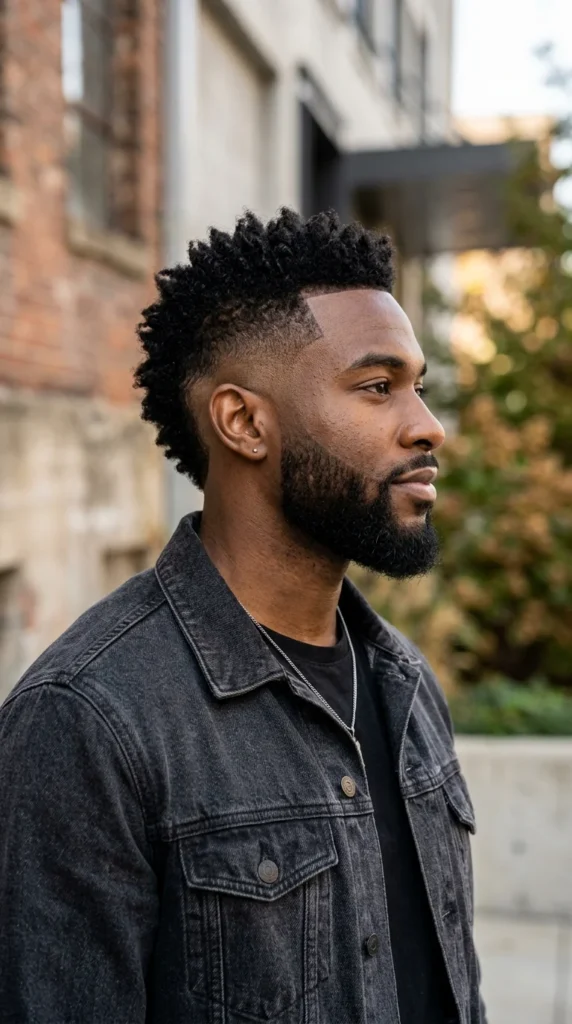
The burst fade is most commonly associated with the South of France haircut or a modern mohawk. It involves fading the hair in a semi-circular pattern around the ear, leaving the hair at the back of the neck long. This creates a “burst” effect. It’s a favorite among athletes and those with textured or curly hair, as it provides a stylish, high-energy look that stands out from the crowd.
8. Temple Fade
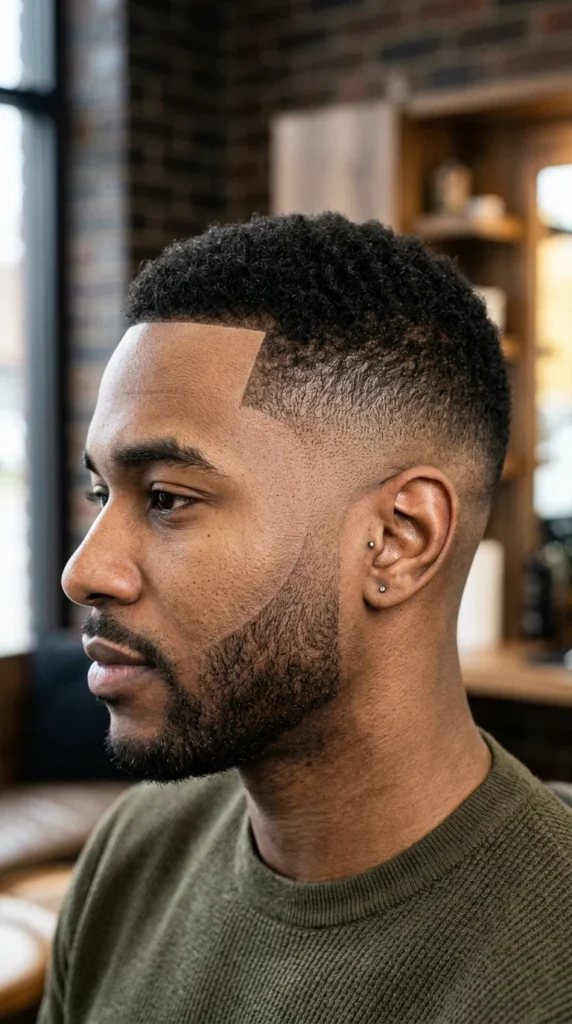
As the name suggests, the temple fade (or “temp fade”) focuses exclusively on the temples. It is a small, localized fade that clears the hair around the sideburns and the front hairline. Popularized in the 90s and seeing a massive resurgence today, the temple fade is often paired with a “line-up” or “shape-up” to create sharp, geometric angles around the face. It’s an excellent way to add a modern touch to an afro, a buzz cut, or even long braids.
9. Faux Hawk Fade
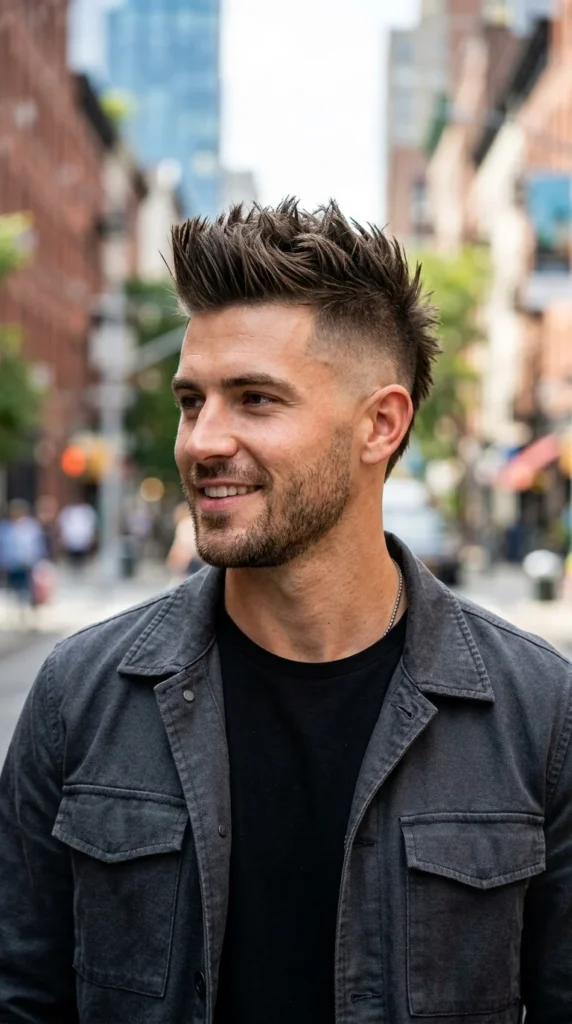
The faux hawk fade combines the rebellious spirit of the mohawk with the sophistication of a fade. Instead of a thin strip of hair, the top is kept wide and styled toward the center to create a peak. The faded sides replace the shaved sides of a traditional mohawk, making it much more wearable for everyday life. This style is all about texture and height, making it a great choice for men with thick hair.
10. Pompadour Fade
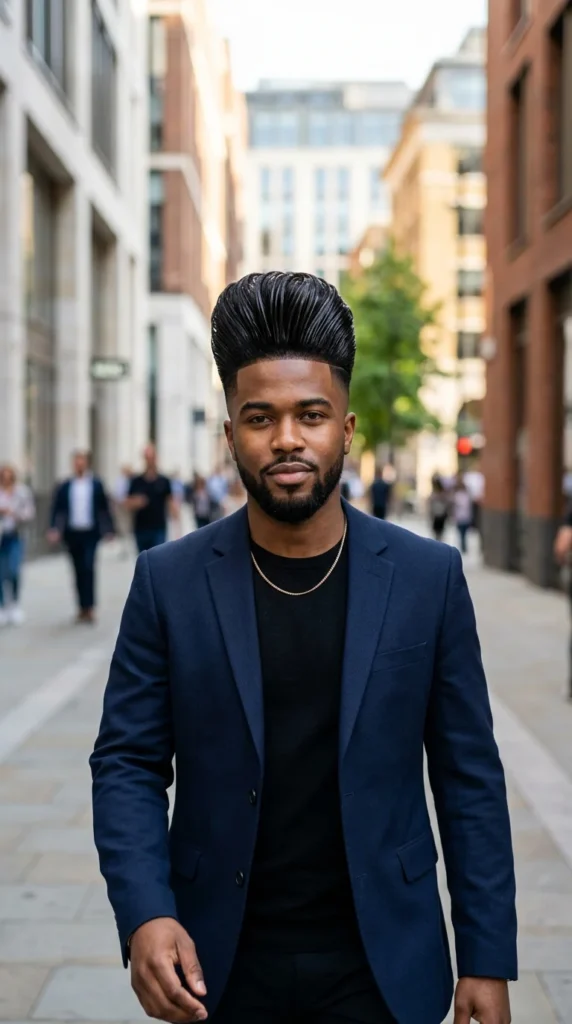
The pompadour is a classic 1950s style that has been completely revitalized by the addition of a fade. By fading the sides, you remove the bulk that can sometimes make a pompadour look dated or “bottom-heavy.” The contrast between the high-volume top and the sleek, faded sides creates a look that is both vintage and futuristic. It requires some styling product and a blow dryer to achieve the desired height, but the result is undeniably suave.
11. Side Part Fade
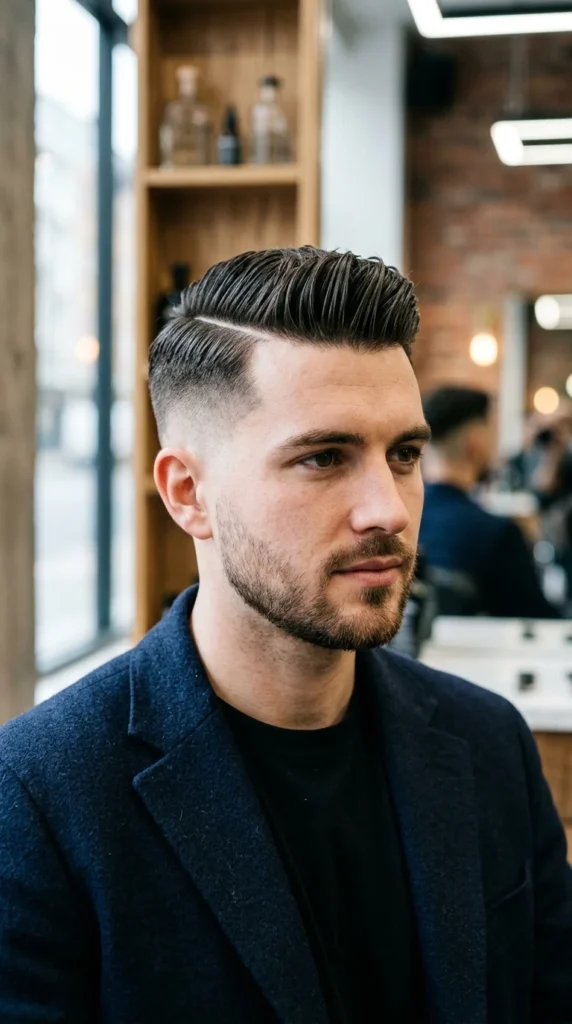
The side part fade is the modern answer to the classic Ivy League look. It features a prominent part—often “hardened” with a razor by the barber—separating the longer hair on top from the faded sides. This cut is professional, structured, and timeless. It works best for men who prefer a combed, neat appearance and want a haircut that transitions seamlessly from the boardroom to a dinner date.
12. Quiff Fade
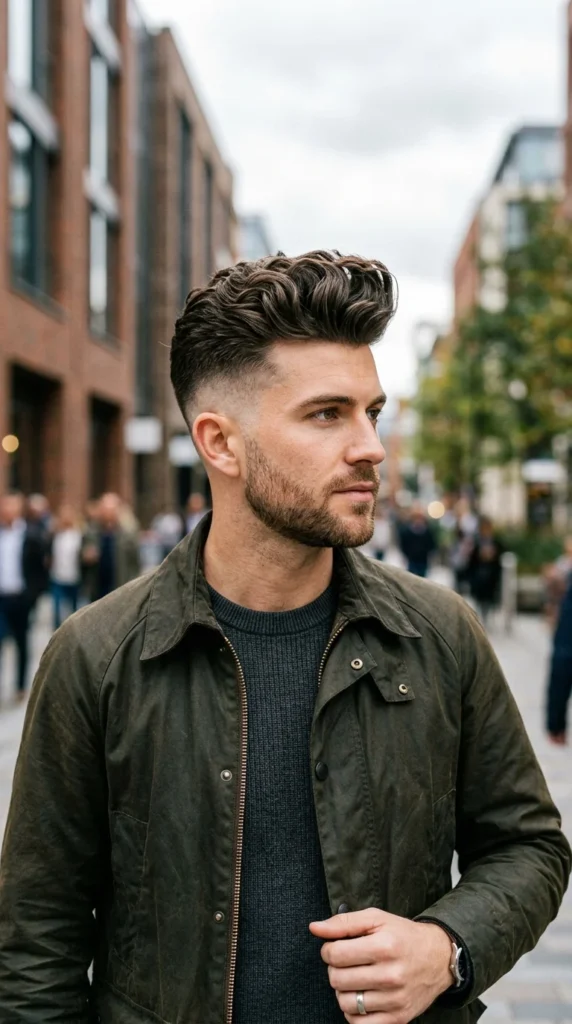
Similar to the pompadour but generally more textured and less “perfect,” the quiff fade is all about the front. The hair is brushed upward and slightly forward to create volume at the forehead. Pairing this with a mid or high fade focuses all the attention on the styling of the hair. It’s a playful, energetic look that suits men of all ages and works particularly well with wavy hair.
13. Buzz Cut Fade
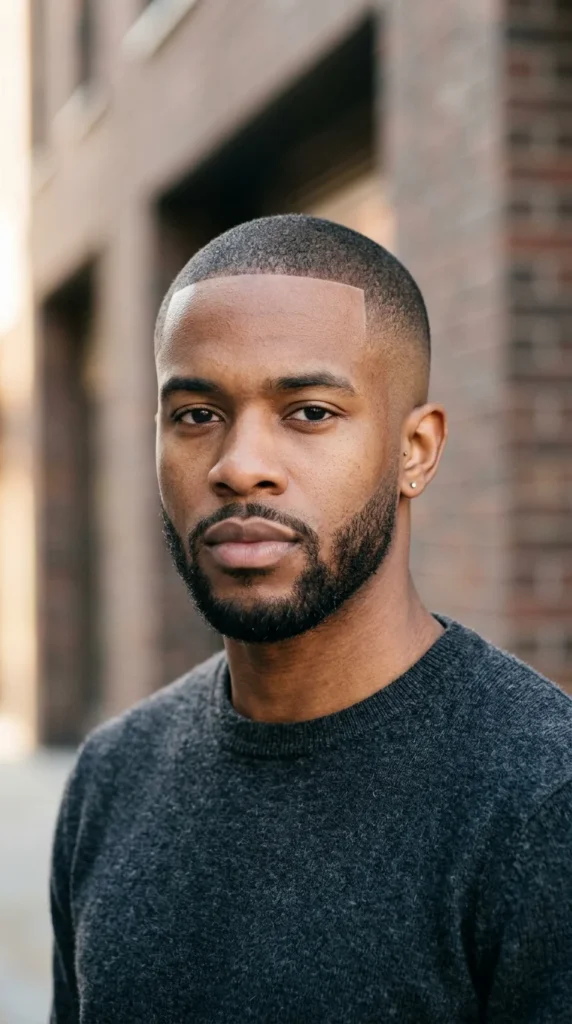
If you value low maintenance above all else, the buzz cut fade is your best friend. It takes the simplicity of a uniform buzz cut and elevates it with a professional fade on the sides. This prevents the “tennis ball” look and adds a level of intentionality to the short length. It’s a masculine, rugged style that highlights the shape of the jawline and the brow.
14. Afro Fade
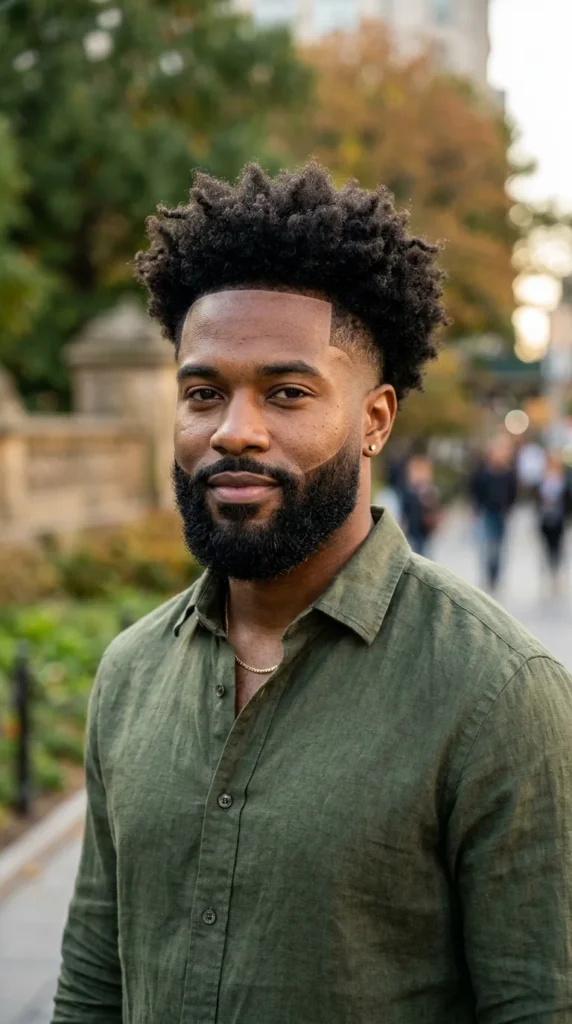
The afro fade is a staple in Black hair culture and for good reason. It allows for the natural volume and texture of an afro while keeping the edges clean and sharp. Whether it’s a “box fade” (flat top) or a more rounded “mini-fro,” the fade on the sides provides a structural frame that makes the hair look groomed and stylish.
15. Curly Fade
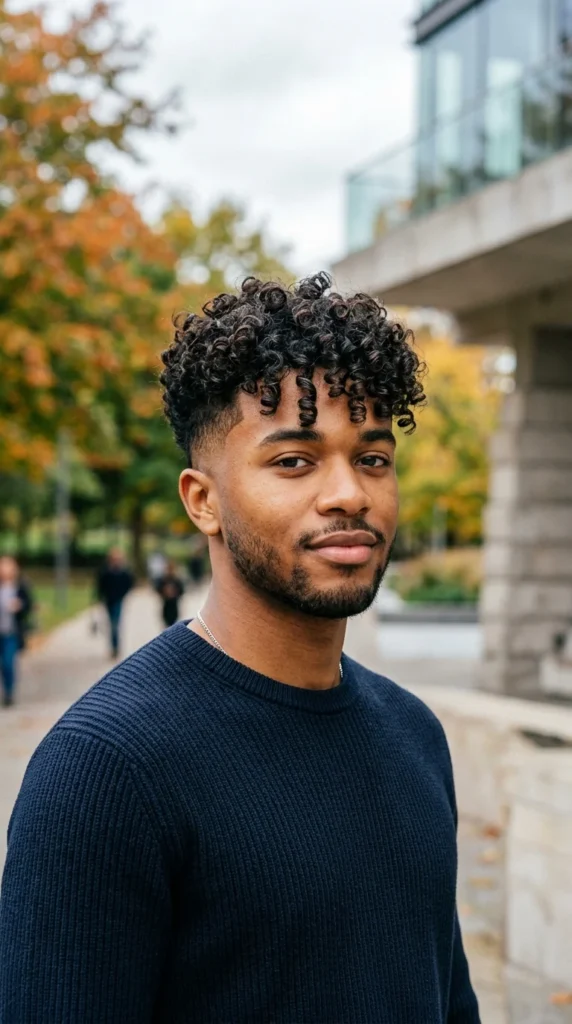
For men with natural curls, a fade is often the best way to manage volume. By keeping the sides short, you prevent the hair from becoming too “poofy” or mushroom-shaped. The curly fade allows the natural texture to be the star of the show on top while the faded sides keep the overall look neat and modern. It’s a great way to embrace natural hair while maintaining a sharp silhouette.
16. Scissor Fade
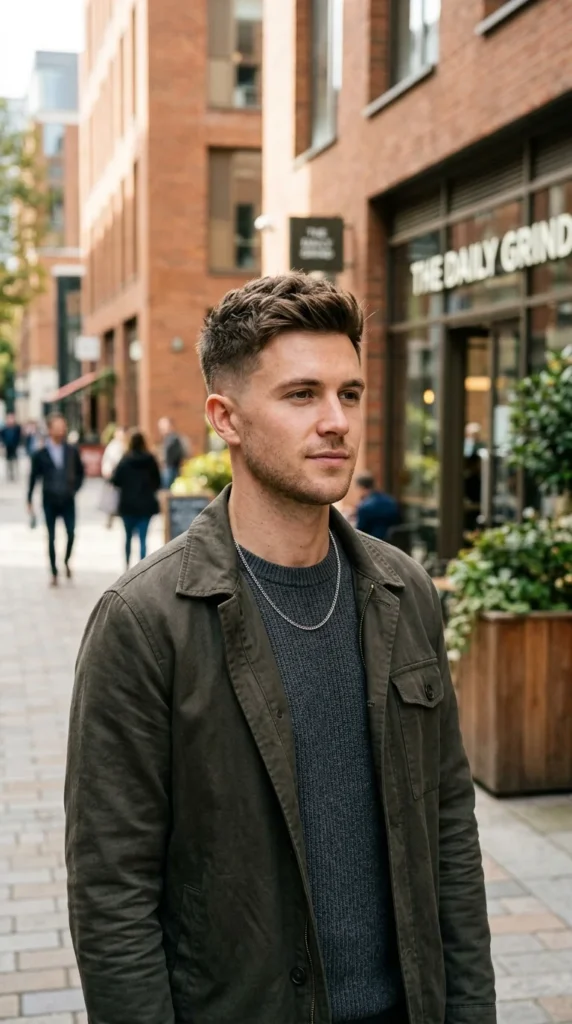
For those who find clipper fades a bit too “harsh” or “mechanical,” the scissor fade is the artisan’s choice. This technique uses only shears to create a gradual transition. The result is a softer, more textured look that grows out more naturally than a clipper fade. It is ideal for men with finer hair or those who prefer a more organic, “undone” aesthetic that still feels intentional and well-crafted.