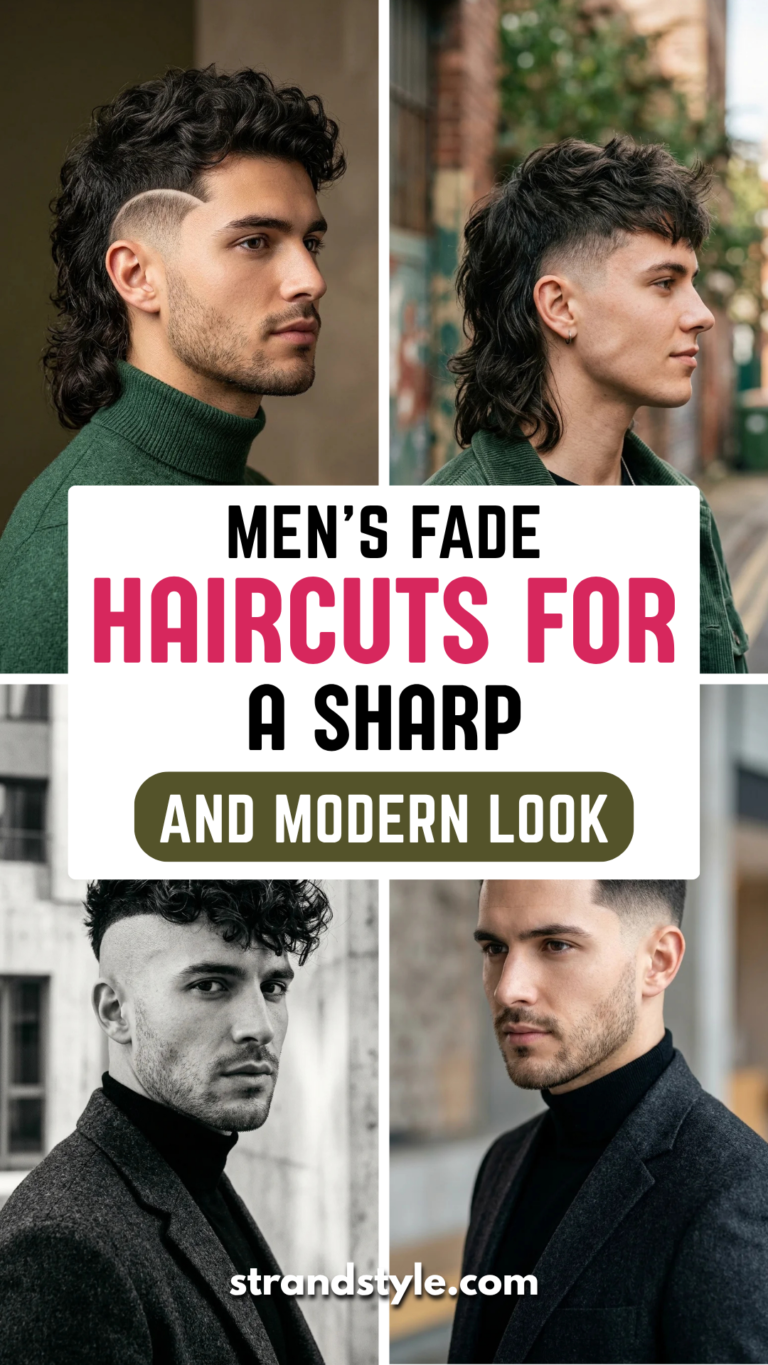
The fade haircut has transcended its origins in military grooming to become the cornerstone of modern men’s hairstyling. Defined by a gradual transition from long hair on top to short hair on the sides and back, the fade offers a level of precision and versatility that few other cuts can match. Whether you’re a corporate professional looking for a polished finish or an artist seeking a bold, edgy statement, there is a fade variant tailored to your face shape and hair texture.
The beauty of the fade lies in its adaptability. It can be paired with almost any hairstyle—from classic pompadours and crew cuts to contemporary textured crops and braids. In this guide, we explore 28 distinct fade haircuts that are defining the current grooming landscape, providing you with the inspiration needed for your next trip to the barber.
1. Low Fade
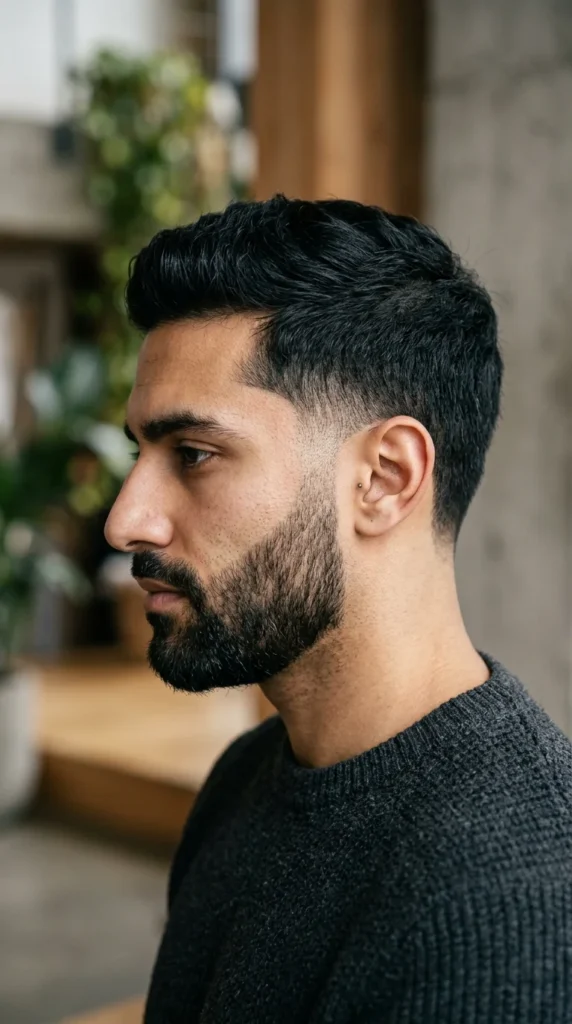
The low fade is the epitome of subtlety and sophistication. This style begins the tapering process very low on the head, usually just above the ears and the nape of the neck. It is an excellent choice for men who want a clean look without exposing too much scalp. It works exceptionally well with longer hair on top, providing a balanced silhouette that is both professional and trendy.
2. Mid Fade
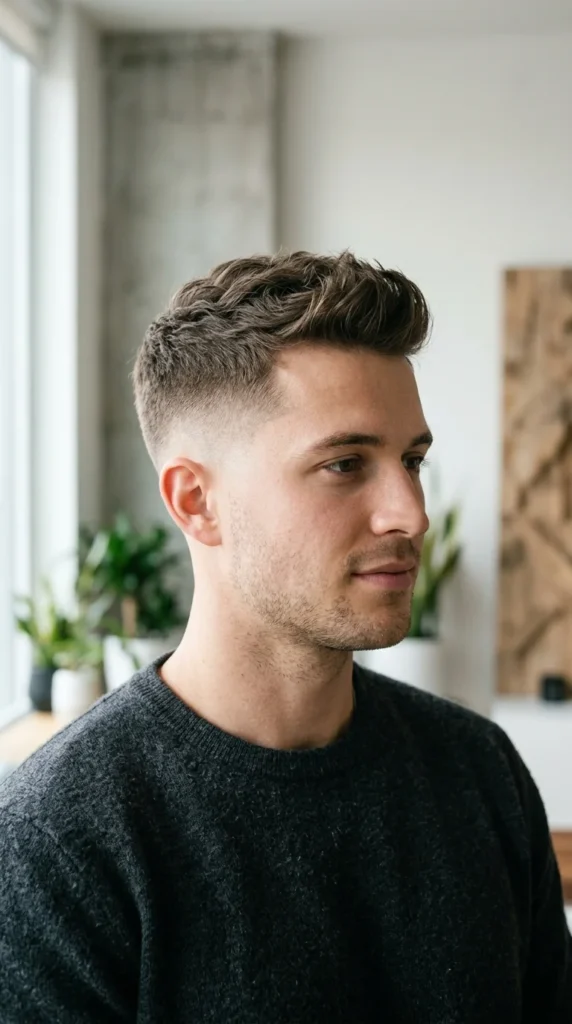
Sitting perfectly between the low and high variants, the mid fade starts at the level of the temples. This is perhaps the most popular version of the fade because it offers a clear contrast without being overly aggressive. It frames the face well and provides a solid foundation for textured styles, quiffs, or slicked-back looks.
3. High Fade
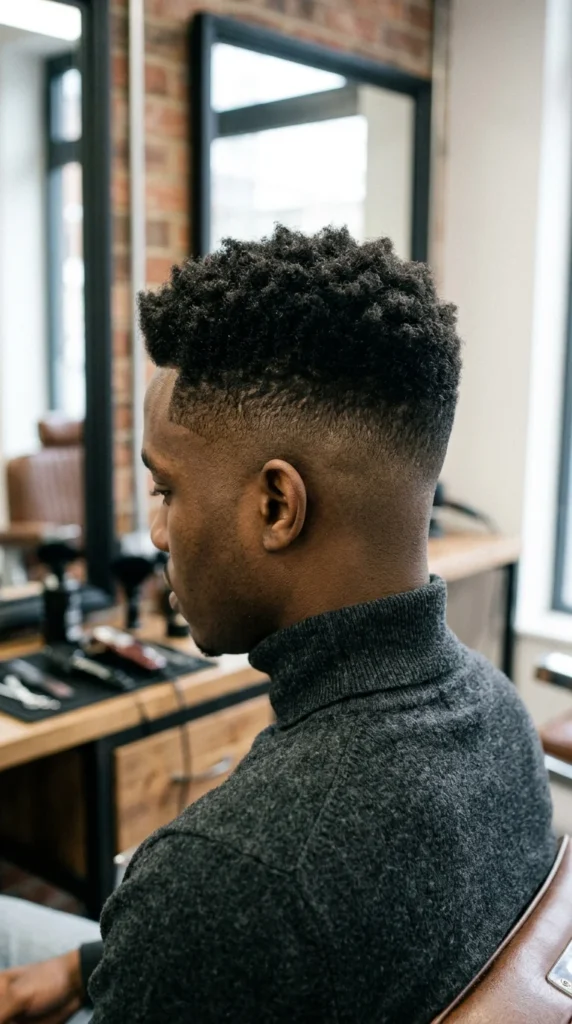
For those who want a bold, high-contrast appearance, the high fade is the way to go. The transition begins high up on the head, near the crown, creating a sharp look that draws attention to the hair on top. This cut is ideal for elongating the face and works perfectly with voluminous styles like a tall pompadour or a messy fringe.
4. Skin Fade
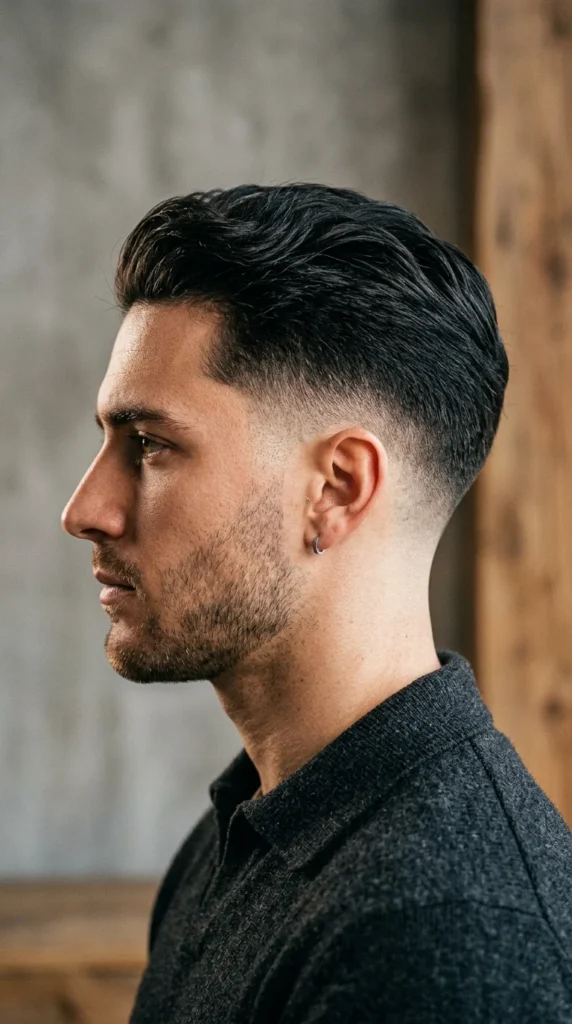
Also known as the bald fade, the skin fade involves tapering the hair down until it disappears into the skin. This requires a high level of technical skill from a barber to ensure the gradient is smooth and free of visible lines. It provides a very “fresh” look and is often paired with a beard to create a striking disconnect.
5. Taper Fade
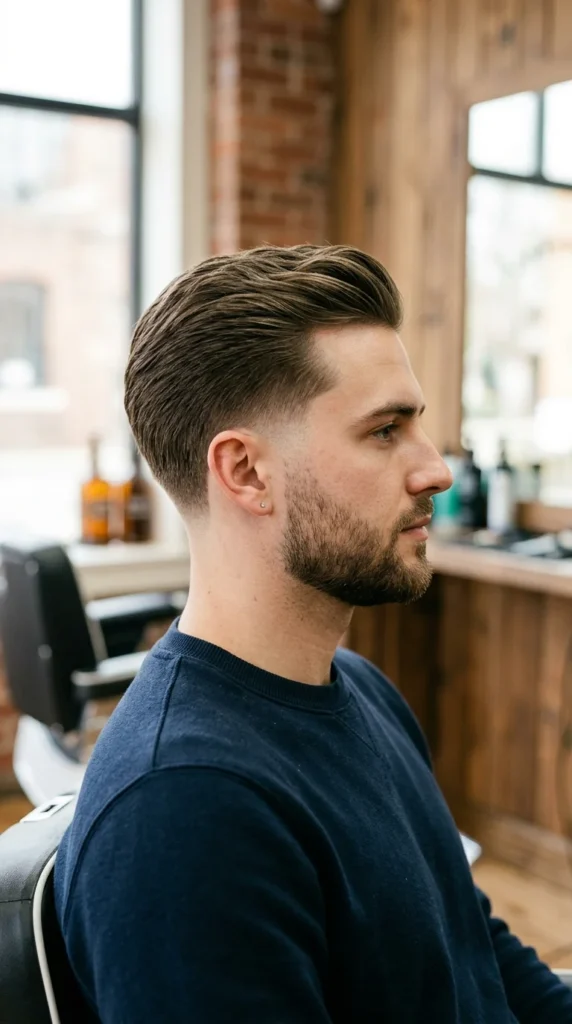
While often confused with a regular fade, the taper fade is more conservative. It focuses on fading the hair at the sideburns and the neckline while keeping the rest of the sides relatively short but not buzzed to the skin. It’s a timeless choice for men who prefer a traditional aesthetic with a modern twist.
6. Drop Fade
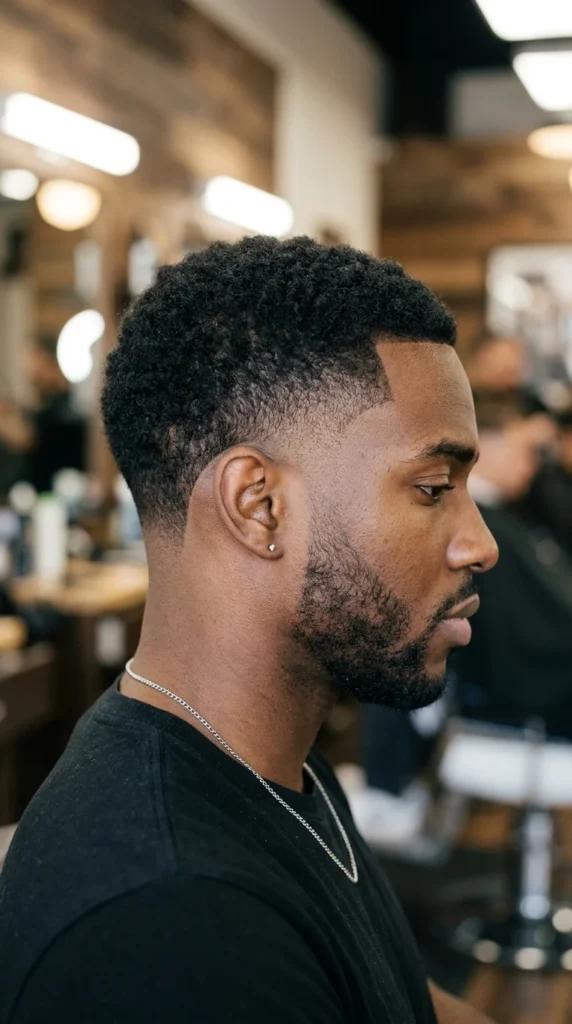
The drop fade gets its name from the way the fade line “drops” behind the ear. Instead of a straight horizontal line around the head, the barber creates a curved arc. This technique follows the natural contours of the head and adds a unique geometric element to the haircut, making it stand out from standard fades.
7. Burst Fade
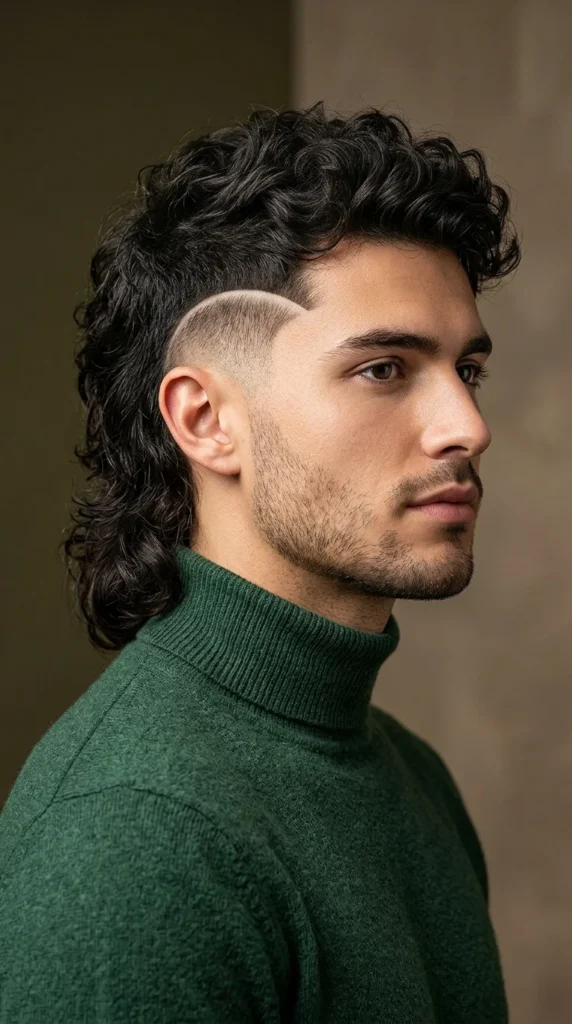
Popularized in the “South of France” haircut, the burst fade focuses specifically on the area around the ear. It creates a “burst” effect where the hair radiates out from the ear. This style is most commonly seen on men with natural curls or those rocking a modern mohawk, as it leaves plenty of length at the back.
8. Temp Fade
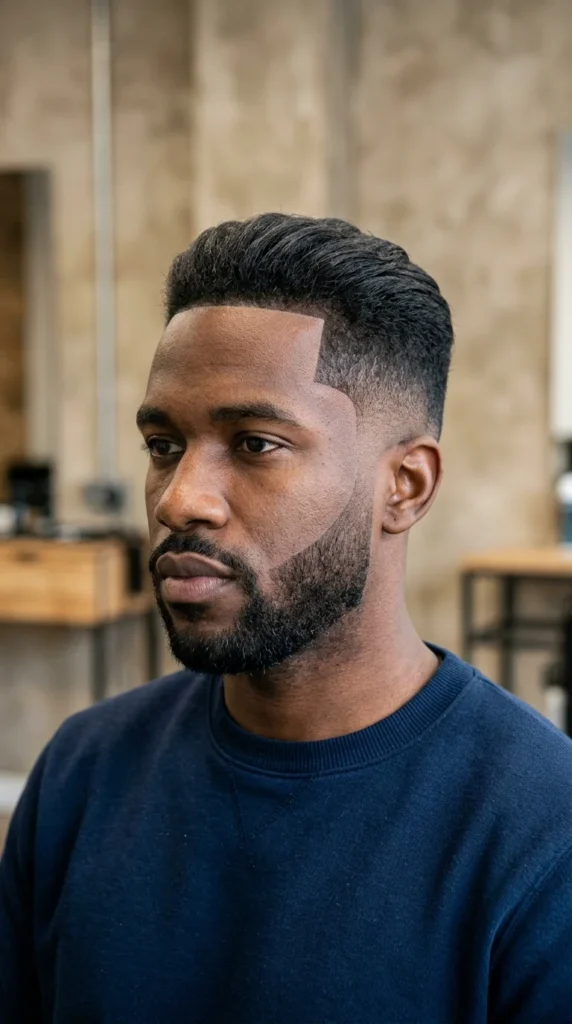
The temple fade, or “temp fade,” is a small but impactful modification. It involves fading a small area around the temples and is frequently paired with a “line-up” or “shape-up.” This look is extremely popular in urban styling and works beautifully with buzz cuts, waves, and afros.
9. Scissor Fade
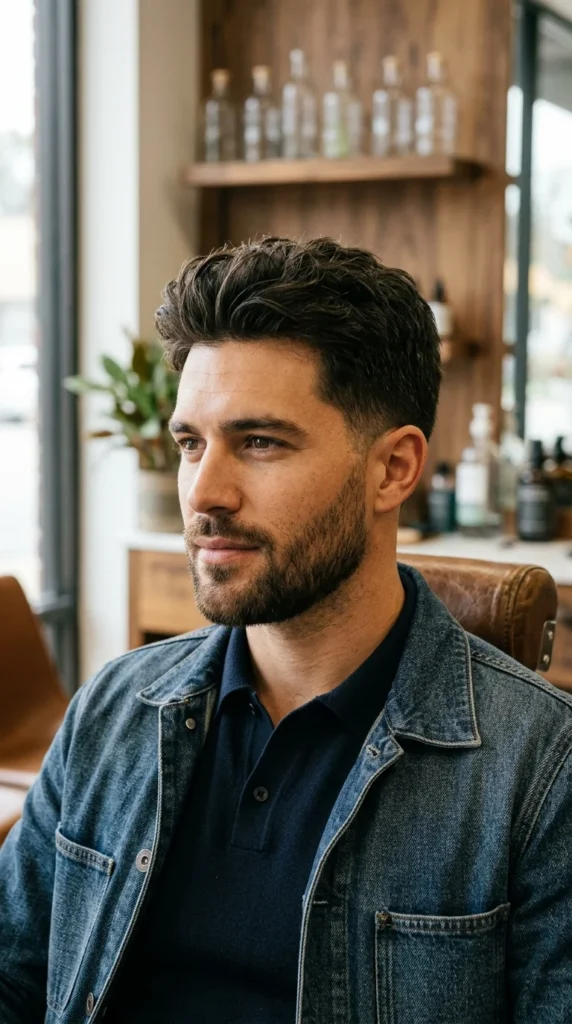
For those who find clipper fades too harsh, the scissor fade offers a softer, more organic transition. The barber uses shears to create the gradient, resulting in a more textured and less “mechanical” look. This is ideal for men with longer hairstyles who want a more relaxed, “old-money” aesthetic.
10. Bald Fade
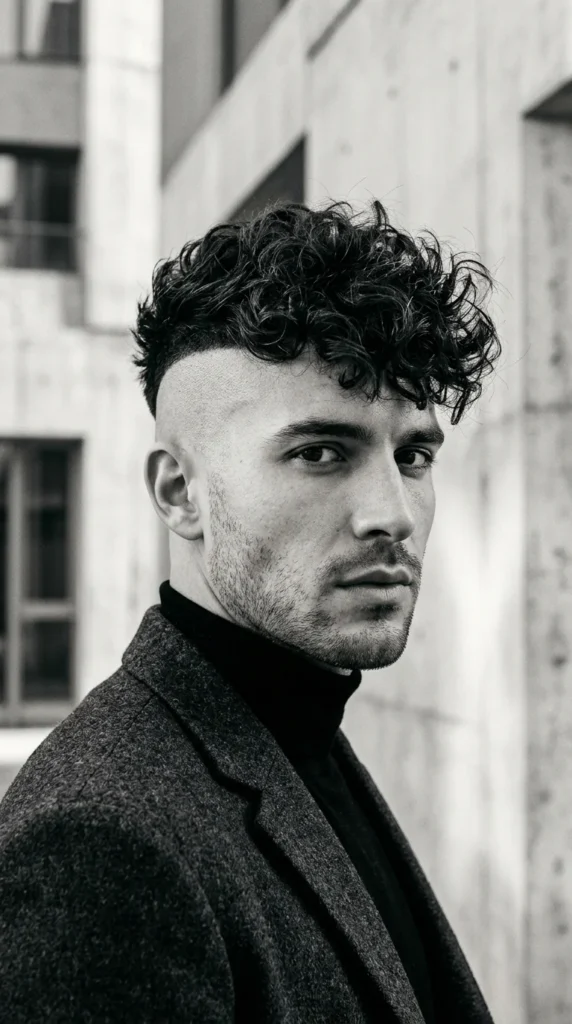
The bald fade is a more extreme version of the skin fade, where the lowest part of the hair is shaved with a straight razor or a foil shaver. It offers a incredibly sharp, clean-cut finish that emphasizes the shape of the head and the texture of the hair on top. It’s high-maintenance but undeniably stylish.
11. Pompadour Fade
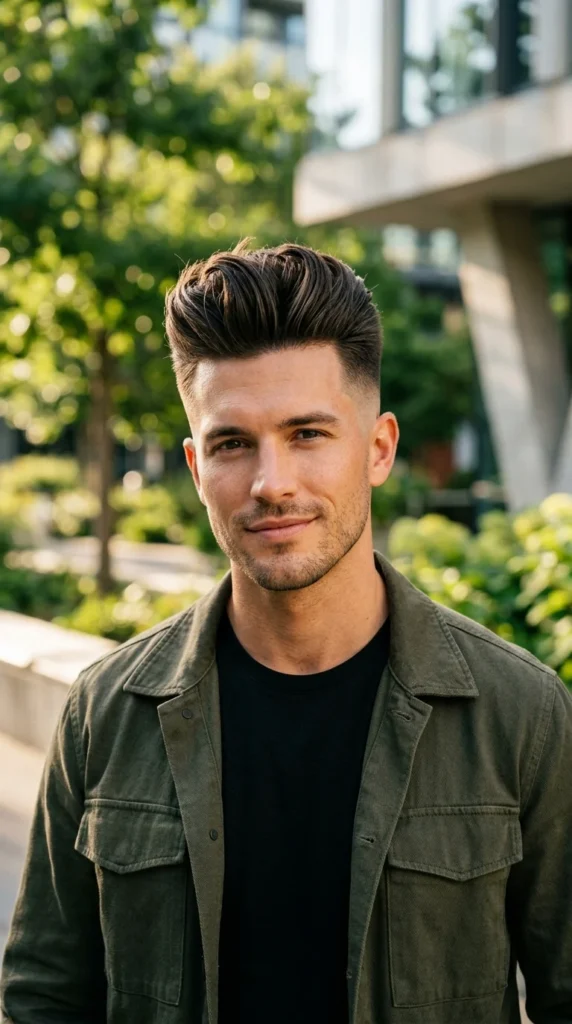
The pompadour is a classic 1950s style that has been reinvented for the 21st century with the addition of a fade. By fading the sides, the volume on top becomes the focal point. This creates a silhouette that is both retro and cutting-edge, perfect for the modern gentleman.
12. Quiff Fade
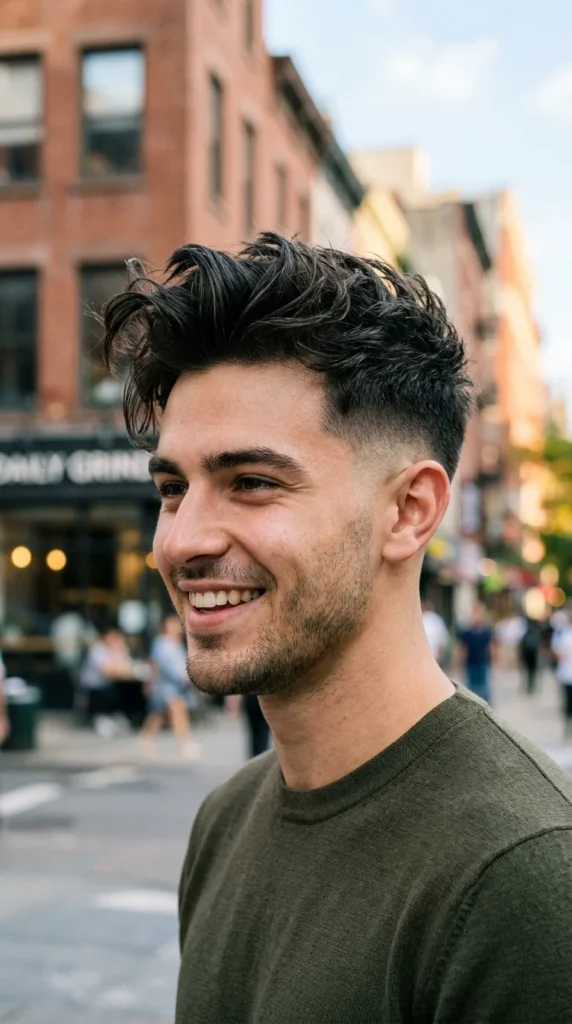
Similar to the pompadour but generally more textured and less structured, the quiff is all about height at the front. Pairing a quiff with a fade ensures that the sides stay neat, preventing the look from appearing unkempt. It’s a versatile style that works for both the office and a night out.
13. Comb Over Fade
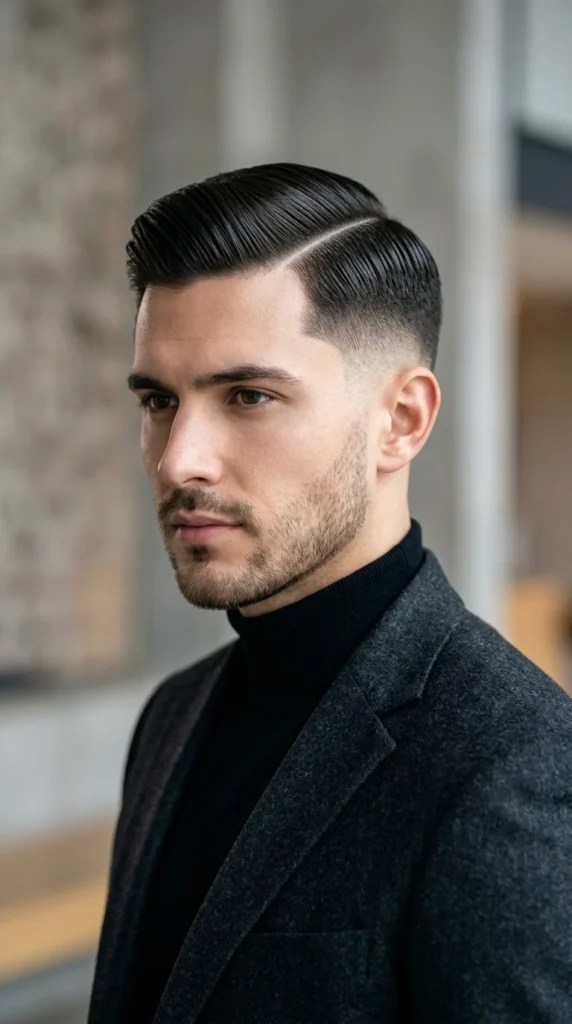
The comb over fade is a favorite for its professional yet trendy vibe. The hair is kept long enough on top to be swept to one side, while the fade on the other side creates a clean, asymmetrical look. It is often enhanced with a “hard part”—a shaved line that defines the parting.
14. Buzz Cut Fade
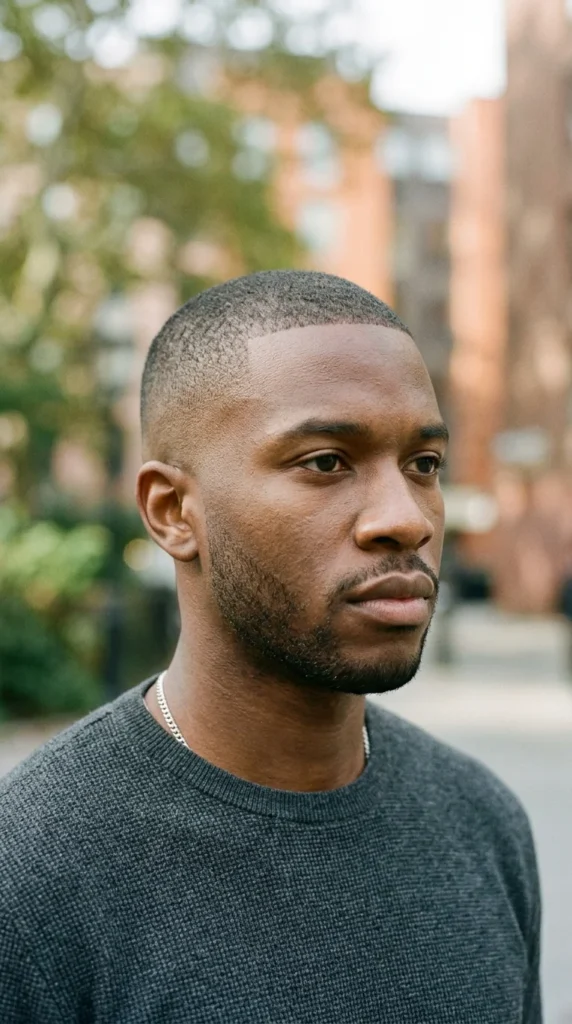
If you value low maintenance above all else, the buzz cut fade is your best friend. By adding a fade to a standard buzz cut, you elevate the look from “DIY” to “barber-fresh.” It defines the jawline and adds a level of intentionality to an otherwise simple cut.
15. Crew Cut Fade
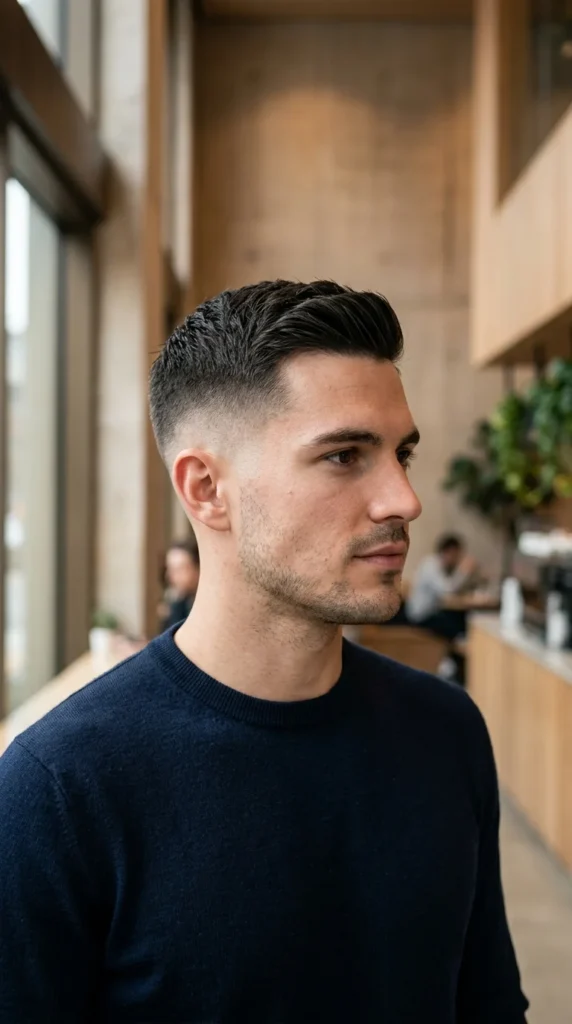
The crew cut is a staple of men’s grooming. Adding a fade to the sides modernizes this athletic style. It’s a safe, reliable option for men of all ages and hair types, offering a masculine look that requires minimal styling effort in the morning.
16. Mohawk Fade
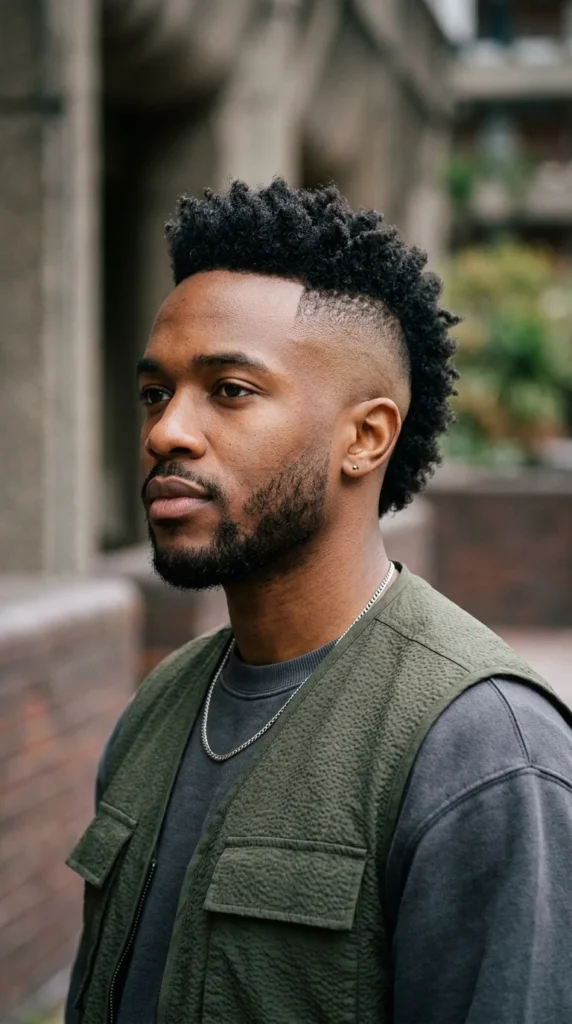
The modern mohawk (or “mowhawk”) is less about punk rock and more about style. Instead of shaved sides, a high or burst fade is used to create the signature strip of hair. It’s a bold choice that communicates confidence and creativity.
17. Mullet Fade
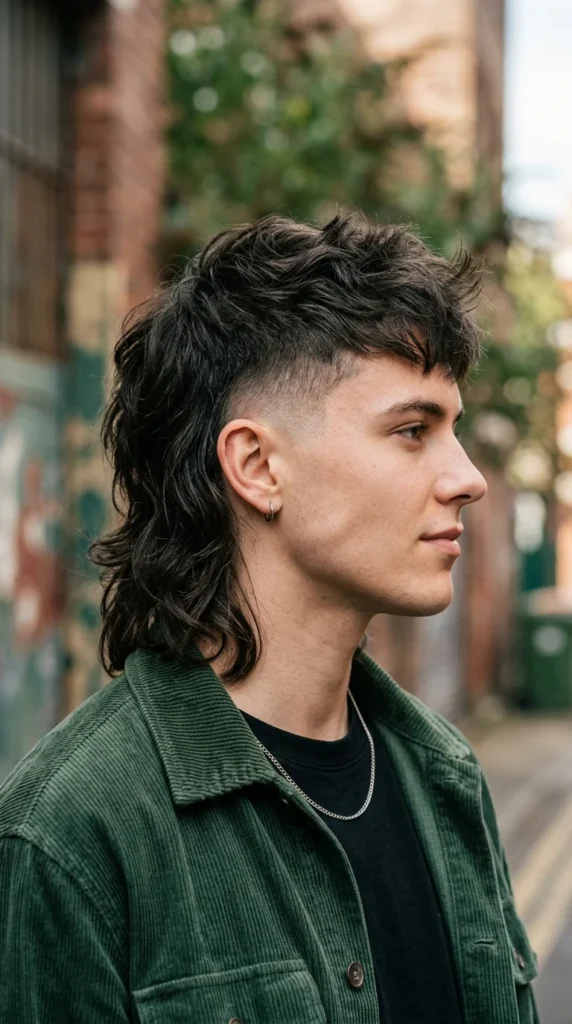
The mullet has made a massive comeback in recent years, largely thanks to the “modern mullet” or “shullet” which incorporates a fade. By fading the temples and sides, the “business in the front, party in the back” look becomes much more wearable and aesthetically pleasing.
18. Curly Top Fade
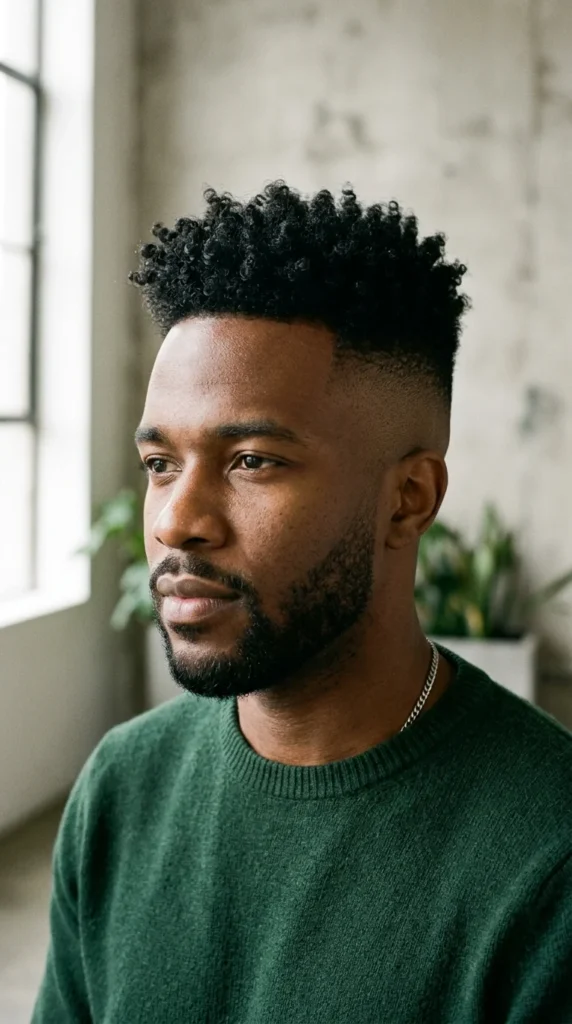
Men with curly hair often struggle with bulk on the sides. A fade is the perfect solution. It removes the width from the head, allowing the curls on top to take center stage. This keeps the look managed and stylish rather than round and frizzy.
19. Afro Fade
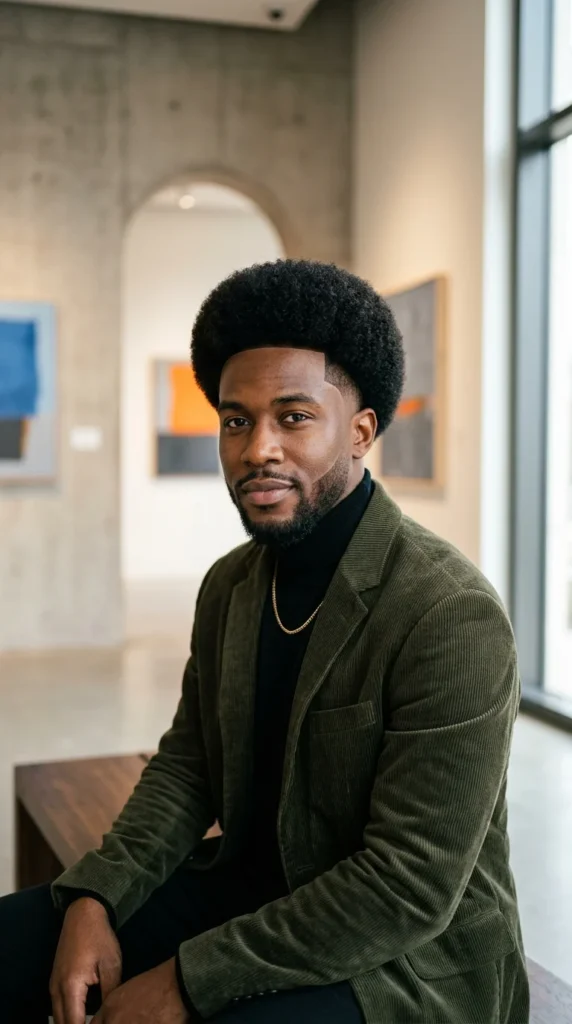
The afro fade is a masterpiece of precision. Barbers use various tools to shape the afro into a geometric or rounded form, while the fade provides a sharp transition at the hairline. This style is iconic and emphasizes the natural texture of 4C hair.
20. Braided Fade
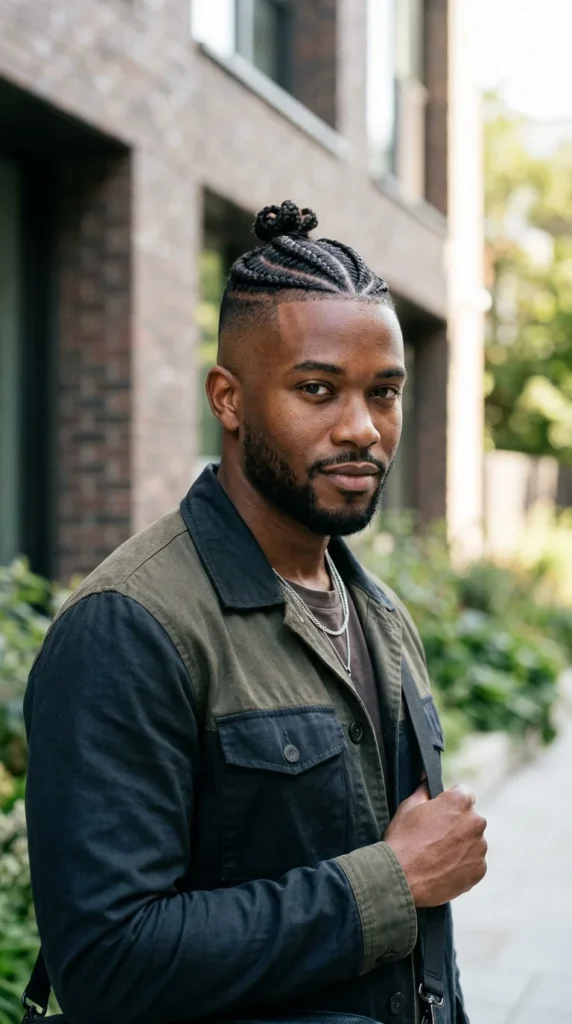
Combining braids with a fade creates a look that is both cultural and contemporary. The fade provides a clean “canvas” for the intricate patterns of the braids on top. It’s a popular choice for those looking to keep their hair long while maintaining a sharp, groomed appearance.
21. Hard Part Fade
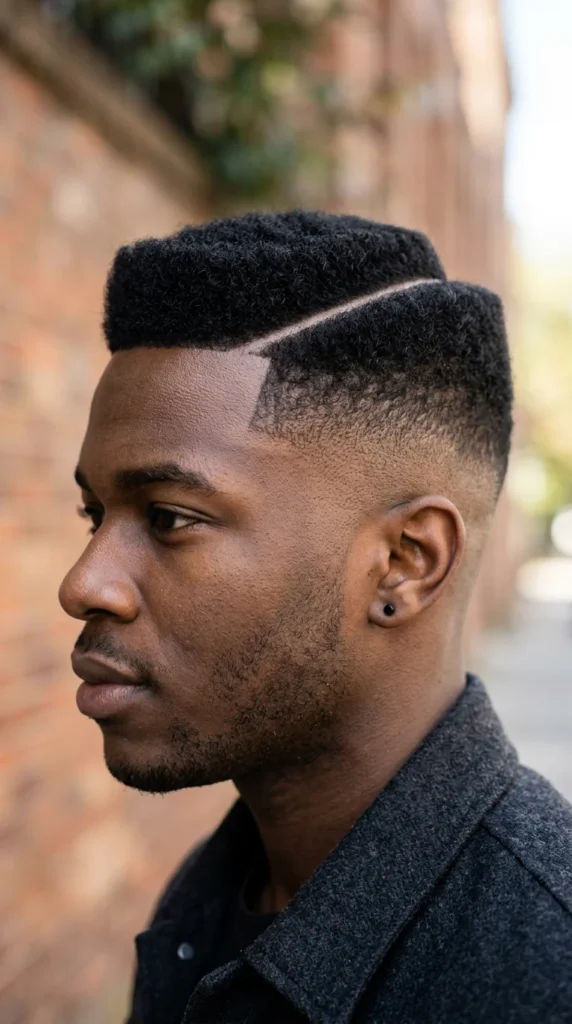
The hard part is a technique where the barber shaves a line into the scalp to emphasize the hair’s parting. When paired with a fade, it adds a “surgical” level of precision to the haircut. It works best with comb overs, side parts, and even buzz cuts.
22. Textured Crop Fade
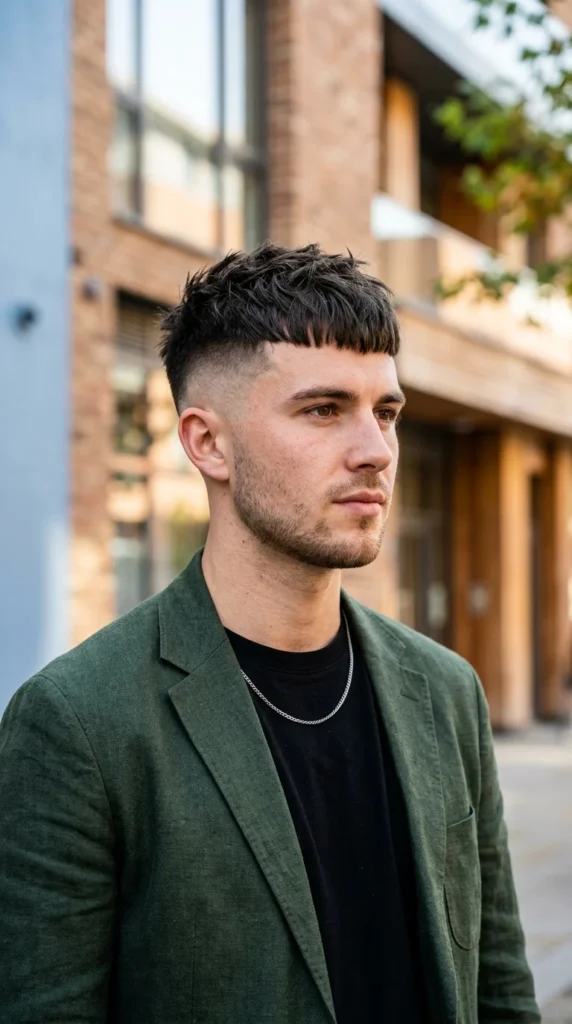
The textured crop (or French crop) is a modern European favorite. It features short hair on top that is styled forward, often with a blunt fringe. The high fade on the sides creates a rugged, masculine look that is very popular in contemporary streetwear culture.
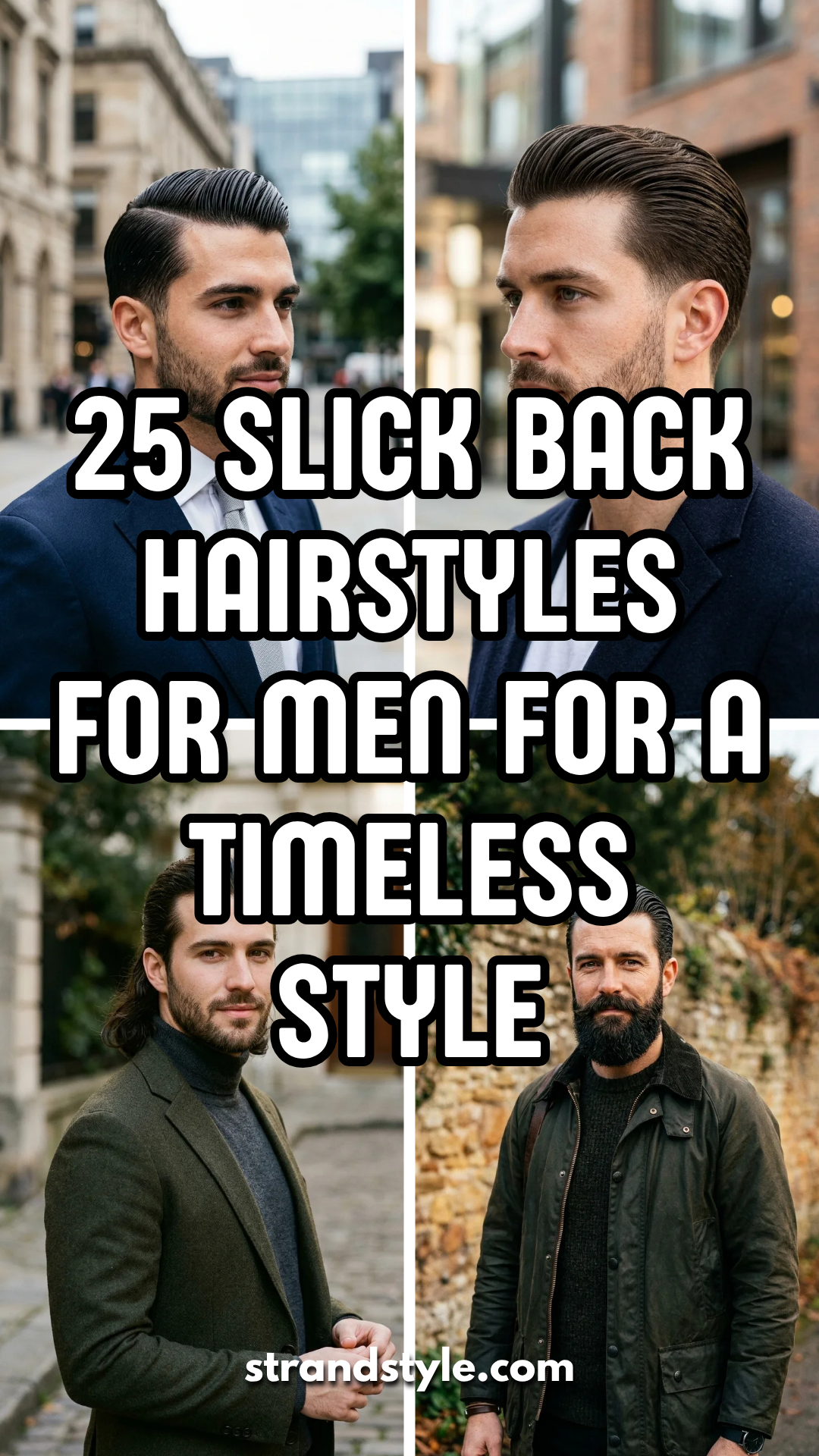
23. Slicked Back Fade
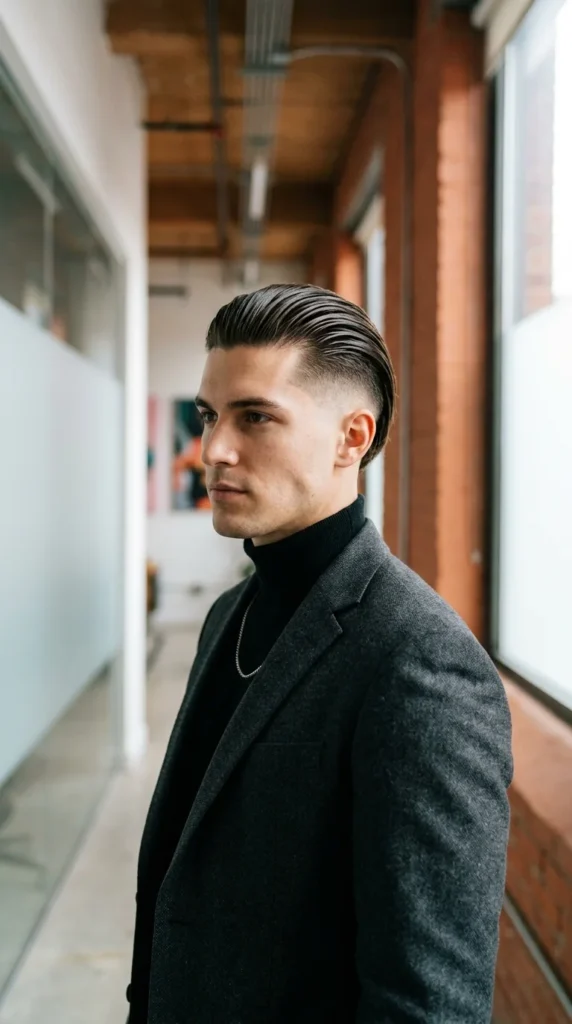
For a look that screams “mafia boss” or “Hollywood star,” the slicked back fade is unbeatable. The hair on top is kept long and swept back with pomade, while the sides are faded short. This eliminates the “bulging” sides that can occur with traditional slick-backs.
24. Side Part Fade
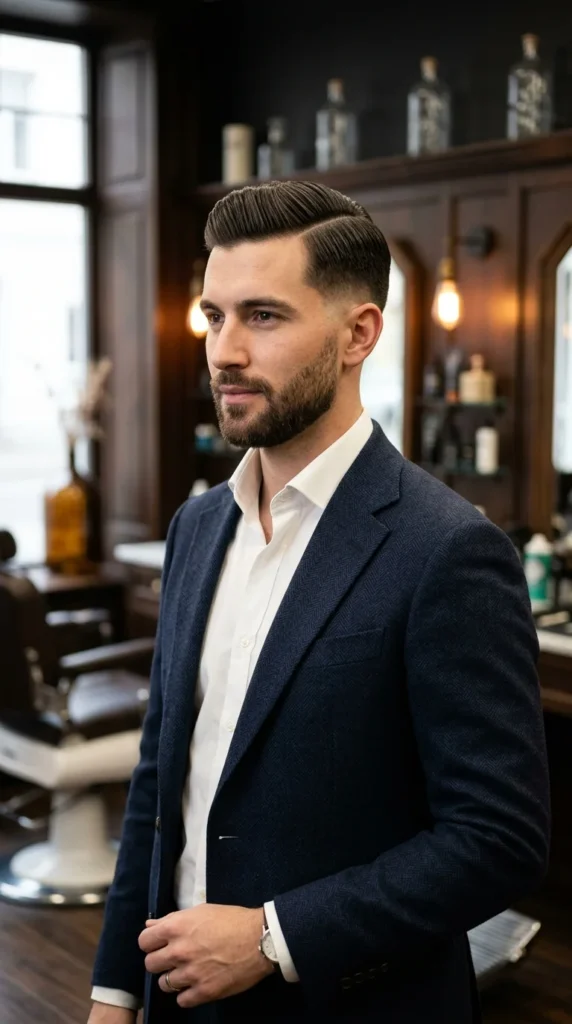
This is the ultimate “gentleman’s cut.” The side part fade is more structured than the comb over and often features a more gradual taper. It is the perfect haircut for weddings, formal events, and high-level corporate environments.
25. Faux Hawk Fade
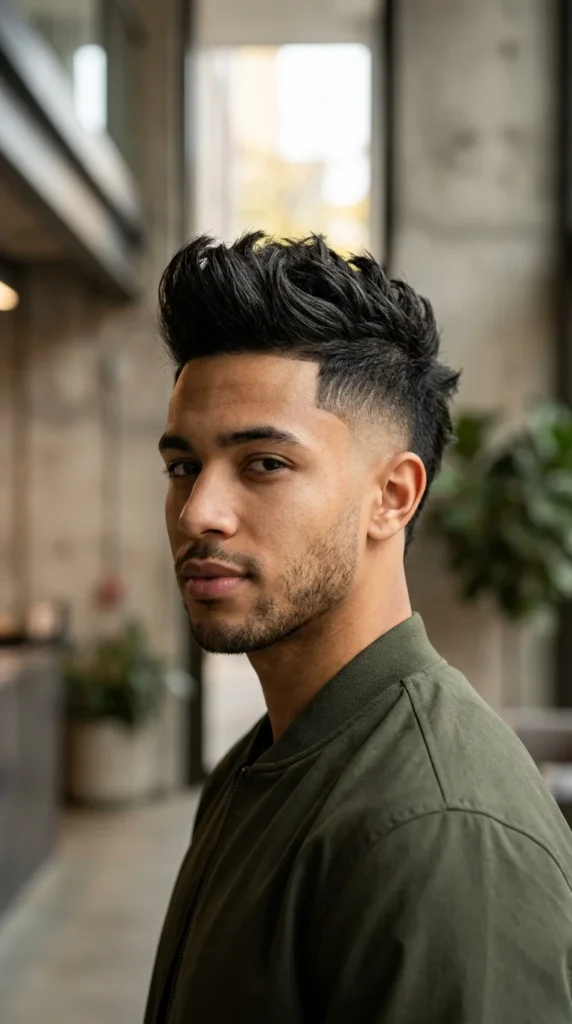
The faux hawk (or “fohawk”) offers the edge of a mohawk without the commitment of shaving the entire head. By using a fade on the sides, the central peak is highlighted. It’s a playful, energetic style that works well for younger men and creative professionals.
26. Undercut Fade
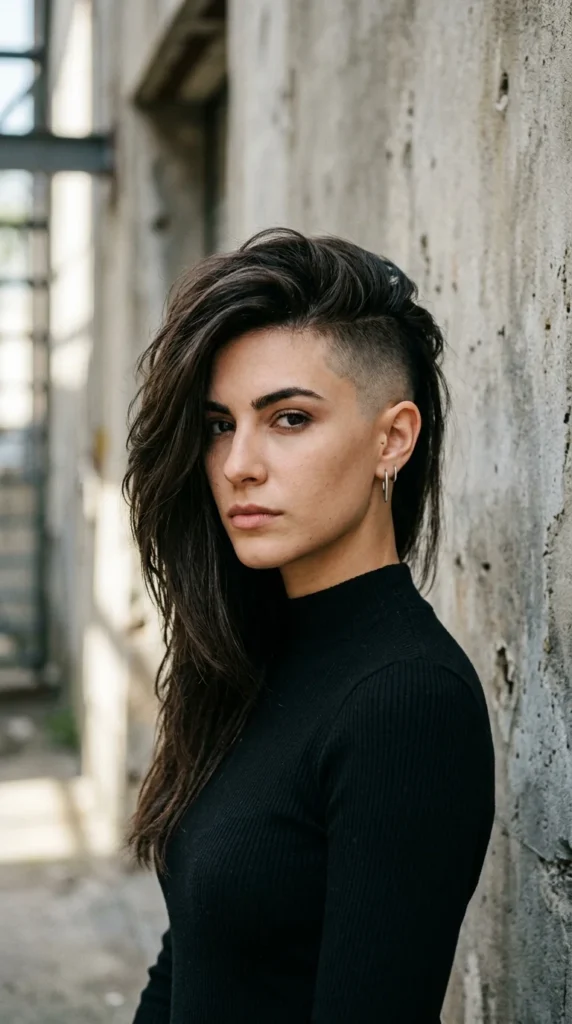
The undercut fade combines two of the most popular men’s styles. Unlike a traditional fade which blends, the undercut fade often features a more “disconnected” transition where the long hair on top sits over the buzzed sides, though it is still tapered down towards the bottom.
27. Man Bun Fade
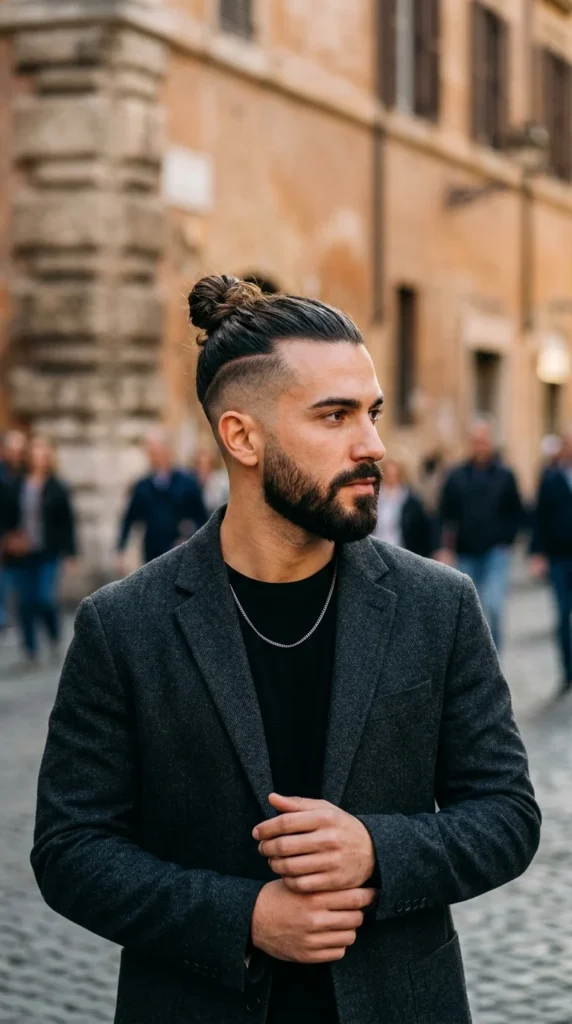
The man bun fade (or “top knot fade”) solves the problem of “awkward growth” phases. By keeping the sides faded, the man bun looks intentional and tidy. It’s a great way to manage long hair while staying cool in warmer climates.
28. Surgical Line Fade
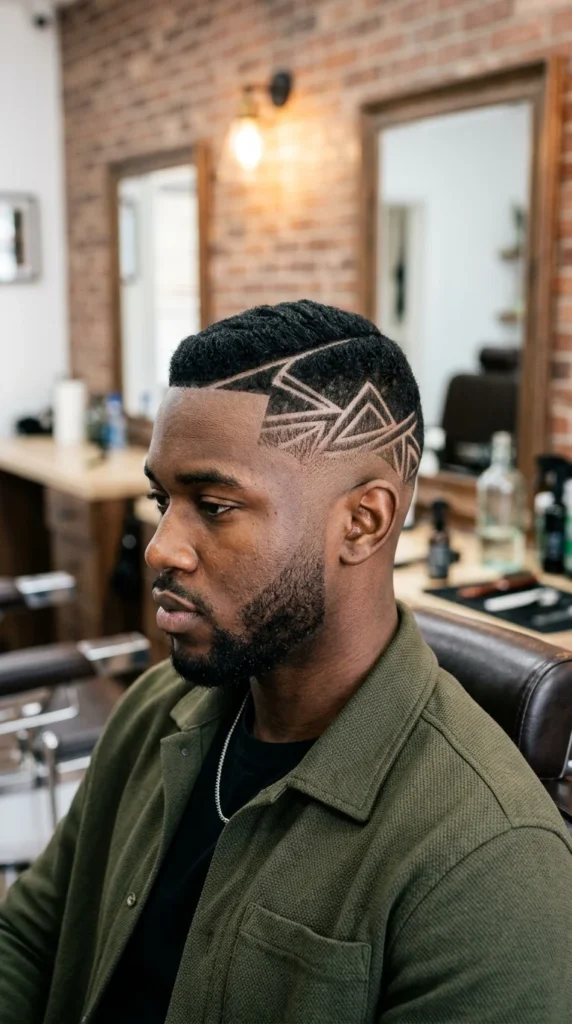
For the man who wants to treat his hair like a canvas, the surgical line fade incorporates “hair tattoos” or designs. These can be simple parallel lines, lightning bolts, or complex geometric shapes. It is the ultimate expression of personal style.
How to Choose the Right Fade for Your Face Shape
Selecting the right fade isn’t just about what looks good on a celebrity; it’s about what complements your unique features.
- Round Faces: Opt for a high fade with volume on top (like a quiff or pompadour). This adds height and elongates the face, making it appear slimmer.
- Square Faces: You can handle almost any fade. A mid-fade with a classic side part or a textured crop works beautifully to highlight a strong jawline.
- Oval Faces: Most fades work well, but be careful with extremely high fades that might make the face look too long. A mid-fade or a low taper is usually the sweet spot.
- Heart/Triangular Faces: A low fade or a scissor fade helps add some perceived width to the lower half of the head, balancing out a wider forehead or a narrower chin.
Maintenance and Styling Tips
To keep your fade looking sharp, you must be prepared for regular upkeep.
- Visit the Barber Frequently: A skin fade can start to lose its “crispness” in as little as 10 days. For most fades, a touch-up every 2 to 3 weeks is recommended.
- Use the Right Products: For textured looks, use a matte clay or wax. For slicked looks, opt for a high-shine pomade. If you have curls, a leave-in conditioner or curl cream is essential.
- Invest in a Scalp Care: Since a fade exposes more of your scalp, ensure you are using a good shampoo to prevent dandruff, which is much more visible on short hair.
- Protect from the Sun: If you have a skin or bald fade, don’t forget to apply sunscreen to your head if you’re going to be outdoors for extended periods to avoid painful scalp burns.