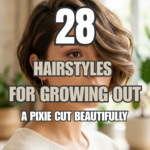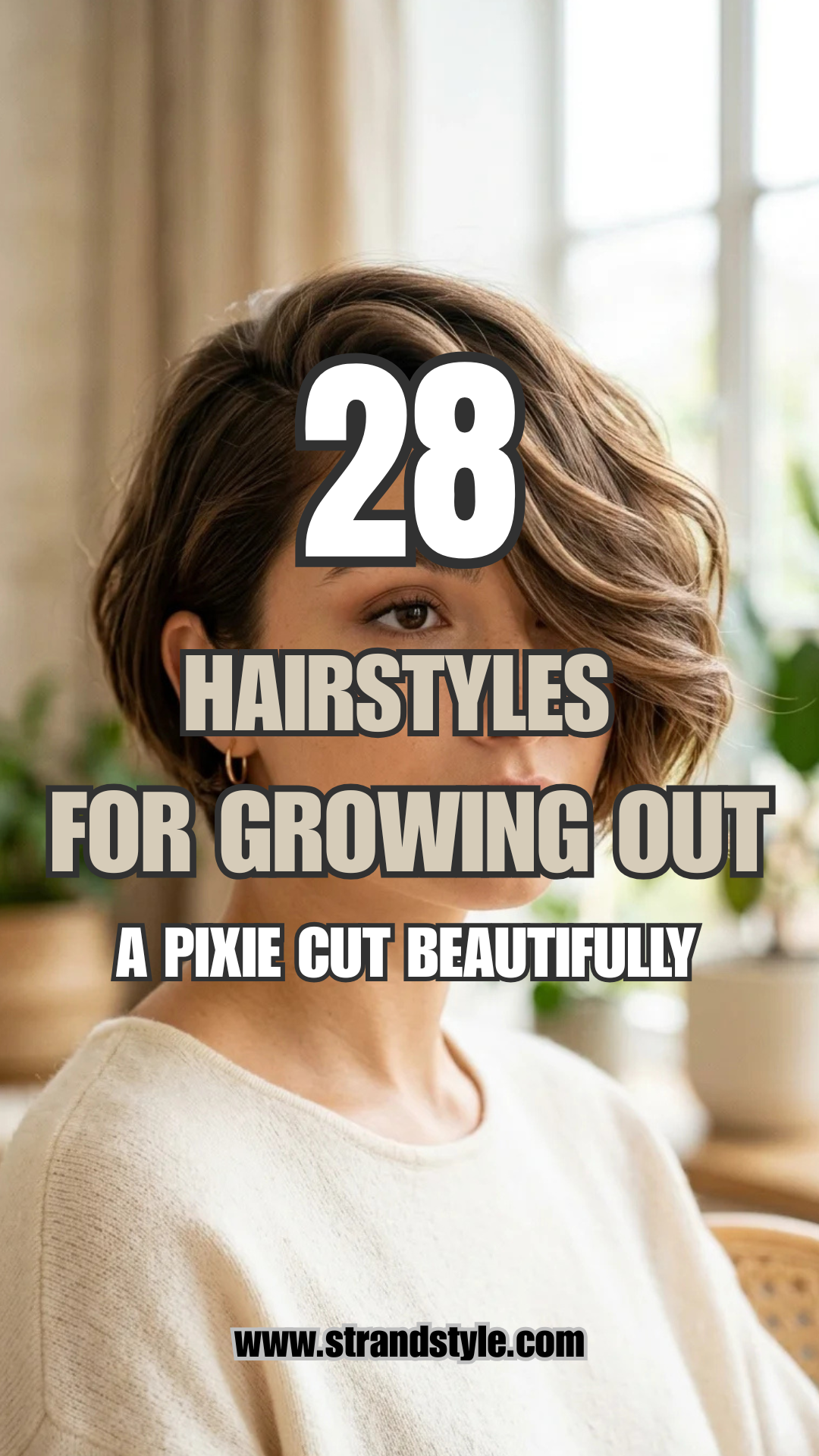
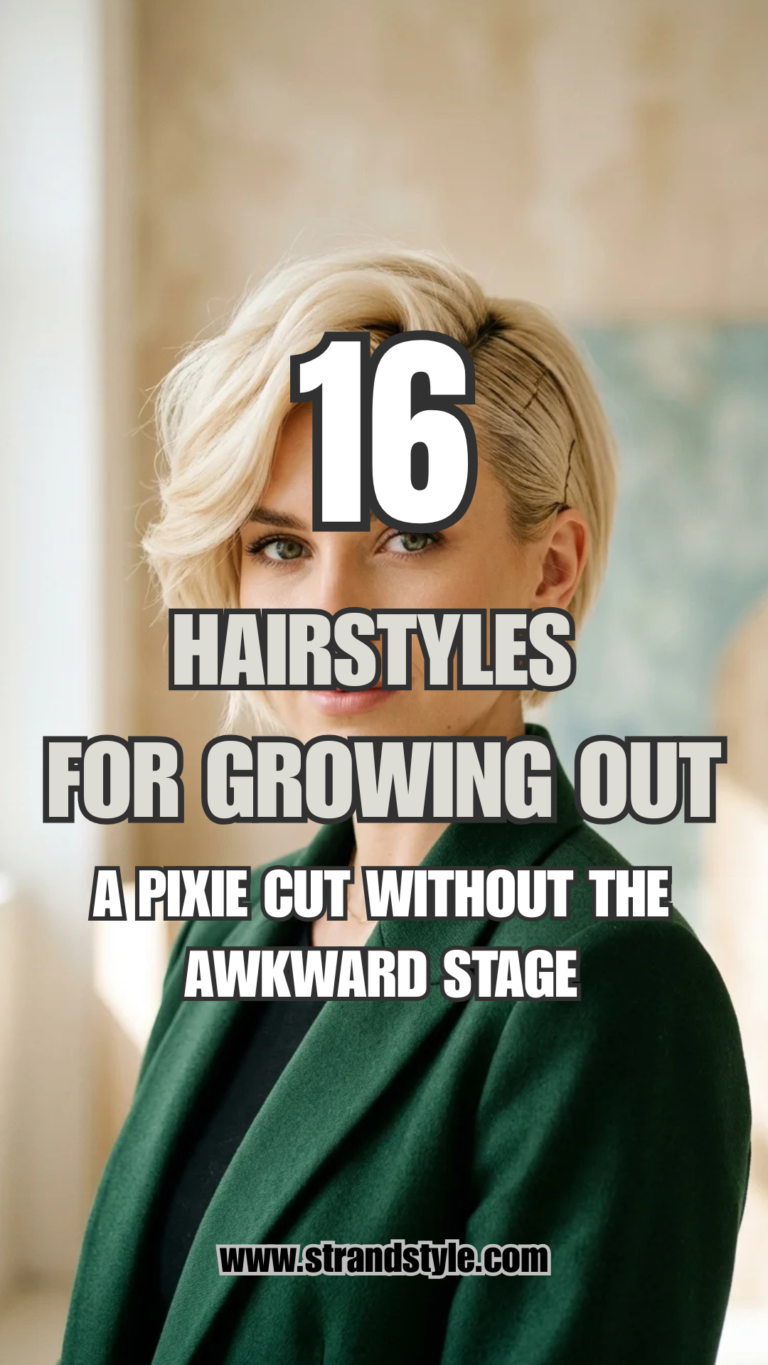
The journey from a tight pixie cut to a flowing bob or shoulder-length mane is often whispered about in salons as the “dreaded grow-out.” We’ve all seen it: that middle-ground phase where the back is too long, the top is too short, and your hair seems to have a mind of its own. However, the transition doesn’t have to be a period of hiding under beanies and baseball caps.
By strategically choosing styles that embrace your current length while prepping for the next, you can turn the “awkward stage” into a series of intentional, high-fashion moments. From the trendy “bixie” to the art of the hidden pin, here are 16 hairstyles to help you grow out your pixie cut with grace and style.
1. Tapered Nape
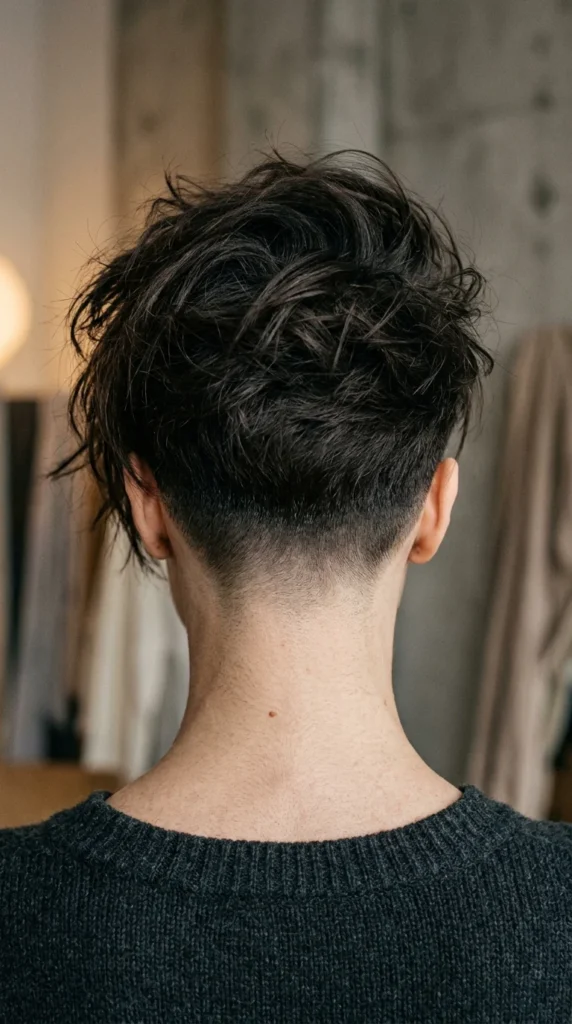
The most common reason a pixie grow-out looks awkward is the “mullet effect”—where the hair at the nape of the neck grows faster and longer than the hair on the crown. To combat this, keep your stylist on speed dial for regular neck trims. By keeping the nape tapered and short while allowing the top and sides to gain length, you maintain a deliberate, polished silhouette that looks like a deliberate style rather than an unfinished haircut.
2. Textured Pixie

As your hair gains a few inches, it can start to look flat or heavy. Use texture to your advantage. By adding choppy layers and using a lightweight clay or sea salt spray, you create movement that hides uneven lengths. The goal is to make the hair look intentionally “undone.” This style works beautifully for those with natural waves or straight hair that needs a little boost.
3. Side-Swept Bangs
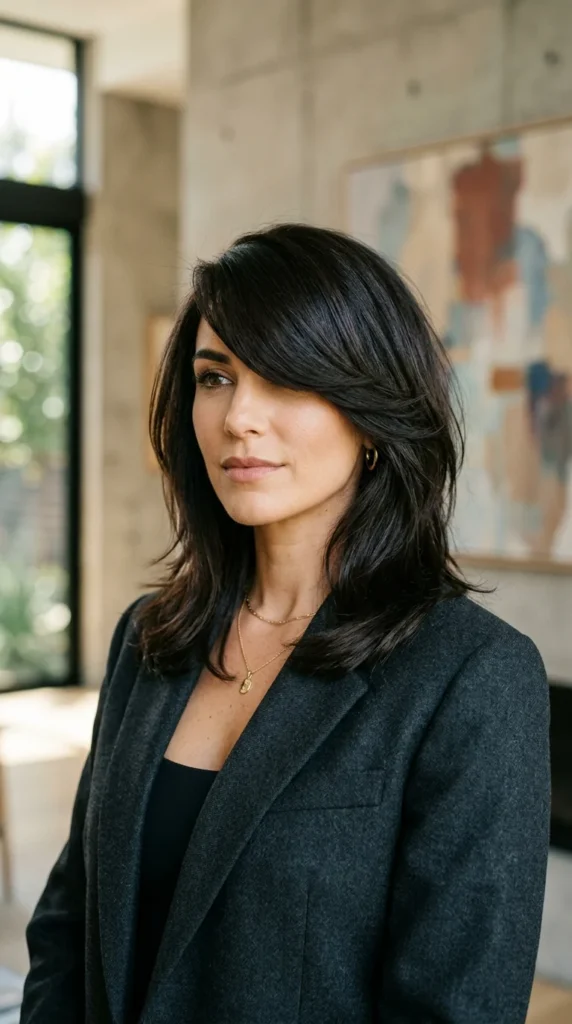
When the top of your pixie reaches that irritating length where it falls into your eyes but isn’t long enough to tuck behind your ears, the side-swept look is your best friend. Use a round brush to blow-dry your fringe to one side, creating a sleek, sophisticated line. This draws attention to your eyes and cheekbones, masking the fact that the rest of your hair is in a state of flux.
4. The Bixie
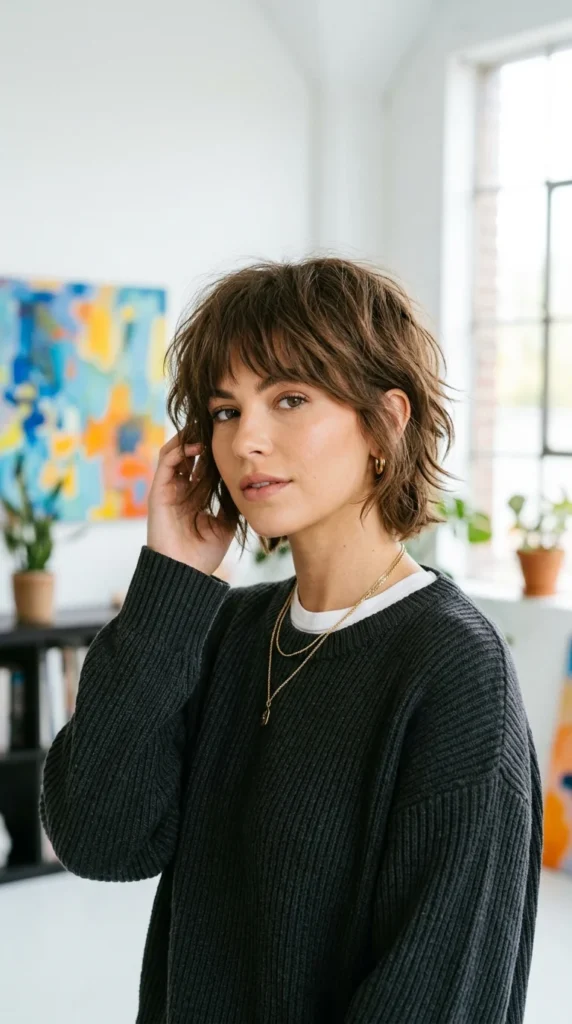
The “Bixie” is the ultimate transition cut. It combines the shagginess of a pixie with the perimeter of a bob. It’s shorter than a bob but longer than a typical pixie, featuring lots of internal layers to remove bulk. This style is incredibly trendy right now and is the perfect “goal” for the three-to-five-month mark of your hair growth journey.
5. Braided Accents
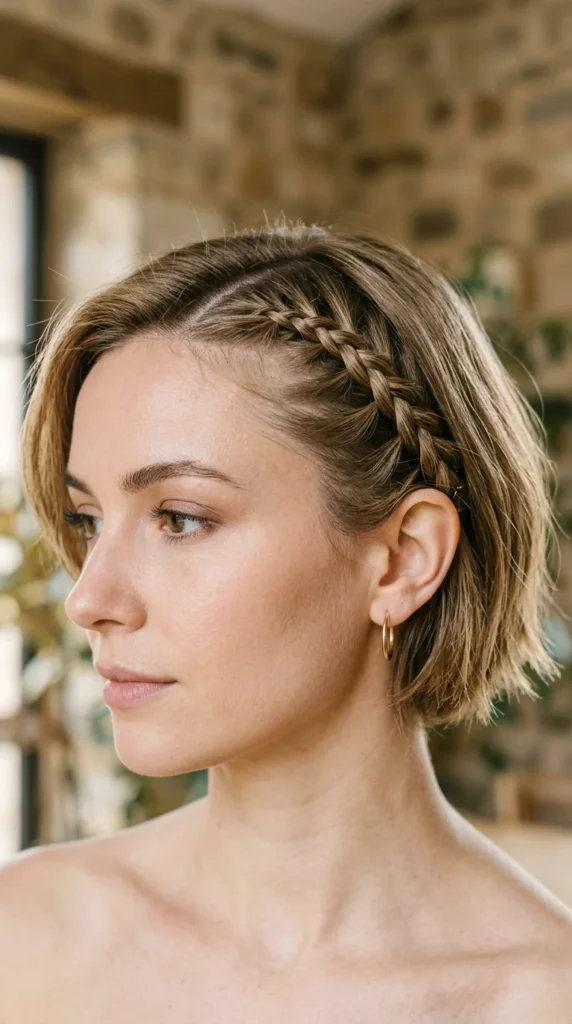
Length isn’t always necessary for braids. When your front sections get long enough, a tiny accent braid can keep hair out of your face and add a touch of femininity. Whether it’s a simple three-strand braid or a tight French braid along the temple, this technique manages “flyaways” and makes it look like you put significant effort into your styling.
6. Slicked Back
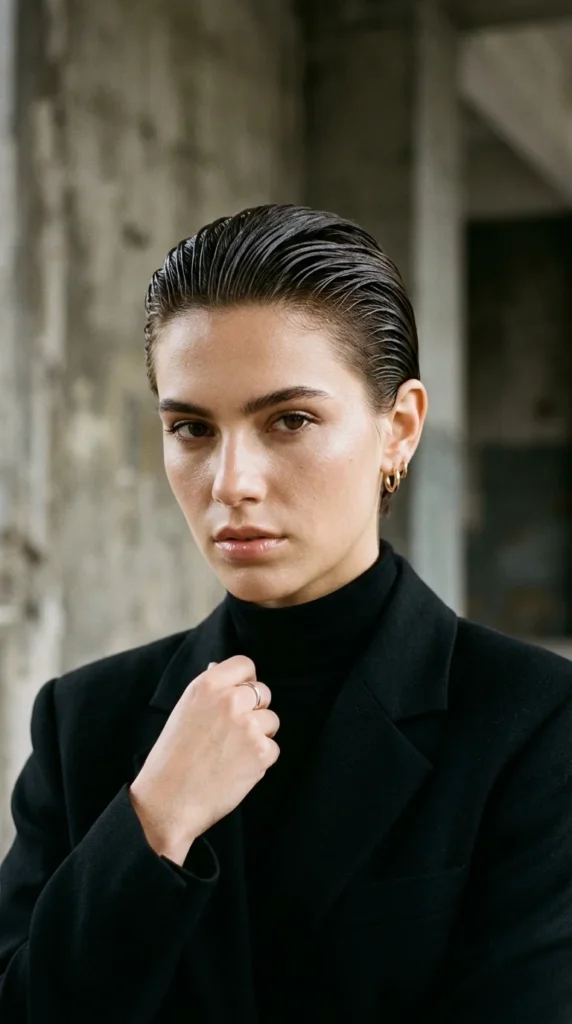
When you’re having a “bad hair day” during the grow-out, reach for the gel. A slicked-back look is modern, edgy, and hides almost every awkward layer. Simply apply a firm-hold gel or pomade to damp hair and comb it straight back. It’s a favorite on the red carpet for a reason—it’s polished and works on almost any length from two inches and up.
7. Headband Tuck

Accessories are the “secret weapon” of the pixie transition. A stylish headband doesn’t just add a pop of color to your outfit; it physically holds back the shorter, sprout-like layers that refuse to stay down. Padded headbands, silk scarves, and even jeweled bands can transform a messy grow-out into a chic, preppy look in seconds.
8. Modern Mullet
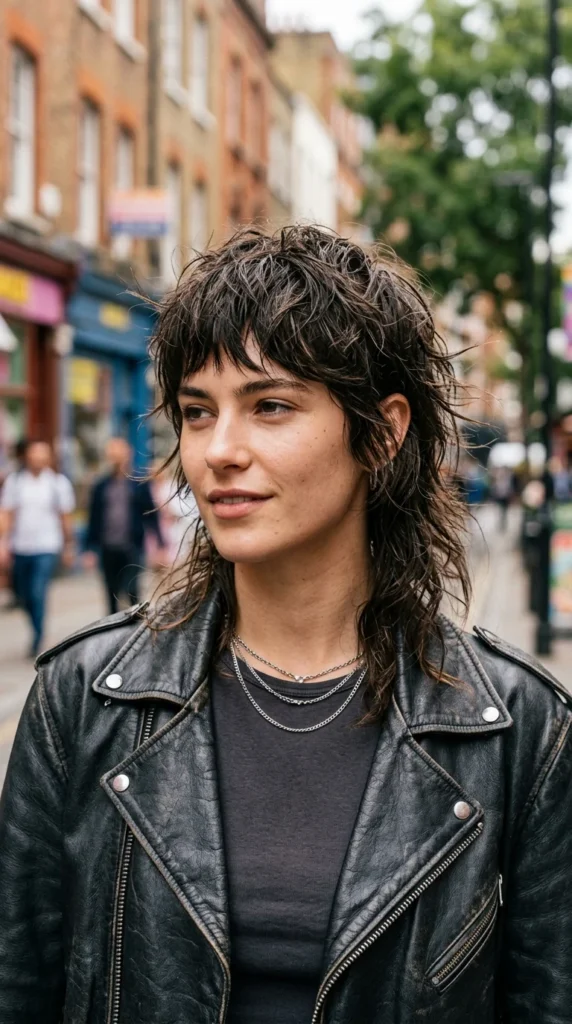
While we usually try to avoid the accidental mullet, the intentional modern mullet (often called the “shullet”) is very much in style. If you want to keep your length in the back, ask your stylist to lean into this look by adding shaggy, disconnected layers on top. It’s a rock-and-roll vibe that feels purposeful rather than accidental.
9. Deep Side Part
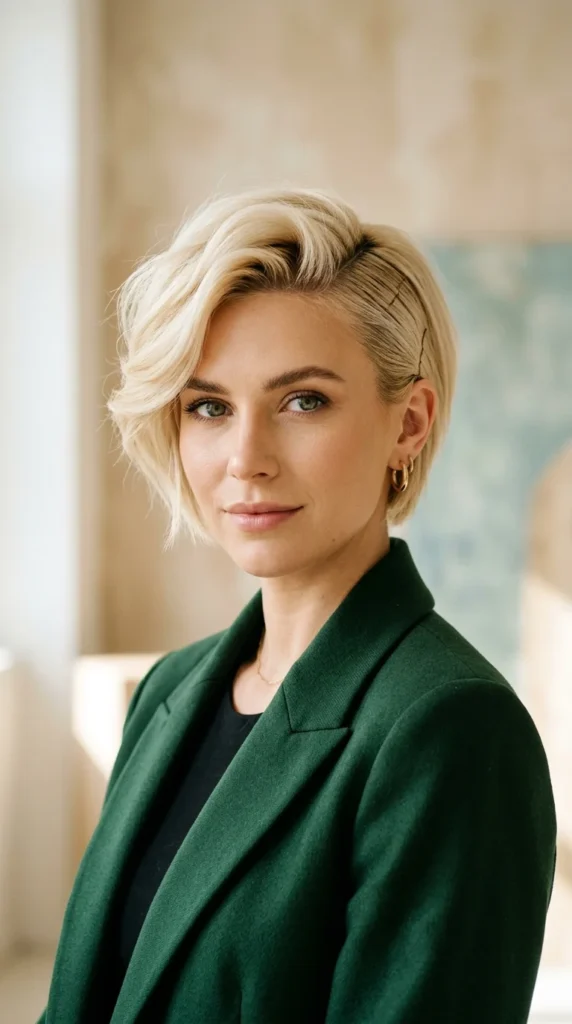
Changing your part can completely alter the way your hair falls. A deep side part creates the illusion of more volume and length on one side, which can help balance out patches that are growing slower than others. Use a bit of volumizing mousse at the roots to keep the “heavy” side from falling flat against your forehead.
10. Micro Bob
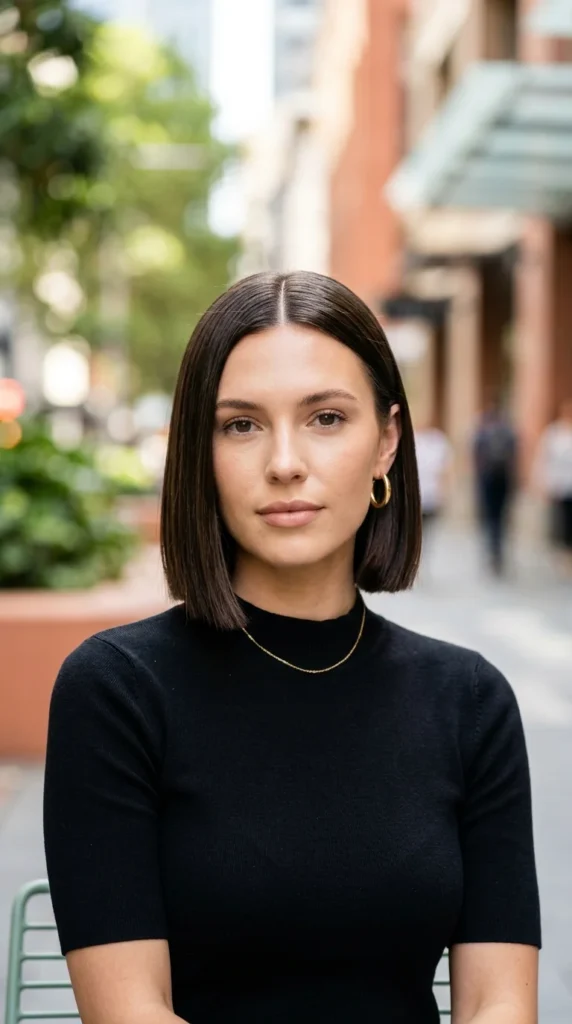
Once your hair reaches the bottom of your ears, you can finally transition into the “Micro Bob.” This is a major milestone! To get here, you’ll need to trim the back even with the sides. It’s a bold, French-inspired look that feels incredibly chic and puts an official end to the “short pixie” phase.
11. Half-Up Top Knot
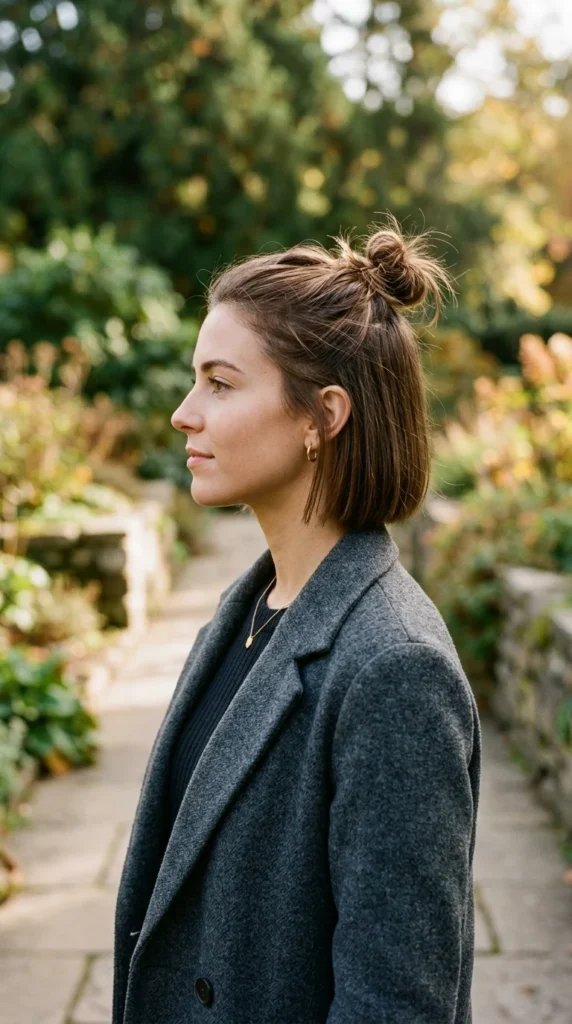
As soon as the top of your hair is long enough to reach a hair tie, the half-up top knot becomes your daily driver. This style is perfect for hiding the fact that the bottom layers might still be quite short compared to the top. It keeps the hair out of your face and works perfectly for casual outings or gym sessions.
12. Soft Shag

If you prefer a more bohemian aesthetic, the soft shag is a great way to let your pixie grow. Instead of trying to get everything to one length, your stylist adds many different lengths of layers. This camouflages the transition and allows the hair to grow into a beautiful, layered mid-length style without ever needing a “big chop” to even things out.
13. Finger Waves
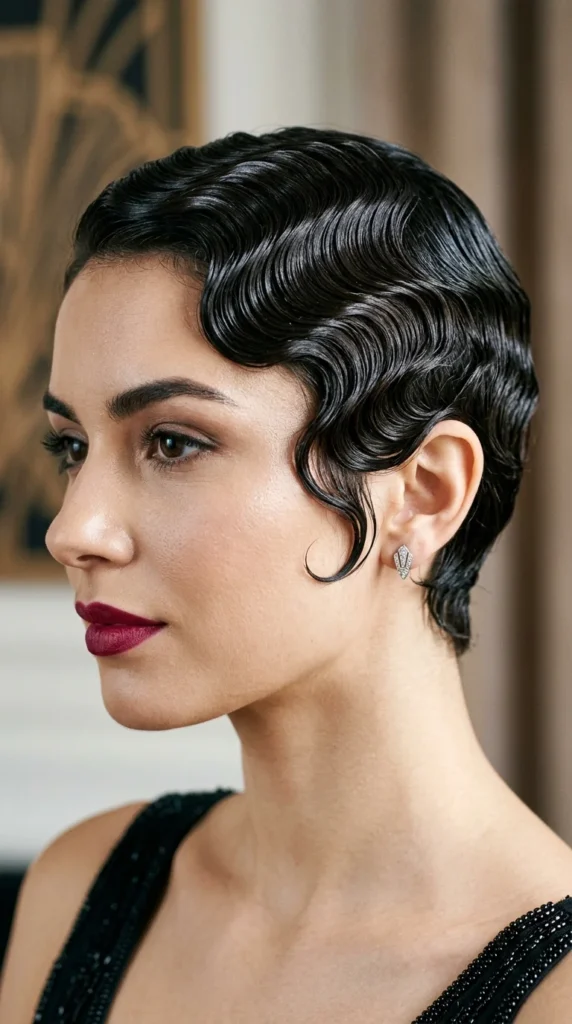
For formal events, finger waves are the ultimate solution for short hair. This vintage technique uses strong-hold gel and a comb to create “S” shapes against the scalp. It works perfectly on hair that is only a few inches long, providing an elegant and sophisticated look that makes short hair feel incredibly special.
14. Decorative Bobby Pins
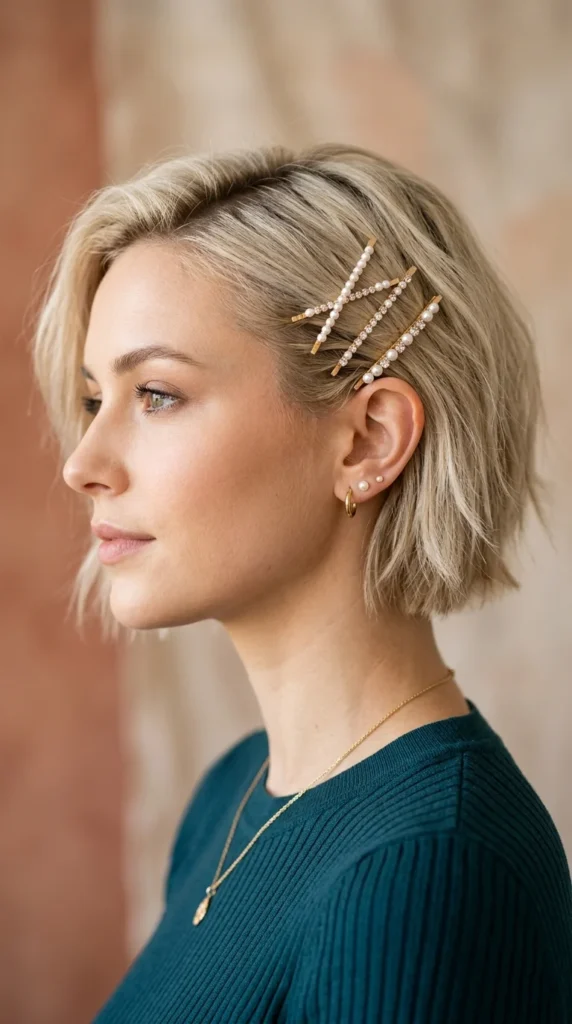
Sometimes, you just need to pin it back. But instead of hiding your bobby pins, make them the star of the show. Using three or four decorative pins to sweep back the side of your hair creates an intentional, accessorized look. This is especially helpful for those “in-between” bits around the ears that aren’t quite long enough to stay back on their own.
15. The French Bob

The French bob is a slightly longer, more relaxed version of the micro bob. It usually features bangs and hits right at the jawline. This is a “safe harbor” in the grow-out process because it’s a classic, stand-alone style that looks great for months as it slowly transitions into a regular bob.
16. Asymmetrical Bob
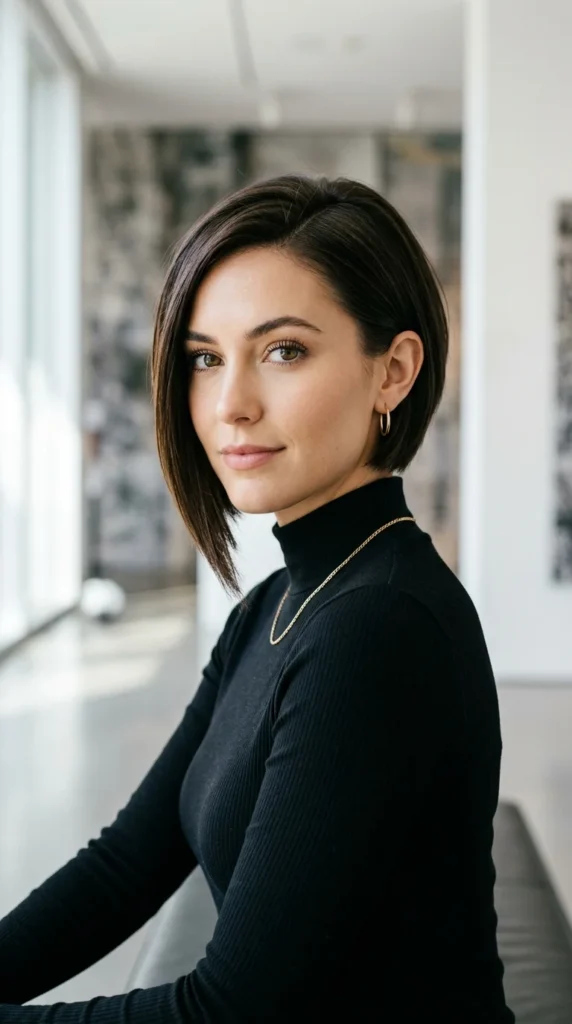
If one side of your pixie is growing faster, or if you just want to maintain an edgy look, go for an asymmetrical bob. By keeping one side shorter (closer to a pixie) and letting the other side grow long, you create a dynamic look that distracts from the overall length transition. It’s a bold choice that screams confidence.