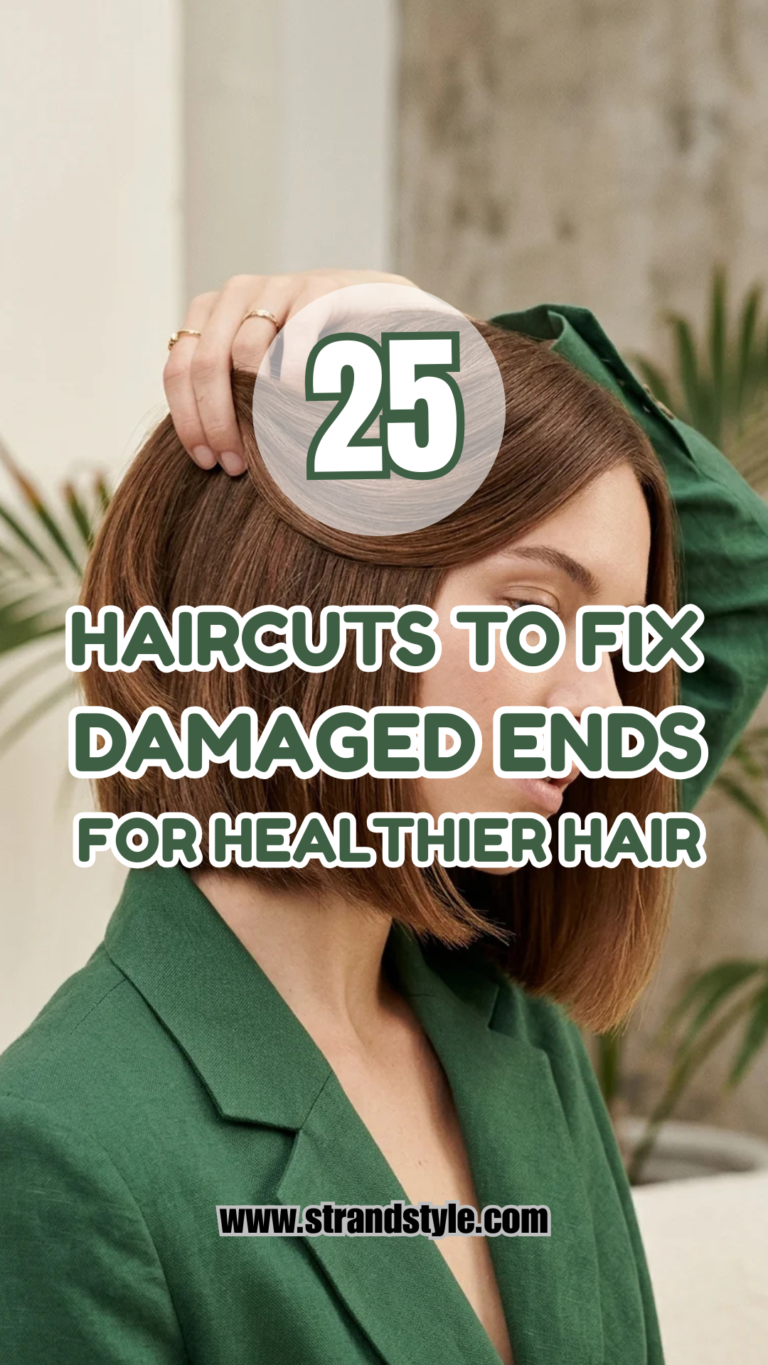
Damaged hair is more than just a cosmetic inconvenience; it’s a structural issue that can lead to thinning, frizz, and uncontrollable breakage. Whether your hair has suffered from excessive heat styling, chemical over-processing, or environmental stressors, there comes a point where even the most expensive masks and serums can no longer “glue” the split ends back together. The most effective, immediate solution for restoring vitality and shine is a strategic haircut. By removing the compromised fibers, you allow the healthy, stronger hair to take center stage.
Here are 25 haircuts designed to eliminate damaged ends and breathe new life into your hair.
1. Classic Bob
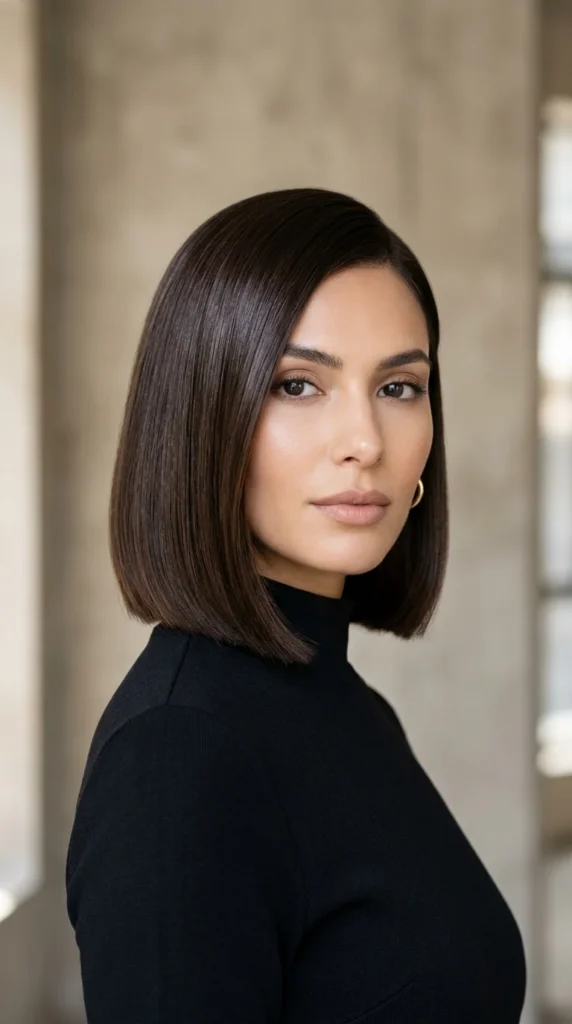
The classic bob is the gold standard for hair restoration. By cutting the hair to a uniform length around the jawline, you effectively remove the oldest and most damaged sections of your strands. This cut creates an immediate illusion of thickness and health, as the “weight” of the hair is concentrated at the ends rather than being thinned out by breakage.
2. Blunt Lob
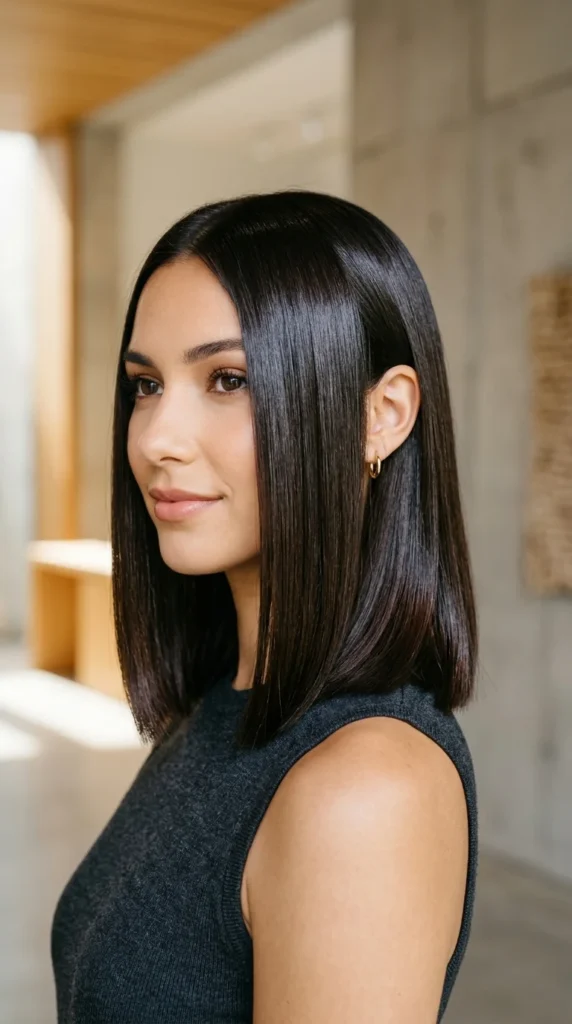
If you aren’t ready to commit to a short bob, the “Lob” (long bob) is the perfect middle ground. The blunt finish is essential here; by avoiding layers, you ensure that every strand is cut to a healthy point. This style is particularly effective for those with fine hair that has become “see-through” at the bottom due to damage.
3. Shaggy Layers

For those who want to keep their length but need to get rid of damage scattered throughout different levels of the hair, a shag is ideal. The multi-dimensional layers allow the stylist to “carve out” damaged sections without sacrificing the overall silhouette of the style.
4. Pixie Cut

The ultimate “reset button.” A pixie cut removes nearly all previously treated or damaged hair, allowing you to start completely fresh with virgin hair growth. It is the boldest choice for those whose hair is severely compromised by bleach or heat.
5. Butterfly Cut
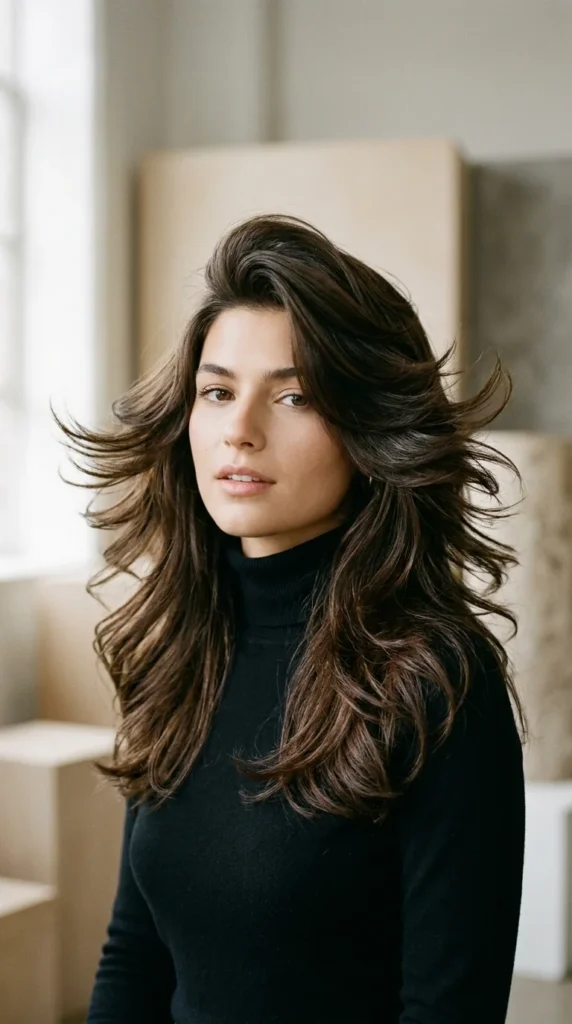
The butterfly cut uses heavy face-framing and shorter crown layers to remove damage from the top layers of the hair—where sun and heat damage are often most prevalent—while maintaining the appearance of a long mane.
6. French Bob

The French bob is shorter than the classic bob, usually hitting right at the mouth or cheekbone. This is excellent for removing damage from the entire perimeter of the hair and focuses on a healthy, “undone” texture that requires minimal heat styling.
7. Internal Layering
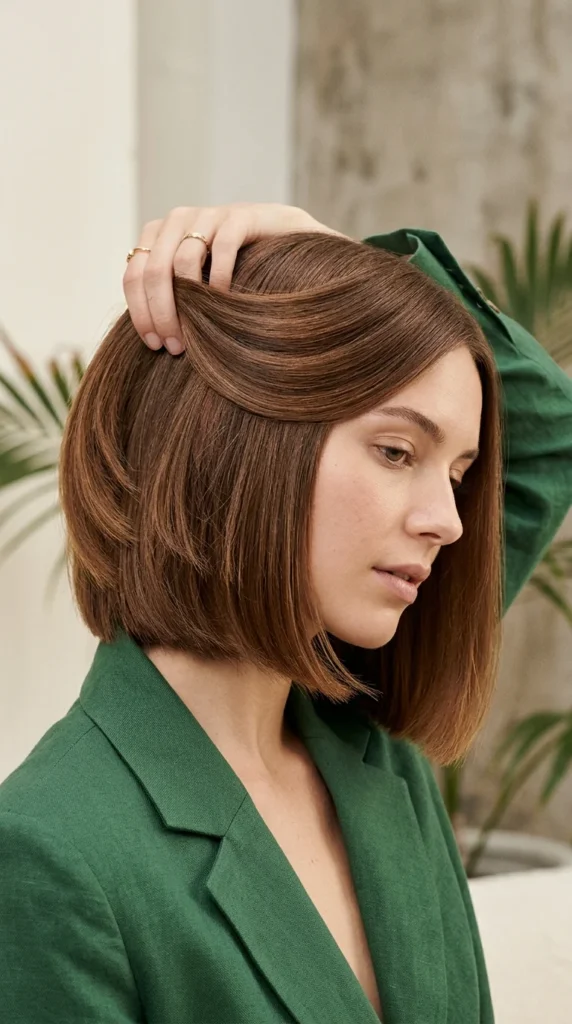
Sometimes damage isn’t visible on the surface. Internal layering involves cutting shorter pieces underneath the top canopy of hair. This removes the weight of damaged ends without changing the overall look of a one-length style.
8. Curtain Bangs

Damage often congregates around the face due to daily styling and tucking hair behind ears. Adding curtain bangs allows you to snip away the “fringe” of damage around the face while keeping the rest of your length intact.
9. Inverted Bob
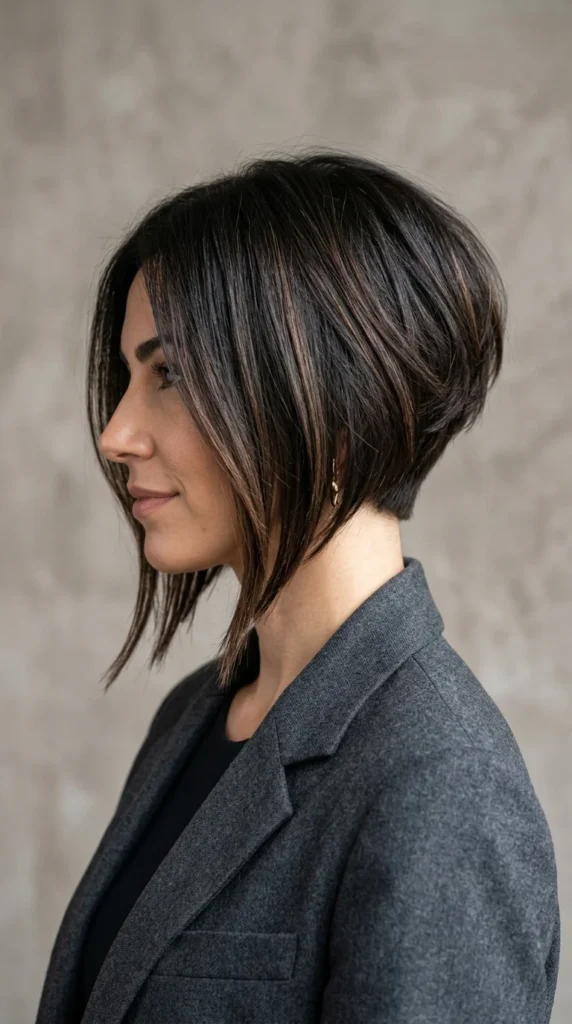
The inverted bob is perfect for people who have more damage in the back (often from friction against clothing) but want to maintain a longer look around the face. The stacked back creates an automatic lift and removes the most brittle ends.
10. Wolf Cut

The wolf cut is a trendy way to deal with breakage. Because the style is meant to look “wild” and textured, any remaining dry ends blend into the aesthetic, while the heavy layering removes a significant amount of dead weight.
11. Tapered Pixie

By tapering the hair closely at the neck, you remove the hair that is most prone to knotting and matting. The longer top section allows for some styling versatility while ensuring all the “crunchy” ends are gone.
12. V-Cut
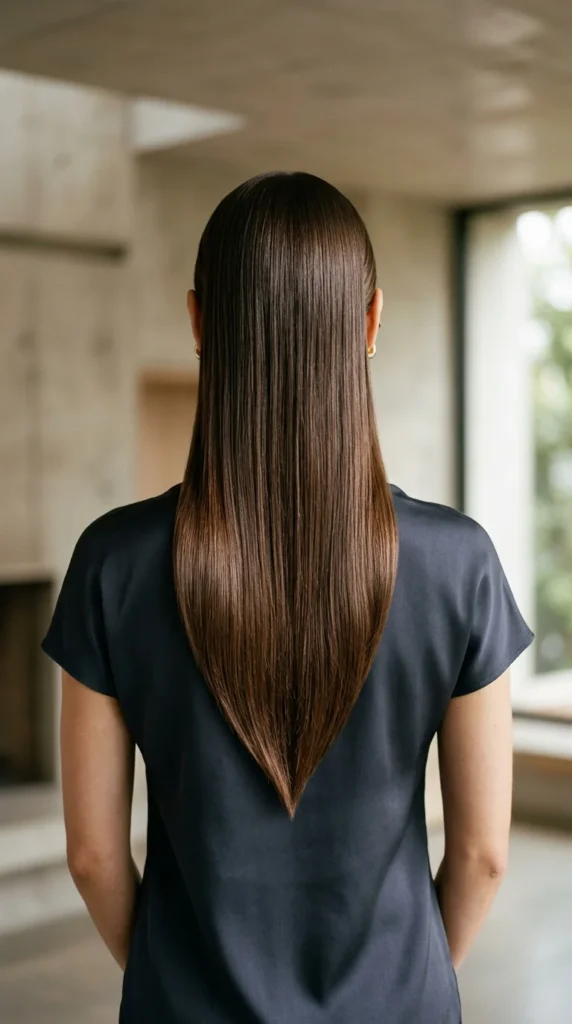
A V-cut is designed to remove more length from the sides than the center. This is highly effective if your damage is primarily concentrated on the “front” pieces that frame your face, which are often the most fragile.
13. U-Cut
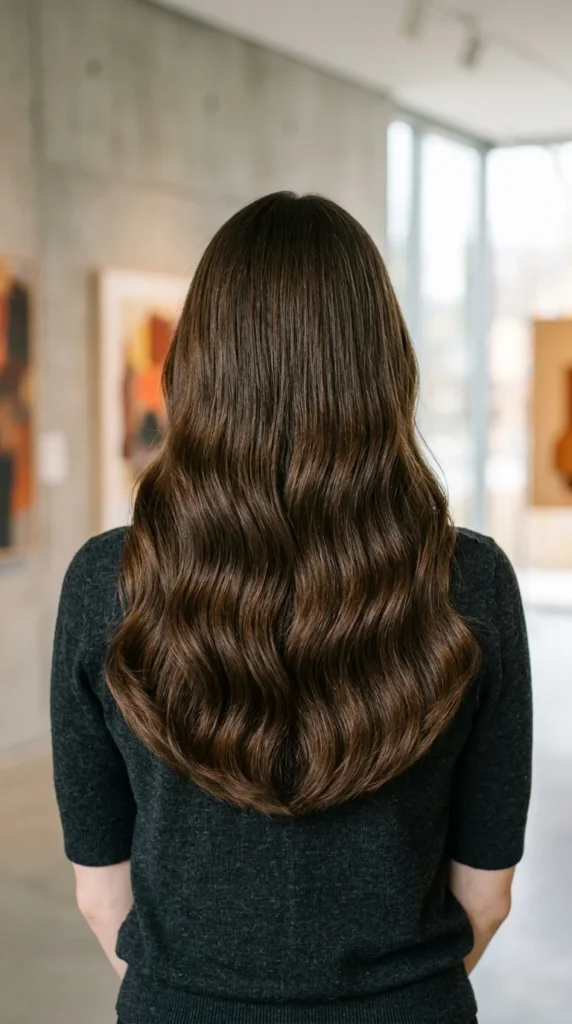
Similar to the V-cut but more subtle, the U-cut removes the “scraggly” corners of the hair. It provides a more natural flow and ensures the ends look thick and healthy from every angle.
14. Micro Bob
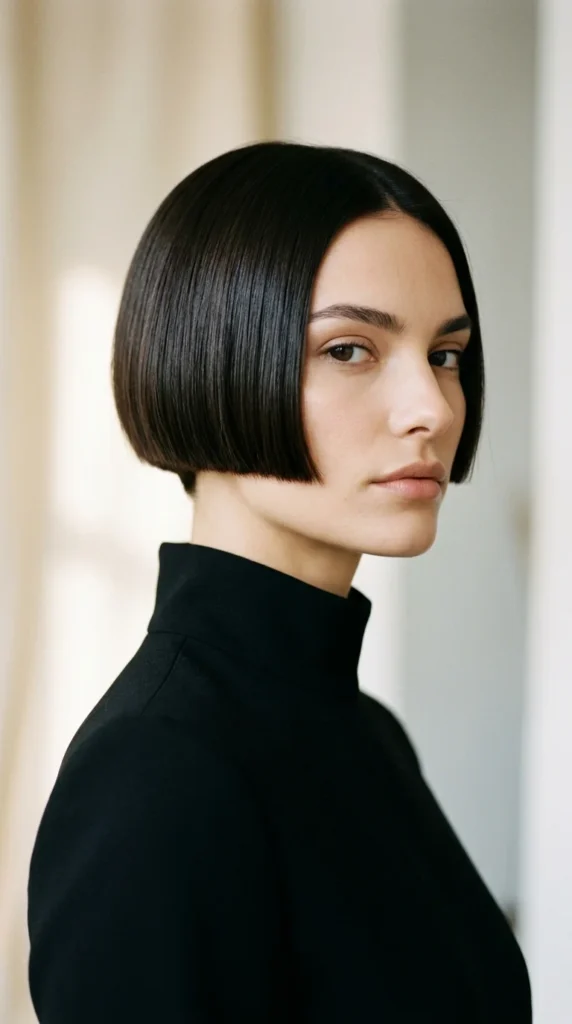
The micro bob is a power move for hair health. It removes years of growth, ensuring that every single strand on your head is relatively new and therefore much healthier and more resilient.
15. Choppy Midi

The choppy midi is perfect for someone who wants an “edgy” look while getting rid of split ends. The textured ends mean the stylist can be aggressive with removing damage without the cut looking too “perfect” or stiff.
16. Bixie Cut

The Bixie offers the best of both worlds. It provides the shorn-down health of a pixie but keeps enough length to tuck behind the ears. It’s a fantastic transitional cut for anyone recovering from chemical damage.
17. Feathered Ends

If you have thick hair that is damaged, a blunt cut can feel too heavy. Feathering the ends removes the split parts while thinning out the bulk, making the hair easier to manage and less likely to tangle and break further.
18. Asymmetrical Bob
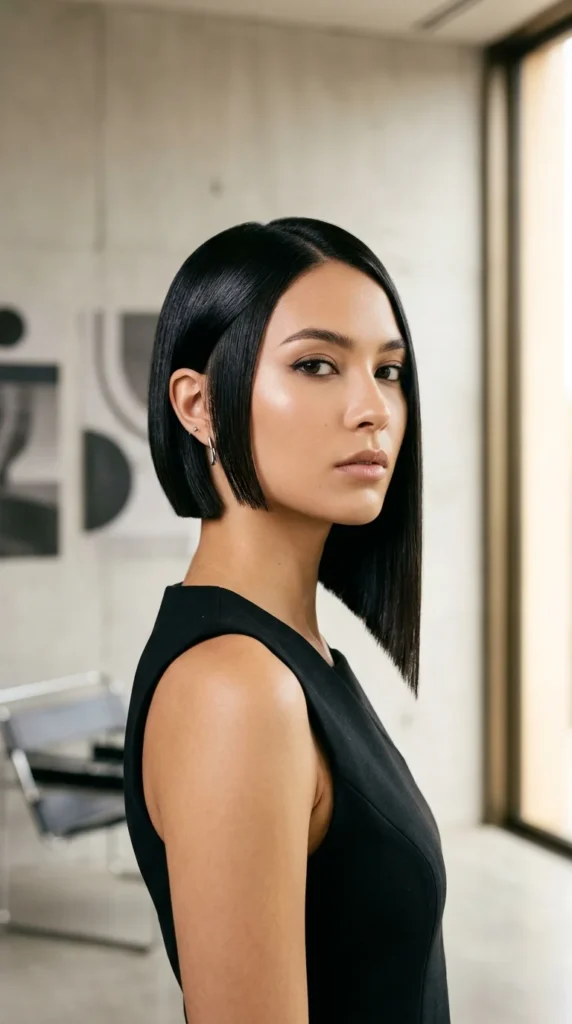
If your damage is uneven—perhaps you sleep on one side or use a curling iron more heavily on one side—the asymmetrical bob allows you to cut away more hair where it’s needed most without sacrificing style.
19. The “Dusting” Trim
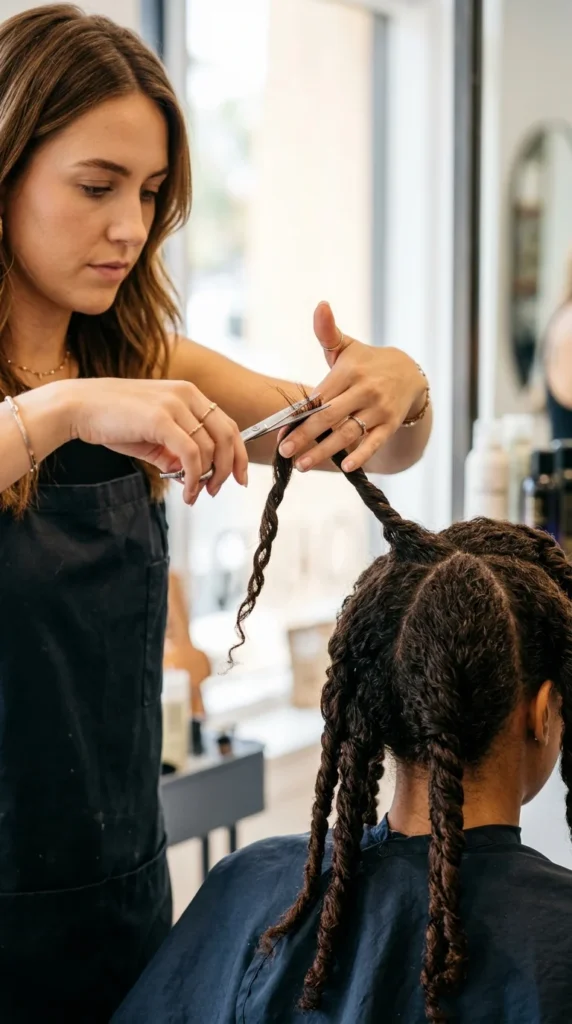
For those who are terrified of losing length, “dusting” is a technique rather than a shape. The stylist twists small sections of hair and snips off only the split ends that pop out. It preserves 99% of the length while removing the “frizz” caused by breakage.
20. Bottleneck Bangs

These bangs are great for targeting damage in the “fringe” area. They are less commitment than full bangs but do a great job of removing heat-damaged hair from the center of the forehead.
21. Razor Cut Shag

Using a razor allows the stylist to create very soft, seamless transitions. This is excellent for blending away areas where hair has snapped off at different lengths, making the “damage” look like an intentional part of the style.
22. A-Line Cut

The A-line cut provides a sleek, professional look. It focuses on removing the most damaged hair at the nape of the neck while providing the wearer with the comfort of longer strands in the front.
23. Shoulder-Grazing Blunt Cut

When hair hits the shoulders, it often flips out and develops split ends from friction. A blunt cut at this specific length refreshes the ends and creates a strong “base” for the hair to grow past the shoulders more healthily.
24. Rounded Layers

Rounded layers are perfect for curly or wavy hair. They remove the “pyramid” shape that happens when ends are damaged and dry, allowing curls to spring back to life and hold their shape better.
25. The Buzz Cut

For the ultimate hair transformation, the buzz cut removes every single inch of processed, dyed, or heat-damaged hair. It is the purest way to start over and is often described as a liberating experience for those who have struggled with hair health for years.